Unlock the Secrets to Baby Carrying: Discover Techniques, Must-Have Products, and Safety Tips!
Author : Helen Winnie | Published On : 21 Apr 2026
Unlock the Secrets to Baby Carrying: Discover Techniques, Must-Have Products, and Safety Tips!
Baby carrying is more than just a practical way to transport your little one; it's a meaningful practice that fosters bonding and convenience in daily life. Whether you're navigating crowded spaces, enjoying a nature walk, or simply trying to soothe a fussy baby, carrying your child offers a range of benefits for both you and your baby. In this article, we will explore various methods of baby carrying, from traditional wraps to modern carriers, highlighting their unique advantages and how they can enhance the caregiver's experience. We'll also delve into essential products that can make baby carrying easier and safer, along with key safety tips to ensure a secure and enjoyable experience for both you and your little one.
Understanding Baby Carrying
Baby carrying refers to the act of holding and transporting your child close to your body using various methods and devices. This practice has been embraced across cultures for centuries and is known for its numerous benefits. For babies, being carried promotes feelings of security and comfort, mimicking the closeness they experienced in the womb. Studies have shown that babies who are carried often cry less and develop stronger emotional connections with their caregivers. From a caregiver's perspective, baby carrying can free up hands for multitasking, reduce physical strain from carrying infants, and enhance bonding through skin-to-skin contact. Additionally, it can help with breastfeeding in public and provide a soothing environment for the baby, making it a win-win for both parties. With the right techniques and products, baby carrying can be a joyful and enriching experience.
Techniques for Baby Carrying
There are several techniques for baby carrying, each with its own advantages and considerations. Choosing the right method depends on your comfort level, the age of your baby, and the situation at hand. Here are some popular techniques:
Front Carrying
Front carrying is one of the most common methods, especially for newborns and younger babies. To carry your baby in front, use a structured carrier, wrap, or sling. Ensure that the baby's head is supported and their body is snug against yours. Maintain good posture by standing tall and keeping the weight balanced on your hips. This method allows for eye contact and interaction, which can be comforting for both you and your baby. It's important to adjust the carrier properly to avoid strain on your back or shoulders.
Hip Carrying
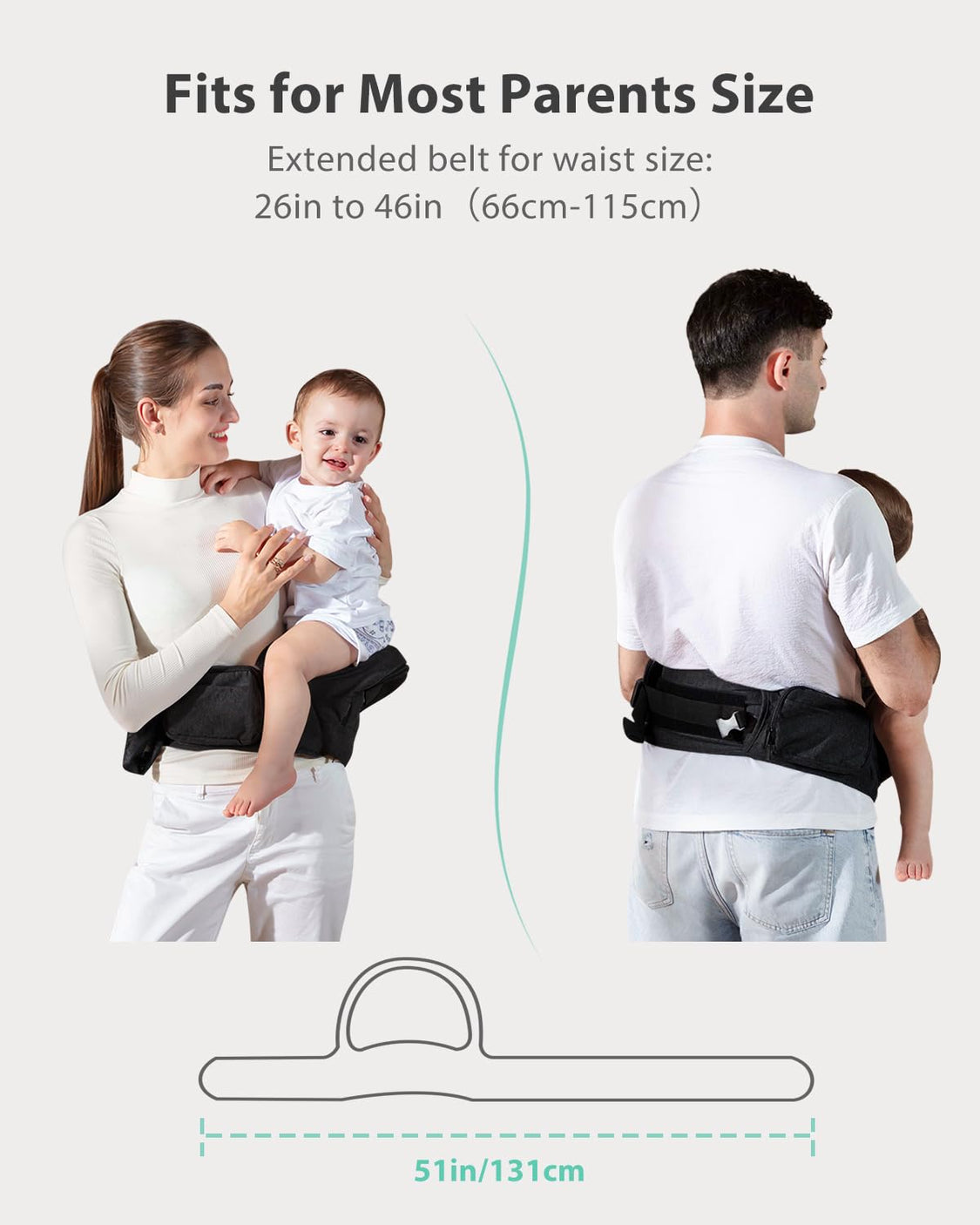
Hip carrying becomes a favorable option as babies grow and develop better head and neck control. This technique involves placing the baby on your hip, supported by your arm while using a carrier designed for this position. Hip carrying allows for easy access to your baby while still enabling you to use your hands. It's ideal for quick outings and provides a comfortable position for the baby to observe the world around them. However, be mindful of your posture to avoid putting strain on your back.
Back Carrying
Back carrying is a fantastic option for older babies and toddlers who can sit up independently. This technique allows for greater freedom of movement while keeping your child safe and secure. To safely back carry, ensure that your baby is securely positioned in a carrier designed for this method. It's essential to practice this technique with a spotter or in front of a mirror until you feel confident. Always check your child's comfort and positioning, and be aware of their movements to prevent any accidents.
Must-Have Products for Baby Carrying
When it comes to baby carrying, the right products can make a significant difference in your experience. Essential items include baby carriers, wraps, and slings, each offering unique benefits. Baby carriers are structured and provide excellent support for both the caregiver and the baby. Wraps are versatile fabric pieces that can be tied in various ways, allowing for customization based on your comfort and preference. Slings are typically one-shoulder carriers that offer quick access to your baby. It's important to choose a product that fits well, is easy to use, and is suitable for your baby's age and weight. Investing in quality carrying products can lead to enjoyable and safe carrying experiences.
Safety Tips for Baby Carrying
Ensuring the safety of your baby while carrying is paramount. Here are some important guidelines to follow: Always ensure that your baby's airways are clear and that they are positioned in a way that supports their head and neck. Check that the carrier is securely fastened and that there is no risk of your baby slipping or falling. Be mindful of your own posture to prevent strain on your back and shoulders, and avoid carrying your baby in crowded or unsafe environments where you may be bumped. Regularly inspect your carrier for wear and tear and follow the manufacturer's guidelines for use. Taking these precautions will help create a safe and enjoyable carrying experience for both you and your baby.
Embracing the Benefits of Baby Carrying
In conclusion, baby carrying is a valuable practice that offers emotional and practical benefits for both the caregiver and the child. With various techniques such as front, hip, and back carrying, you can choose the method that works best for your situation and your baby's developmental stage. Equipping yourself with quality products and adhering to safety guidelines will enhance your carrying experience, ensuring comfort and security. Embrace the joys of baby carrying, and enjoy the special bond it creates as you navigate the world together with your little one.
