Unlock the Secrets of Oriental Rugs: Discover Their Timeless Beauty and Perfect Selection Tips!
Author : Heidi Johnson | Published On : 24 Jul 2026
Unlock the Secrets of Oriental Rugs: Discover Their Timeless Beauty and Perfect Selection Tips!
Oriental rugs have long been celebrated for their intricate designs, vibrant colors, and the rich history they carry. These stunning pieces are not just floor coverings; they are works of art that can transform a space and reflect a deep cultural heritage. Across various cultures, oriental rugs have held significance, often representing not only craftsmanship but also the stories and traditions of the people who create them. This article aims to delve into the fascinating history of oriental rugs, explore the different types available, and provide insightful tips for selecting the perfect rug for your home.
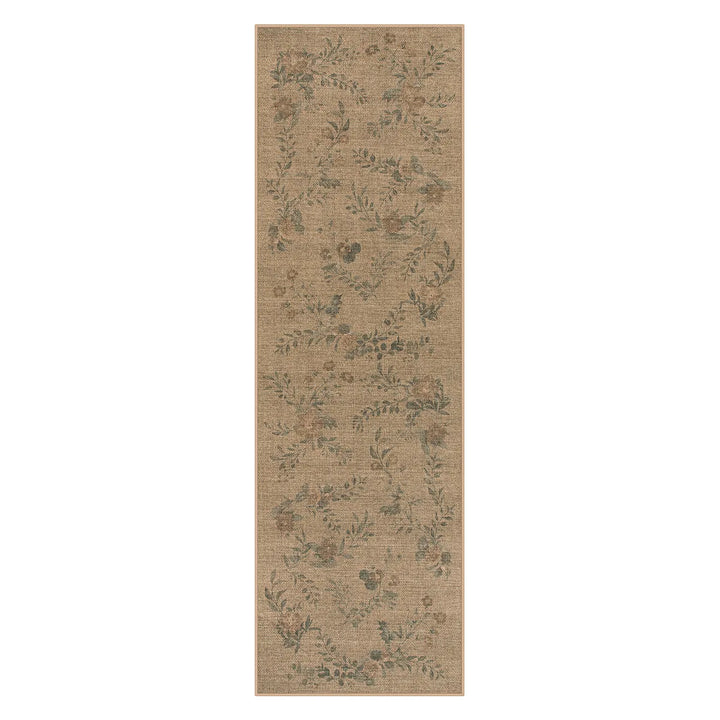
The Rich History of Oriental Rugs
The origins of oriental rugs can be traced back thousands of years, with archaeological evidence suggesting their existence as early as the 5th century BC. Initially crafted in regions such as Persia (modern-day Iran), Central Asia, and Turkey, these rugs were woven using techniques passed down through generations. They were originally used as functional items—covering floors, seating, and even as wall hangings—but over time, they evolved into symbols of status and cultural identity. The craftsmanship involved in creating these rugs is remarkable; artisans would spend months, sometimes years, hand-weaving intricate designs that often told stories or depicted significant cultural symbols. For instance, the famous Persian rugs often showcase floral motifs and medallions, representing the beauty of nature and the significance of life. As these rugs traveled along trade routes, they absorbed influences from various cultures, leading to a fusion of techniques and designs that we still appreciate today.
Types of Oriental Rugs
Oriental rugs come in a variety of types, each with its unique characteristics and charm. Persian rugs are perhaps the most recognized, known for their high-quality wool and intricate designs. They often feature elaborate patterns, rich colors, and are typically made in a specific region of Iran, such as Tabriz or Isfahan. Turkish rugs, on the other hand, are renowned for their bold colors and geometric patterns, often reflecting the nomadic lifestyle of their creators. Indian rugs, influenced by Persian designs, often showcase vibrant colors and designs that are suitable for both traditional and contemporary interiors. Each type of rug has its own story and artistry, making them not just decorative items but also conversation starters. A friend of mine recently decorated her living room with a stunning Turkish rug, and she often shares how it has become the centerpiece of her home, drawing admiration from guests.
How to Select the Perfect Oriental Rug
Choosing the right oriental rug for your space can be an exciting yet daunting task. Start by considering the size of the rug in relation to your room. A common mistake is choosing a rug that is too small; ideally, furniture should be placed on or around the rug to create a cohesive look. Next, think about the color palette of your existing decor. Oriental rugs come in a myriad of colors, so finding one that complements your space is crucial. Material is another important factor; while wool rugs are durable and soft, silk rugs offer a luxurious sheen but require more care. When assessing the quality of a rug, look for the knot count, which indicates the density and craftsmanship of the piece. Authentic oriental rugs often have a higher knot count, resulting in more detailed designs. Lastly, consider where you will place the rug; high-traffic areas may require more durable materials, while a bedroom might benefit from softer options. I remember when my neighbor was selecting a rug for her dining area, she spent hours comparing different styles and ultimately found a beautiful Persian rug that perfectly tied her whole room together.
Maintenance and Care Tips
Caring for your oriental rug is essential to ensure its longevity and beauty. Regular vacuuming is crucial to remove dirt and debris; however, avoid using a beater bar, as it can damage the fibers. When spills occur, blot the area immediately with a clean, dry cloth—never rub, as this can set the stain. Periodically, it's wise to have your rug professionally cleaned, especially if it is made of delicate materials like silk. Additionally, rotating your rug every six months can help prevent uneven fading from sunlight. Taking these steps will help preserve the craftsmanship and vibrancy of your oriental rug for years to come.
Enhancing Your Home with Oriental Rugs
Oriental rugs are not only a testament to exquisite craftsmanship but also a celebration of cultural heritage that can enhance any home. By understanding their rich history, the various types available, and the important factors in selecting the perfect rug, you can make informed choices that reflect your personal style and taste. Remember, an oriental rug is more than just a decor item; it is a piece of art that tells a story and brings warmth and beauty into your space.
