Unlock the Secret to Spotless Baby Bottles: Discover the Ultimate Sterilizer Guide!
Author : Emily Smith | Published On : 13 Apr 2026
Unlock the Secret to Spotless Baby Bottles: Discover the Ultimate Sterilizer Guide!
When it comes to caring for your newborn, ensuring the cleanliness of their feeding bottles is paramount. Parents often grapple with concerns about bottle hygiene and the potential risks of contamination. The reality is that infants, with their developing immune systems, are particularly vulnerable to infections. This makes sterilizing baby bottles not just a recommendation but a necessity. In this guide, we will delve into the various types of bottle sterilizers available on the market, examining their benefits, mechanisms, and best usage practices. By the end of this article, you will be well-equipped to choose the right sterilizer for your needs, ensuring that every feeding is as safe and hygienic as possible.
Understanding Bottle Sterilizers
A bottle sterilizer is a specialized device designed to eliminate harmful bacteria and other pathogens from baby bottles, nipples, and accessories. The fundamental principle of sterilization involves using heat, chemicals, or UV light to kill or deactivate microorganisms. This process is crucial because infants are more susceptible to infections due to their immature immune systems. Regular sterilization not only protects your baby from potential illnesses but also contributes to their overall health and well-being. It's not just about cleaning; it's about creating a safe feeding environment that gives parents peace of mind.
Types of Bottle Sterilizers
There are several types of bottle sterilizers, each with its unique mechanism of action and advantages. Understanding these options can help you choose the one that fits your lifestyle and preferences best. The main types include steam sterilizers, microwave sterilizers, UV sterilizers, and chemical sterilizers.
Steam Sterilizers
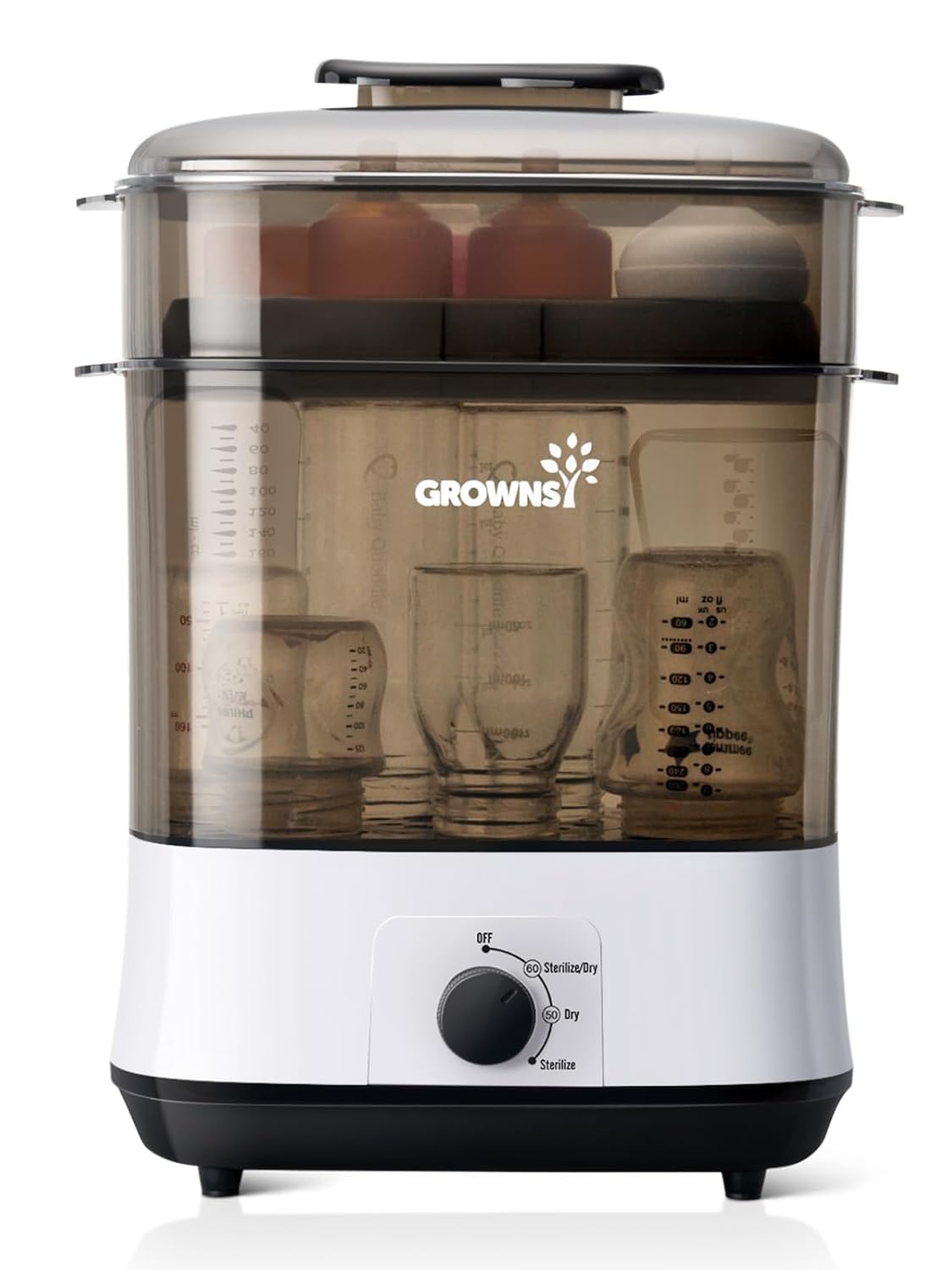
Steam sterilizers use high-temperature steam to kill bacteria and germs effectively. They work by boiling water to create steam, which then circulates inside the sterilizer, enveloping the bottles and accessories. The efficiency of steam sterilizers is one of their key advantages, as they can kill up to 99.9% of harmful pathogens. However, they require a power source and can take longer to complete a cycle compared to other methods. It's also essential to ensure that the bottles are positioned correctly to allow steam to circulate freely.
Microwave Sterilizers
Microwave sterilizers are designed to fit inside a microwave oven, utilizing steam generated from water to sterilize bottles quickly. This method is incredibly convenient, especially for parents on the go, as it can take as little as 5 minutes. However, one limitation is that not all bottles are microwave-safe, so it's crucial to check the manufacturer's guidelines. Additionally, improper placement in the microwave can lead to uneven sterilization.
UV Sterilizers
UV sterilizers use ultraviolet light to eliminate bacteria and viruses. The process involves placing the bottles in a chamber where UV light is emitted, effectively targeting and destroying microorganisms. The growing popularity of UV sterilizers can be attributed to their chemical-free operation and the fact that they don't require additional water or heat. However, they tend to be more expensive than other types of sterilizers and may take longer to complete a cycle.
Chemical Sterilizers
Chemical sterilizers involve immersing bottles in a solution containing sterilizing agents. These solutions work by killing germs through chemical reactions. While this method can be effective and is often the most portable option, there are safety concerns regarding the residues left behind. Parents need to carefully follow the instructions to ensure thorough rinsing, as any chemical residue can be harmful to infants.
Benefits of Using Bottle Sterilizers
The benefits of using bottle sterilizers extend beyond just cleanliness. First and foremost, they significantly reduce the risk of infections by ensuring that feeding items are free from harmful bacteria. For busy parents, sterilizers offer a convenient solution that saves time and effort. Regular sterilization contributes to a consistently healthy feeding environment, allowing parents to focus on what truly matters—bonding with their little ones. Friends of mine who are parents swear by their sterilizers, saying it brings them peace of mind during those hectic feeding times.
How to Use Bottle Sterilizers Effectively
Using a bottle sterilizer effectively requires following specific steps to ensure thorough sterilization. For steam sterilizers, fill the base with the recommended amount of water, load the bottles upside down, and select the appropriate cycle time. For microwave sterilizers, add water as instructed, position the bottles correctly, and run the microwave for the specified duration. UV sterilizers require placing the bottles in the chamber and initiating the cycle, ensuring the UV light can reach all surfaces. Chemical sterilizers necessitate diluting the solution as per guidelines and ensuring that the bottles are soaked for the recommended time before rinsing thoroughly. Regular maintenance of your sterilizer is also crucial; clean the components as recommended to ensure longevity and effectiveness.
Ensuring Optimal Bottle Hygiene for Your Baby
In summary, understanding the importance of sterilizing bottles and the various types of sterilizers available is essential for every parent. By choosing the right sterilizer, you can ensure that your baby's feeding items remain hygienic and safe. Prioritizing bottle hygiene is not just a task—it's a commitment to your baby's health and well-being. So, take the time to explore your options, and don't hesitate to invest in a sterilizer that meets your needs. Your little one deserves nothing less than the best.
