Unlock the Mystique: Discover the Timeless Allure of Oriental Rugs!
Author : Christopher Davis | Published On : 08 Apr 2026
Unlock the Mystique: Discover the Timeless Allure of Oriental Rugs!
Oriental rugs have long captivated the hearts and homes of individuals around the world. Their intricate designs and vibrant colors tell stories that span centuries and continents, making them not just decorative pieces, but also cultural artifacts. This article will delve into the enchanting world of oriental rugs, exploring their rich history, diverse types, the materials that bring them to life, and essential care instructions to ensure they remain cherished possessions for generations to come. Whether you are a seasoned collector or a curious newcomer, the allure of these rugs is undeniable.
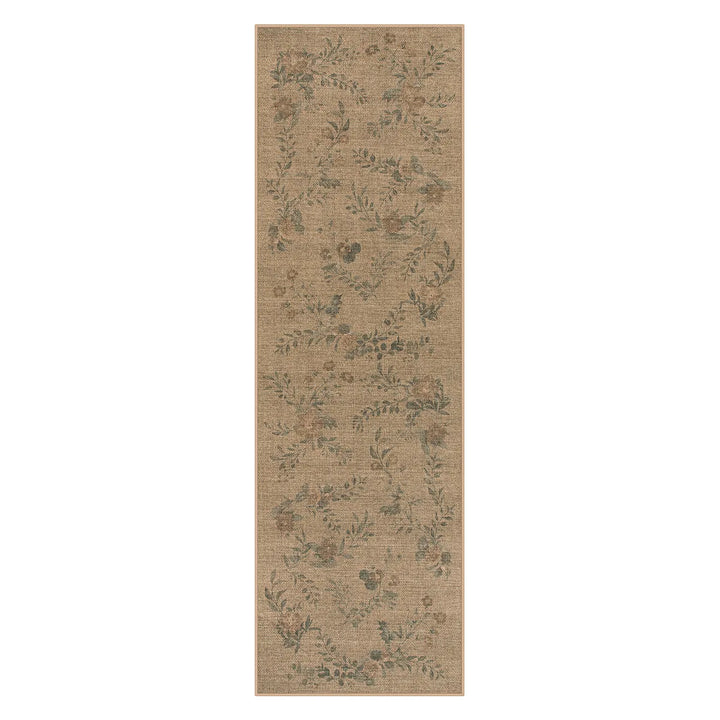
The Rich History of Oriental Rugs
The origins of oriental rugs can be traced back thousands of years, with evidence suggesting that the earliest rugs were woven in Central Asia around 2500 B.C. These early creations were utilitarian, serving as blankets and tents. As time progressed, various cultures, including the Persians, Turks, and Chinese, began to refine the art of rug making, transforming it into a highly respected craft. The Persian rug, for instance, became synonymous with luxury during the Safavid dynasty in the 16th century, showcasing intricate designs and vibrant colors that reflected the artistry of the time. Throughout history, these rugs have been traded along the Silk Road, influencing and being influenced by the cultures they encountered. Their evolution is marked by the blend of regional styles and techniques, making each piece a unique representation of its heritage.
Types of Oriental Rugs
Oriental rugs come in an array of styles, each with its unique characteristics and cultural significance. Persian rugs, known for their elaborate designs and rich symbolism, often feature floral motifs and medallions that have specific meanings in Persian culture. Turkish rugs, on the other hand, tend to showcase geometric patterns and vibrant colors, reflecting the nomadic heritage of their weavers. Tibetan rugs, distinguished by their thick pile and bold colors, often incorporate elements of Buddhism, making them not only decorative but also spiritual in nature. Each type of oriental rug tells a story, and their unique designs can evoke the history and traditions of their respective regions. A friend of mine recently acquired a beautiful Persian rug, and every time I visit, I am drawn to the intricate details that seem to whisper tales of ancient craftsmanship.
Materials Used in Oriental Rugs
The materials used in the creation of oriental rugs play a crucial role in their quality and durability. Wool is the most commonly used fiber, prized for its softness, resilience, and ability to retain dye, resulting in vibrant colors. Silk, though less common due to its higher cost, is often used in intricate areas of a rug to add a luxurious sheen and finer detail. Cotton serves as a sturdy foundation for many rugs, providing strength and support. The choice of material not only impacts the rug's aesthetic appeal but also its longevity; a well-maintained wool rug can last for generations, while silk rugs may require more delicate handling. A friend who inherited a silk rug from her grandmother often shares how she meticulously cares for it, ensuring it remains a family treasure.
Care and Maintenance of Oriental Rugs
Caring for oriental rugs is essential to preserving their beauty and longevity. Regular vacuuming is crucial to remove dirt and debris; however, it’s important to use a vacuum without a beater bar to avoid damaging the fibers. Spot cleaning spills immediately with a gentle cloth can prevent stains from setting in. For more thorough cleaning, professional cleaning services that specialize in oriental rugs are recommended, as they use techniques that protect the delicate fibers. When storing rugs, roll them rather than folding them to prevent creases, and keep them in a cool, dry place to avoid mold and mildew. I once learned the hard way about the importance of proper storage when a beautiful rug I inherited developed mildew after being improperly stored. Now, I make it a point to share these tips with friends who own oriental rugs.
Celebrating the Charm of Oriental Rugs
In summary, oriental rugs are more than just decorative items; they are rich in history, culture, and artistry. From their ancient origins to the diverse types and materials used in their creation, these rugs embody a timeless allure that continues to enchant. By understanding their significance and caring for them properly, we can appreciate these extraordinary pieces as they deserve. Whether adorning a living room or serving as a family heirloom, oriental rugs invite us to connect with the past while enhancing our present spaces.
