Unlock the Art of Japanese Dining: Discover the Allure of Exquisite Dinnerware Sets!
Author : Harold Roy | Published On : 08 Apr 2026
Unlock the Art of Japanese Dining: Discover the Allure of Exquisite Dinnerware Sets!
Japanese dining is more than just a meal; it is an experience steeped in tradition, aesthetics, and artistry. The dinnerware sets used in these culinary rituals play a crucial role, serving not only as functional items but also as reflections of cultural values and aesthetic principles. The beauty and craftsmanship behind Japanese dinnerware captivate many, as each piece tells a story of meticulous design and reverence for nature. From the gentle curves of a rice bowl to the intricate patterns on a serving plate, Japanese dinnerware invites diners into a world where every meal is a celebration. This article will delve into the features and uses of Japanese dinnerware sets, exploring their rich history, distinct characteristics, and the best ways to choose and care for them.
1. The History and Cultural Significance of Japanese Dinnerware
The origins of Japanese dinnerware can be traced back to ancient times when pottery began to emerge as a form of art and utility. Over the centuries, these pieces evolved significantly, influenced by various cultural exchanges, including trade with China and the introduction of Western styles. Japanese dinnerware is often characterized by its simplicity, elegance, and a deep connection to nature, which reflects the Japanese aesthetic principle of "wabi-sabi" - finding beauty in imperfection and transience. Dinnerware sets are not just about serving food; they embody the spirit of Japanese hospitality, known as "omotenashi," where every detail is carefully curated to enhance the dining experience. For instance, during a traditional tea ceremony, the choice of tea utensils is as crucial as the tea itself, showcasing the significance of each piece in Japanese culture.
2. Features of Japanese Dinnerware Sets
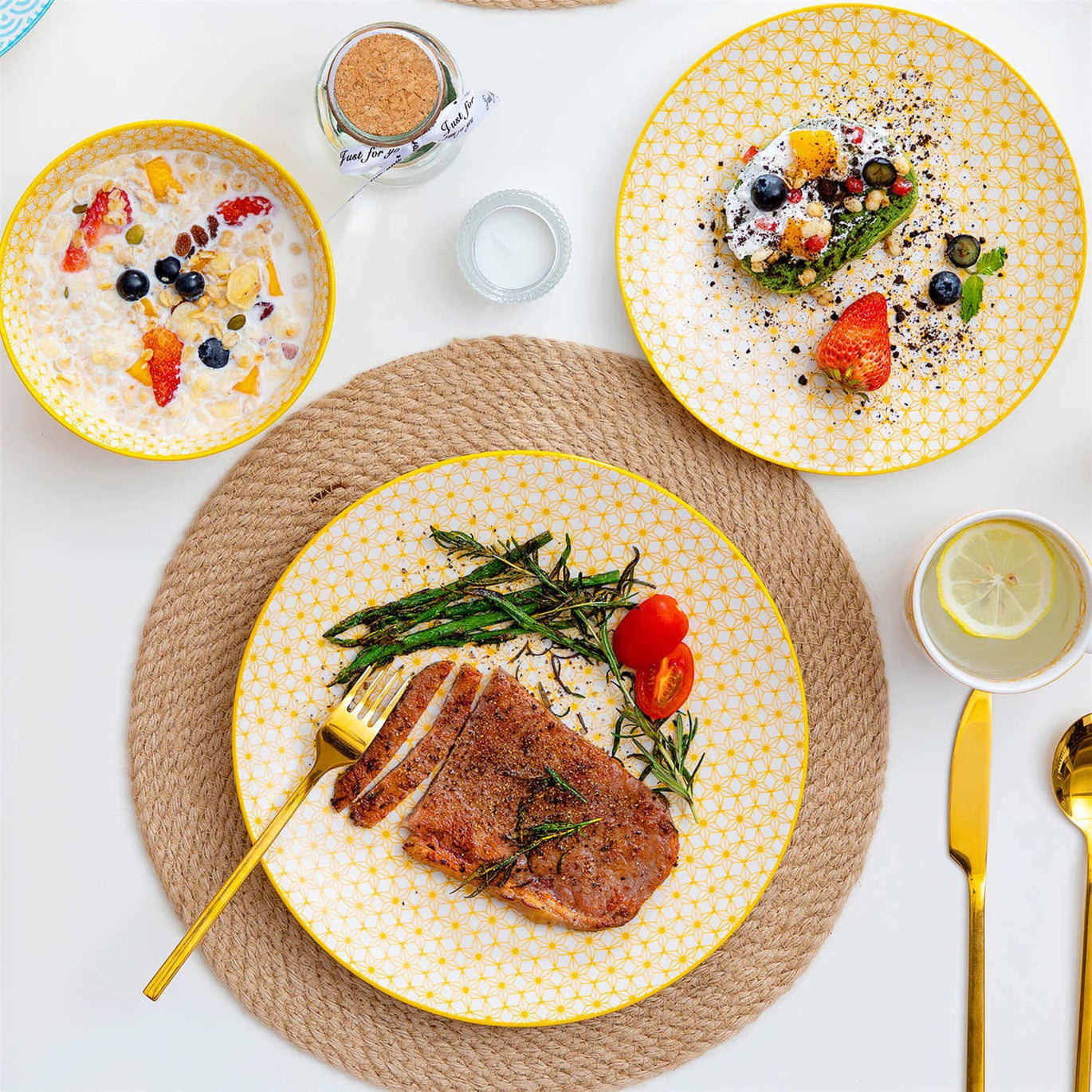
What sets Japanese dinnerware apart are its unique features, primarily rooted in the materials used and the artistry involved in their creation. Most Japanese dinnerware is made from high-quality ceramics and porcelain, which are renowned for their durability and ability to retain heat. The craftsmanship involved in creating these pieces is exceptional; artisans often hand-paint intricate designs that reflect nature, seasonal changes, and traditional motifs. Popular design elements include cherry blossoms, waves, and geometric patterns, often executed in a color palette that ranges from earthy tones to vibrant hues. The texture of the dinnerware also adds to its allure; many pieces feature a matte finish that enhances tactile interaction while others are glazed for a glossy appeal. Beyond aesthetics, these features contribute to the functionality of the dinnerware, making it suitable for various types of cuisine, from delicate sashimi to hearty stews. I remember attending a dinner at a friend's home where the intricately designed plates not only showcased the sushi beautifully but also kept the food warm, enhancing the overall dining experience.
3. Types of Japanese Dinnerware Sets
Japanese dinnerware sets come in various forms, each tailored to specific dining experiences. One of the most iconic types is the "chawan," or tea bowl, which is essential for tea ceremonies. These sets often include a selection of bowls, cups, and utensils designed to serve matcha tea in a ceremonial manner. Another popular type is the sushi plate set, which typically features elegantly designed plates and dipping bowls, ideal for serving nigiri and sashimi. For multi-course meals, known as "kaiseki," specialized dinnerware sets are used that include various dishes to present the meal artistically. Additionally, there are "donburi" bowls for rice dishes and "miso" soup bowls, each designed to enhance the presentation and enjoyment of the food served. My friend once hosted a kaiseki dinner, and the diverse dinnerware not only elevated the meal but also allowed each dish to shine on its own, making the event a feast for the senses.
4. How to Choose the Right Japanese Dinnerware Set
Choosing the perfect Japanese dinnerware set involves considering several factors, including personal style, the intended use, and the atmosphere you wish to create. Start by assessing the types of meals you frequently serve; a set designed for sushi may not be suitable for a formal dinner party. Think about the aesthetics that resonate with you—do you prefer traditional motifs, or are you drawn to modern interpretations? It's also essential to consider the size and shape of the pieces, as they should complement your dining space and the number of guests you typically host. Once you've selected a set, caring for it is crucial to maintain its beauty and functionality. Most Japanese dinnerware is dishwasher-safe, but handwashing is recommended to preserve intricate designs. Additionally, avoid sudden temperature changes to prevent cracking. A friend of mine swears by her carefully curated dinnerware collection; she often shares how the right pieces create an inviting atmosphere that encourages conversation and connection during meals.
Embracing the Beauty of Japanese Dinnerware
In summary, Japanese dinnerware sets are not just practical items but treasured pieces of art that enhance the dining experience. Their rich history and cultural significance add depth to every meal, making each dining occasion a celebration of beauty and tradition. As you explore the world of Japanese dinnerware, remember to embrace the artistry and craftsmanship that these exquisite pieces embody. Whether hosting a casual gathering or a formal dinner, incorporating Japanese dinnerware can transform your meals into memorable experiences, inviting both warmth and elegance to your table.
