United Kingdom Pet Food Market 2026–2034: Rise of Chicken-Based Dog Food Demand
Author : Sonpal Singh | Published On : 08 Apr 2026
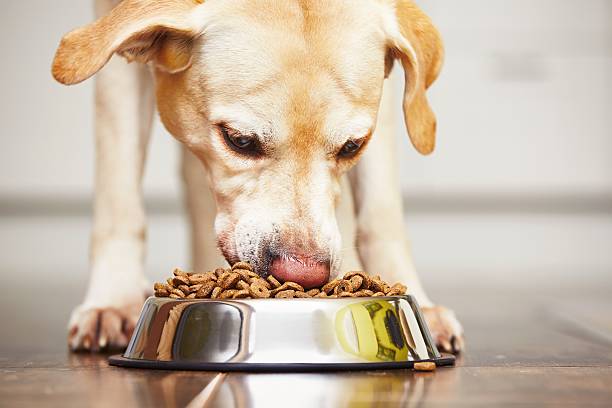
The bond between humans and their pets in the UK has never been stronger. As we treat our furry companions more like family members, the products we choose for them have undergone a massive shift toward quality, health, and convenience. Based on recent data, the United Kingdom pet food market is witnessing a period of steady growth and innovation.
What is the Current Size and Future Forecast of the UK Pet Food Market?
The United Kingdom Pet Food Market was valued at USD 4,485.9 Million in 2025. It is projected to grow at a Compound Annual Growth Rate (CAGR) of 3.68% between 2026 and 2034, reaching an estimated value of USD 6,270.0 Million by the end of the forecast period.
|
Market Attribute |
Key Statistic |
|---|---|
|
Base Year |
2025 |
|
Market Size (2025) |
USD 4,485.9 Million |
|
Projected Value (2034) |
USD 6,270.0 Million |
|
Growth Rate (CAGR) |
3.68% (2026-2034) |
This growth is fueled by a combination of rising pet ownership rates and a transition toward premium, high-quality nutrition. For brands and retailers, this represents a multi-billion dollar opportunity rooted in the "humanization" of pets.
Why is Pet Ownership Increasing Across the United Kingdom?
Pet ownership in the UK has surged primarily due to societal changes and the lasting impact of the COVID-19 pandemic. Over 3.2 million households acquired a pet during the pandemic for companionship, significantly expanding the consumer base for the pet food industry.
The "Pandemic Pet" phenomenon has created a long-term demand cycle. As these pets age, their nutritional needs change, requiring a diverse range of products. People no longer view pets as just animals; they are integral family members. This emotional connection makes owners more willing to invest in high-quality food, even during fluctuating economic times.
How is Health and Nutrition Awareness Shaping Pet Food Choices?
UK pet owners are increasingly prioritizing pet wellness by seeking out natural, holistic, and functional foods. There is a growing demand for products free from artificial additives, fillers, and low-quality ingredients, with a focus on specific health benefits like weight management and digestive health.
Today’s consumer is highly informed, often utilizing:
- Veterinary Advice: Consulting professionals for tailored diet plans.
- Digital Resources: Researching ingredients on pet care websites and social media.
- Transparent Labeling: Looking for "clean label" products that clearly state the source of proteins and nutrients.
This shift has led to the rise of Premium Products over mass-market options, as owners associate higher price points with better longevity and health for their pets.
What Role Does E-commerce Play in the UK Pet Food Distribution?
Digital transformation has revolutionized the market, with online stores becoming a dominant distribution channel. E-commerce revenue in the UK is projected to reach 12.6% by 2025, driven by the convenience of doorstep delivery, price comparisons, and subscription models.
While Supermarkets and Hypermarkets remain significant due to their accessibility, online platforms offer a niche selection that physical stores often cannot match.
Key Distribution Channels:
- Supermarkets & Hypermarkets: Ideal for "mass products" and convenience.
- Specialty Stores: Preferred for premium brands and expert advice.
- Online Stores: The fastest-growing segment, offering subscription-based auto-shipping.
Sample Request For Your Business
Which Pet Types and Product Segments Dominate the Market?
The market is segmented by pet type, with Dog Food and Cat Food leading the way. In terms of product format, Dry Pet Food remains popular for its shelf-life and cost-effectiveness, though Wet Food and Snacks/Treats are seeing rapid growth due to their palatability and use in training.
|
Category Segment |
Key Components |
|---|---|
|
Pet Type |
Dog Food, Cat Food, Others (Birds, Small Mammals) |
|
Product Type |
Dry Food, Wet/Canned Food, Snacks and Treats |
|
Ingredient Type |
Animal Derived, Plant Derived |
|
Pricing Type |
Mass Products, Premium Products |
Dry Pet Food continues to hold a substantial share because it is easy to store and serves as a complete nutritional meal. However, Snacks and Treats are becoming a "lifestyle" purchase, used by owners to reward pets or aid in behavioral training.
What are the Newest Trends and Innovations in UK Pet Food?
Recent innovations include the introduction of Halal-certified pet food and a focus on sustainable, ethically sourced ingredients. For example, brands like Hurayra Halal Pet Food are filling gaps in the market by offering GMO-free, preservative-free, and high-protein options that align with specific cultural or ethical values.
Current Trends to Watch:
- Ethical Concerns: Rising demand for sustainable packaging and ethically sourced proteins.
- Customization: Diets tailored to specific breeds, ages (kitten/puppy vs. senior), or health conditions.
- Functional Ingredients: Inclusion of probiotics, omega fatty acids, and joint-support supplements.
Which UK Regions Show the Highest Demand for Pet Food?
Demand is geographically widespread, but major urban and suburban hubs lead the market. Key regions include London, the South East, and the North West, where higher population densities and disposable income levels contribute to higher spending on premium pet products.
Top Regional Markets:
- London
- South East
- North West
- East of England
- Scotland
Each region presents unique opportunities. Urban areas like London see a higher demand for convenient, online-delivered small-bag options for apartment-dwelling pets, while rural areas may see higher volume sales of bulk dry food.
Summary of Key Market Drivers
"The UK pet food market is no longer just about 'feeding' - it is about 'nourishing' and 'bonding.' The shift toward premiumization and digital convenience is permanent." - Market Insight
- Humanization: Treating pets as family members increases willingness to pay for premium diets.
- Transparency: Owners want to know exactly what is in the bowl, favoring animal-derived proteins over fillers.
- Innovation: New players are entering the market with niche offerings like Halal or grain-free options.
- Convenience: The "subscription economy" ensures a steady revenue stream for online retailers.
