Understanding WordPress Errors And Fixing Website Issues
Author : 360 Xpert Solution | Published On : 12 Nov 2026
Introduction: Recognizing Critical WordPress Website Problems
A website plays an essential role in building an online presence, attracting potential customers, and maintaining business credibility. However, even a well-designed website can experience unexpected technical problems that interrupt its performance. A wordpress website critical error is one such issue that can prevent visitors from accessing important pages or even make the entire website unavailable. When this happens, website owners may become concerned about losing traffic, affecting customer experiences, and damaging their search engine rankings.
WordPress is a flexible and widely used content management system, but its extensive plugin ecosystem, themes, and customization options can sometimes create technical conflicts. Understanding why these errors occur and how to resolve them can help website owners maintain a stable online presence. With the right troubleshooting approach, many WordPress problems can be identified and corrected without causing further damage to the website.
Understanding Why WordPress Websites Experience Errors
WordPress websites depend on several interconnected components to function properly. These include the WordPress core software, themes, plugins, PHP, databases, and server configurations. When one of these components stops working correctly or becomes incompatible with another, the website may experience unexpected errors.
Plugin conflicts are among the most common reasons behind website functionality problems. Installing multiple plugins from different developers can sometimes create compatibility issues, particularly when they perform similar tasks or rely on different software versions. Outdated themes and WordPress installations can also introduce vulnerabilities and technical inconsistencies.
Server-related problems may contribute to these situations as well. Insufficient memory limits, incorrect file permissions, database connection failures, and unsupported PHP versions can interrupt normal website operations. Identifying the underlying cause is therefore more important than simply attempting random fixes.
Common Warning Signs That Indicate Technical Problems
WordPress errors do not always appear without warning. Sometimes, website owners notice unusual behaviour before a major technical issue develops. Pages may load slowly, certain features may stop responding, or visitors may encounter unexpected messages while browsing.
Another common warning sign is the appearance of a blank screen or an error notification when accessing the WordPress dashboard. In other situations, the homepage may continue working while individual pages or administrative functions become inaccessible.
These symptoms should not be ignored because they may indicate problems with plugins, themes, server resources, or website files. Monitoring website performance regularly makes it easier to identify unusual activity and address technical concerns before they affect the entire website.
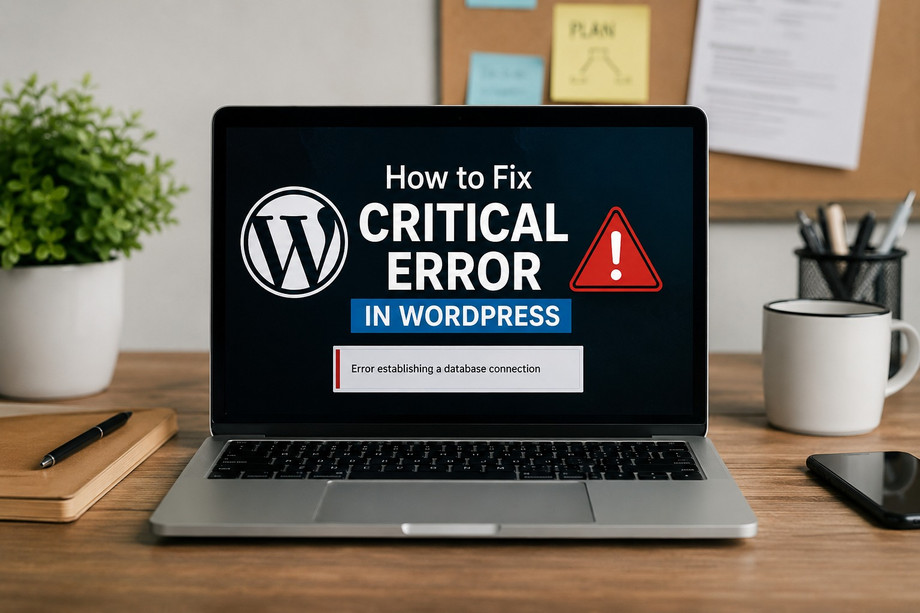
The Importance of Identifying the Root Cause
Effective troubleshooting begins with understanding what triggered the problem. Making unnecessary changes without identifying the cause can introduce additional complications and make recovery more difficult.
Website administrators should first review recent changes made before the error appeared. These changes may include installing a new plugin, updating an existing theme, modifying website code, or switching hosting configurations. Comparing the website's behaviour before and after these modifications can provide useful clues.
WordPress debugging tools can also help identify the source of technical issues. Enabling debugging through the appropriate configuration settings allows administrators to examine error messages and identify problematic files or functions. However, debugging information should remain hidden from public visitors to protect sensitive website information.
Understanding and Resolving Fatal WordPress Errors
A fatal error wordpress problem occurs when PHP encounters an issue that prevents a particular script or process from continuing. Such errors can make the website partially or completely inaccessible, depending on which component is affected. They may result from incompatible plugins, outdated PHP functions, memory limitations, corrupted files, or coding mistakes.
The first step toward resolving this issue is examining the error message or relevant server logs. These details can identify the file and line of code responsible for the failure. If a recently installed plugin appears to be involved, temporarily disabling it may restore normal functionality. Updating incompatible software, correcting coding issues, or adjusting server settings may also be necessary.
For more complicated situations, professional technical assistance can prevent accidental data loss and ensure that repairs are completed correctly. Experienced developers can investigate deeper compatibility problems, repair damaged website components, and improve overall system stability.
Conclusion: Building a More Reliable WordPress Website
A technically healthy website is essential for maintaining customer trust, delivering a positive browsing experience, and supporting long-term digital growth. Although WordPress errors can interrupt normal operations, understanding their causes and following systematic troubleshooting methods can make recovery considerably easier.
Consistent updates, secure backups, reliable hosting, and regular maintenance help minimize the chances of recurring technical problems. Website owners should also seek professional assistance when an issue requires advanced debugging or code-level corrections.
For businesses looking to maintain dependable websites and resolve challenging technical issues, 360xpertsolution.com can be considered a resource for professional website development and technical support. Taking a proactive approach to WordPress maintenance helps ensure better performance, improved security, and a smoother experience for every visitor.
