Understanding Total Loss Threshold California in Auto Insurance Claims
Author : ADR Claims | Published On : 14 May 2026
After an accident, one of the most confusing things about auto insurance is determining if you claim diminished value or total loss. A poor insurance payout will add to the already stressful experience of a car accident. Fortunately for California drivers, this decision depends on a specific calculation called the Total Loss Threshold California. Understanding how total loss and total loss threshold work is crucial to making sure you receive the insurance payout you are owed.
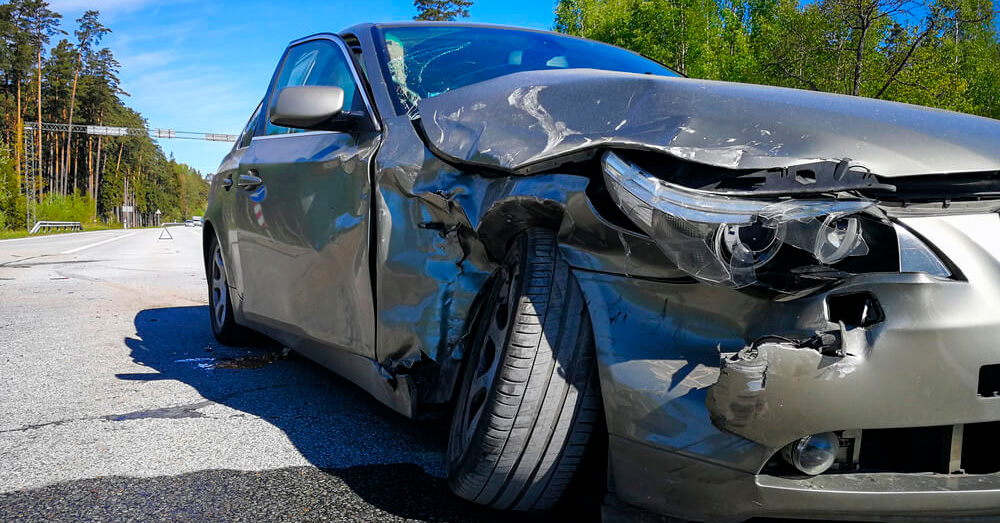
California Total Loss Law Explained
An auto insurance claim will have a total loss when the damage to the vehicle after an accident/incident is so extensive, that for repairing it would cost more than the car is worth (actual cash value). The insurance company must decide whether it is more economical to pay to repair the vehicle or to pay you its value prior to the accident.
When measuring the total loss of an automobile in the state of California, the insurer may determine that the vehicle is a total loss and will provide the insured with a settlement amount based upon the vehicle's actual market value rather than repairing the vehicle. There are several variables that an insurance company will evaluate when determining whether an automobile has been declared as a total loss and establishing the value of the vehicle. To calculate a vehicle's total loss threshold, an insurance company uses the following three pieces of information: 1.) the estimated salvage value of the vehicle; 2.) the estimated repair costs of the vehicle; and 3.) the estimated cash value of the vehicle prior to the accident.
Here’s an explanation of the total loss threshold: If the actual cash value (ACV) of the car is greater than the costs associated with repair and salvage, it is considered a total loss.
repair cost + salvage value exceeds or equals ACV = Total Loss
As an example, when your car is appraised at $20,000 and the cost of repairs is $22,000, your insurer would determine that your vehicle is a total loss.
What Does Your Insurance Company Do After Declaring a Total Loss?
Should your car become determined a total loss by the insurance company, you would receive compensation based on its fair market value, or blue book value as of the date of loss. This initial value may be less than what you would receive had your vehicle been in good condition without an accident. Because most insurance companies provide low offers initially, most of the time their claim is more than what they initially claim, but may not take into account the vehicle's condition, features, maintenance history, etc.
They might extend a lowball offer in the expectation that you will agree to it and proceed. Nevertheless, you are under no obligation to accept the insurance company's offer without disputing it. You can seek legal remedies and negotiate for a better car valuation with the support of an attorney, and also ask for an independent appraisal.
If you disagree with the settlement amount for your vehicle or the overall value, you may request an independent appraisal. Most car insurance policies in California include an appraisal clause giving you and the insurer the right to hire an appraiser to resolve a difference of opinion about your vehicle's cash value. If after both independent appraisers analyze the car and determine its cash value, they cannot agree on a final value, an objective third party will make that determination.

Know Your Legal Rights
California's total loss law protects drivers and car owners. After their vehicle has been deemed a total loss, it allows policyholders to contest the total loss settlement offer made by their insurance company. It can be difficult to navigate a complete loss claim, and you should be aware of your rights and not be forced by your insurance company to accept a lower settlement. If you need legal help, to avoid having to accept less than what your claim is worth, let ADR Claims work with you and in your favor.
