Understanding the Design Elements of the Adair Clamp
Author : Grey Med | Published On : 04 Jun 2026
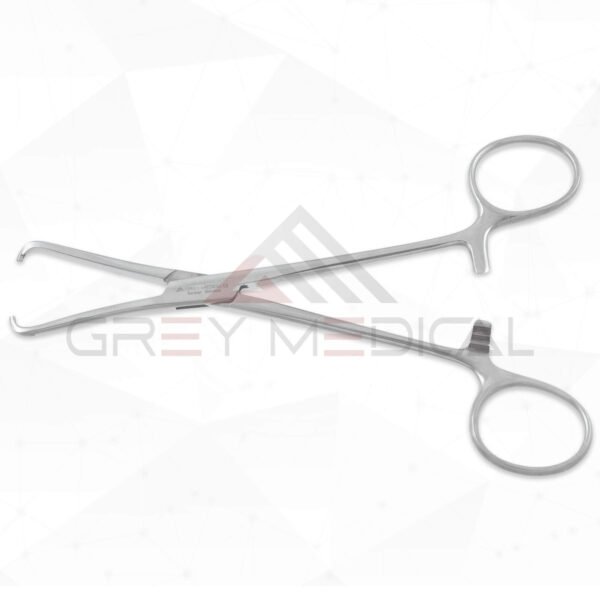
The Adair clamp is engineered with a unique mechanical structure that balances grip strength with tissue preservation. It typically features slightly curved jaws equipped with multiple fine, sharp teeth at the tips, allowing it to lock securely onto slippery or dense biological structures without causing unnecessary tearing. The instrument retractor is controlled by a ratcheting ring-handle mechanism, which enables the surgeon to lock the clamp at varying levels of tension. This hands-free locking capability is vital during complex procedures, ensuring that the tissue remains firmly held in place while the surgical team focuses on dissection or reconstruction.
Primary Surgical Applications and Utility
In clinical practice, the Adair clamp is most frequently utilized in gynecological, general, and reconstructive surgeries where secure traction is paramount. Its primary function is to lift or retract heavy tissue layers—such as the uterine cervix, dense fascial planes, or robust tumor masses—to expose underlying anatomical structures. Because it provides an exceptionally firm hold, it gives surgeons the leverage needed to manipulate organs safely, making it a staple instrument in both routine and highly specialized surgical trays.
Minimizing Tissue Trauma and Promoting Healing
While the sharp teeth of an Adair clamp are designed for a aggressive grip, the physics behind its design aims to minimize overall tissue trauma. By distributing the mechanical force evenly across the multi-toothed tips, the instrument reduces the risk of crushing injuries that single-toothed clamps might cause. Surgeons carefully select the Adair clamp when dealing with tissues that possess high tensile strength, as it prevents slippage that could lead to accidental lacerations or delayed post-operative healing.
Comparison With Other Surgical Tenaculums
Medical professionals often contrast the Adair clamp with standard single-toothed tenaculums or standard forceps to determine the best tool for a specific task. Unlike standard forceps that rely purely on manual compression, the Adair clamp's locking ratchet ensures consistent, predictable pressure. Furthermore, its multi-toothed configuration offers a broader surface area of control compared to a classic single-point tenaculum, making it the preferred choice when handling larger tissue specimens or performing procedures that require sustained, heavy retraction.
Sterilization and Material Durability Standard
To meet the stringent demands of modern operating rooms, Adair clamps are manufactured from high-grade surgical stainless steel. This material ensures that the instrument maintains its structural integrity and sharpness over hundreds of uses while resisting corrosion from bodily fluids and harsh chemical cleaners. The adair clamp seamless construction allows the clamp to undergo rigorous sterilization processes, including high-pressure autoclaving, ensuring absolute patient safety and preventing cross-contamination between surgical cases.
The Evolution of Precision Instrumentation
The development and ongoing use of the Adair clamp reflect a broader trend in medical history toward specialized surgical precision. As surgical techniques transitioned from broad exploratory incisions to highly targeted interventions, the need for instruments that could reliably isolate specific tissues became critical. The Adair clamp represents this evolution, providing a reliable solution to the age-old surgical challenge of maintaining a clear, unobstructed field of view during complex internal operations.
