Understanding Solvent Dye, Oil Soluble Dye, Oil Colorants, and LSD: Applications and Benefits
Author : Anar Chemicals LLP | Published On : 14 Mar 2026
In many manufacturing and industrial processes, color plays an essential role in enhancing the appearance, identification, and performance of products. Among the various types of dyes used today, Solvent Dye, Oil Soluble Dye, Oil Colorants, and LSD (Liquid Solvent Dye) are widely recognized for their efficiency, versatility, and strong coloring capabilities. These dyes are commonly used in plastics, fuels, lubricants, inks, coatings, and other industrial products where water-based dyes are not suitable.
Solvent Dye is a type of dye that dissolves in organic solvents rather than water. Unlike water-based dyes, solvent dyes provide excellent transparency and vibrant colors when mixed with materials such as oils, waxes, plastics, and hydrocarbons. Because of their ability to dissolve in non-polar substances, they are often used in applications like fuel coloring, wood stains, printing inks, and plastic products. Solvent dyes are valued for their strong tinting strength, good lightfastness, and compatibility with a wide range of industrial materials.
Closely related to solvent dyes is the Oil Soluble Dye, which specifically dissolves in oils, lubricants, and other petroleum-based products. These dyes are widely used in industries that require color in oil-based systems, such as automotive lubricants, grease, and fuel products. Oil soluble dyes help manufacturers easily identify different grades of oils and fuels, improving safety and product recognition. They also offer excellent stability, meaning the color remains consistent even under high temperatures or harsh conditions.
Another important category is Oil Colorants. These colorants are specially designed to mix smoothly with oil-based materials, providing uniform color without affecting the performance of the base product. Oil colorants are commonly used in cosmetics, candles, lubricants, wood finishes, and plastic processing. Their main advantage is that they blend easily without leaving particles or residues. This ensures a clean and transparent finish, which is particularly important in applications where product appearance matters.
LSD (Liquid Solvent Dye) represents a more convenient and efficient form of solvent dye. Instead of being supplied as powder or granules, LSD is available in liquid form, which makes it easier to handle and mix with other materials. Liquid solvent dyes are commonly used in fuel marking, lubricants, and coatings because they dissolve quickly and provide consistent coloring. Manufacturers prefer LSD because it reduces dust during handling and allows precise dosing in production processes.
The use of these dyes offers several benefits across industries. First, they provide high color strength, meaning a small amount of dye can produce strong and vibrant colors. Second, they are highly compatible with non-aqueous systems such as oils, fuels, waxes, and plastics. Third, they offer excellent transparency and stability, ensuring that the final product maintains its visual quality over time.
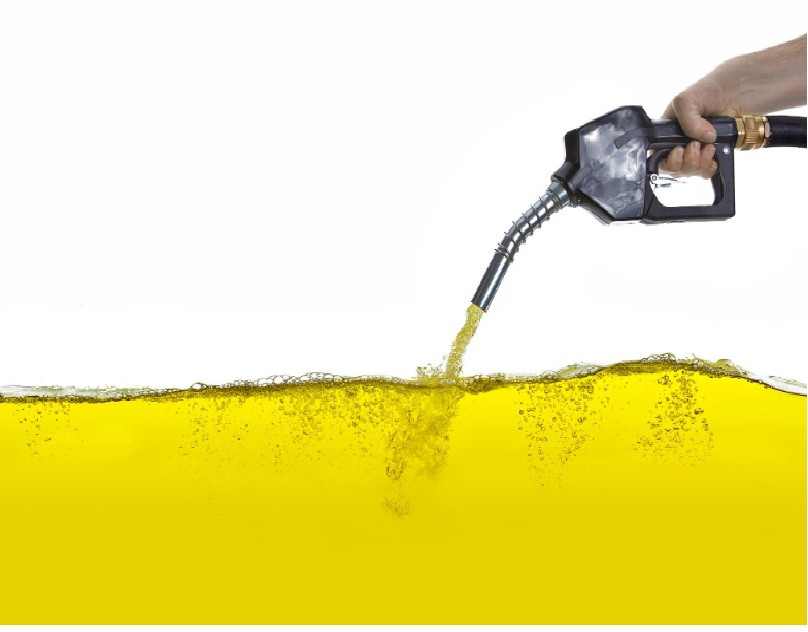
In addition, solvent-based dyes and colorants help manufacturers differentiate their products in the market. For example, different fuel types may be colored to prevent misuse, while lubricants and oils can be dyed for easy identification. In plastics and coatings, these dyes add aesthetic appeal while maintaining material performance.
In conclusion, Solvent Dye, Oil Soluble Dye, Oil Colorants, and LSD are essential components in many industrial and commercial applications. Their ability to dissolve in oils and solvents, provide vibrant colors, and maintain stability under demanding conditions makes them highly valuable in modern manufacturing. As industries continue to demand reliable and efficient coloring solutions, these dyes will remain a key part of product formulation and innovation.
