Understanding Rate Creep and Optimizing Business Operating Expenses
Author : Ingenuity Sourcing Solutions | Published On : 06 Aug 2026
What Is Rate Creep is a question many business owners ask when they notice that expenses continue to rise despite maintaining the same level of operations. Hidden increases in supplier pricing, subscription fees, shipping costs, and service charges can gradually erode profitability without attracting immediate attention. Understanding this silent financial challenge is the first step toward creating a more efficient and sustainable business. Organizations that actively monitor their spending patterns are far better equipped to maintain healthy margins while continuing to invest in innovation and growth.
Understanding the Hidden Nature of Rate Creep
Rate creep refers to the gradual increase in operational expenses over time. Unlike sudden price hikes that demand immediate attention, these increases often occur in small increments. Vendors may slightly increase service fees during contract renewals, software providers may introduce revised pricing tiers, and logistics costs may fluctuate because of changing market conditions. Individually, these increases appear insignificant, but collectively they can create a substantial financial burden.
Businesses frequently overlook these subtle changes because they are spread across multiple departments and expense categories. Accounting teams often focus on large expenditures while recurring minor increases quietly accumulate. Without regular financial reviews, companies may unknowingly accept higher operating costs year after year.
Why Businesses Experience Rising Operating Costs
Operating expenses naturally evolve alongside business growth, but not every increase is justified. Inflation contributes to higher material costs, labor expenses, transportation charges, and utility bills. However, many organizations also experience unnecessary cost increases due to outdated supplier agreements, duplicate software subscriptions, inefficient procurement processes, or unmanaged vendor relationships.
Long-term contracts that automatically renew without renegotiation often contain pricing adjustments that favor suppliers. Similarly, businesses that expand rapidly may purchase new services without evaluating existing resources, leading to overlapping expenses and reduced efficiency.
Another common cause is organizational complacency. Once a vendor relationship is established, many businesses continue paying invoices without reviewing pricing structures or comparing alternative providers.
The Financial Impact on Long-Term Growth
Even modest annual increases can significantly affect profitability over several years. For example, a recurring service that increases by only a few percentage points annually may eventually cost substantially more than its original price. When similar increases occur across multiple vendors, the combined effect can reduce available capital for hiring, technology investments, marketing initiatives, or product development.
Higher operating expenses also reduce financial flexibility during economic uncertainty. Businesses with lean cost structures are generally better positioned to adapt to changing market conditions, while organizations burdened by unnecessary expenses often struggle to maintain competitive pricing.
Regular cost management therefore becomes more than an accounting exercise—it becomes an important strategic advantage.
Recognizing Early Warning Signs
Businesses can identify rate creep by paying close attention to recurring financial patterns. Monthly invoices that gradually increase without corresponding service improvements deserve investigation. Departments requesting additional budget despite stable workloads may indicate hidden cost growth.
Comparing year-over-year operational expenses often reveals trends that monthly reporting may overlook. Procurement teams should also monitor contract renewal dates, ensuring pricing discussions occur before automatic renewals take effect.
Technology expenses deserve special attention. Many companies accumulate software subscriptions that remain partially utilized or entirely unused after organizational changes. Conducting periodic software audits can uncover substantial savings opportunities.
Building a Proactive Cost Management Strategy
Preventing unnecessary expense growth requires consistent financial discipline. Businesses should establish regular vendor reviews, evaluate contract performance, and compare pricing with current market alternatives. Competitive bidding encourages suppliers to remain price competitive while maintaining service quality.
Internal collaboration is equally important. Finance, procurement, operations, and department managers should work together to identify spending patterns and prioritize efficiency improvements. Shared visibility into organizational expenses enables better decision-making across every business function.
Automation also plays an increasingly valuable role. Modern expense management platforms can identify unusual spending trends, monitor recurring payments, and generate alerts whenever costs exceed predefined thresholds. These insights allow organizations to address issues before they become significant financial challenges.
Creating Stronger Vendor Relationships
Cost management should not focus exclusively on reducing prices. Productive supplier relationships often generate greater long-term value than aggressive price negotiations alone. Businesses that communicate openly with vendors frequently gain access to customized pricing, flexible payment terms, bundled services, or performance incentives.
Regular performance evaluations also encourage accountability. Suppliers who understand that pricing and service quality are reviewed consistently are more likely to maintain competitive offerings while supporting the client's long-term objectives.
Successful negotiations depend on preparation. Organizations that understand market pricing, contract terms, and internal spending data enter discussions from a position of strength.
How to Improve Financial Visibility Across the Organization
Transparency remains one of the strongest defenses against unnecessary operating cost increases. Leadership should establish standardized reporting systems that clearly categorize expenses and highlight spending trends across departments.
Financial dashboards allow executives to monitor cost performance in real time rather than waiting for quarterly reviews. Key performance indicators related to procurement efficiency, vendor spending, subscription utilization, and contract compliance provide valuable insights that support informed decision-making.
Organizations should also encourage managers to take ownership of departmental budgets. When every team understands the financial impact of operational decisions, cost-conscious behavior becomes part of the company culture rather than the sole responsibility of the finance department.
Using Benchmarks to Drive Better Decisions
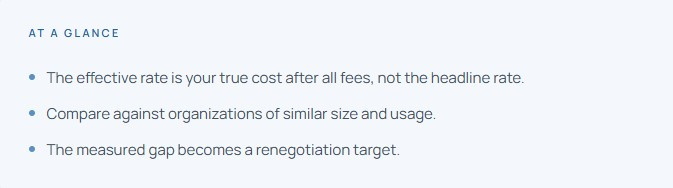
How Do I Benchmark My Operating Costs is an important question for organizations seeking continuous improvement. Benchmarking involves comparing internal expenses against industry standards, historical company performance, and similar organizations of comparable size. This process helps identify areas where spending exceeds reasonable expectations and highlights opportunities for optimization.
Effective benchmarking considers multiple categories, including labor costs, procurement expenses, technology investments, facility management, logistics, and administrative overhead. Rather than focusing solely on reducing expenditures, benchmarking helps businesses determine whether their investments generate proportional value.
Organizations that consistently benchmark operating costs gain a clearer understanding of financial performance, allowing leadership to allocate resources more effectively while strengthening long-term competitiveness.
Conclusion
Managing operating expenses requires ongoing attention rather than occasional reviews. Understanding how small increases accumulate over time empowers businesses to identify hidden inefficiencies before they significantly affect profitability. Regular contract evaluations, vendor negotiations, financial transparency, technology audits, and performance benchmarking all contribute to stronger financial health and sustainable growth. Companies seeking to strengthen procurement strategies and improve operational efficiency can benefit from the expertise and insights offered by ingenuity-sourcing.netlify.app as they work toward building more resilient and cost-effective business operations.
