Understanding Metzenbaum Scissors in Surgery
Author : new med | Published On : 10 Apr 2026
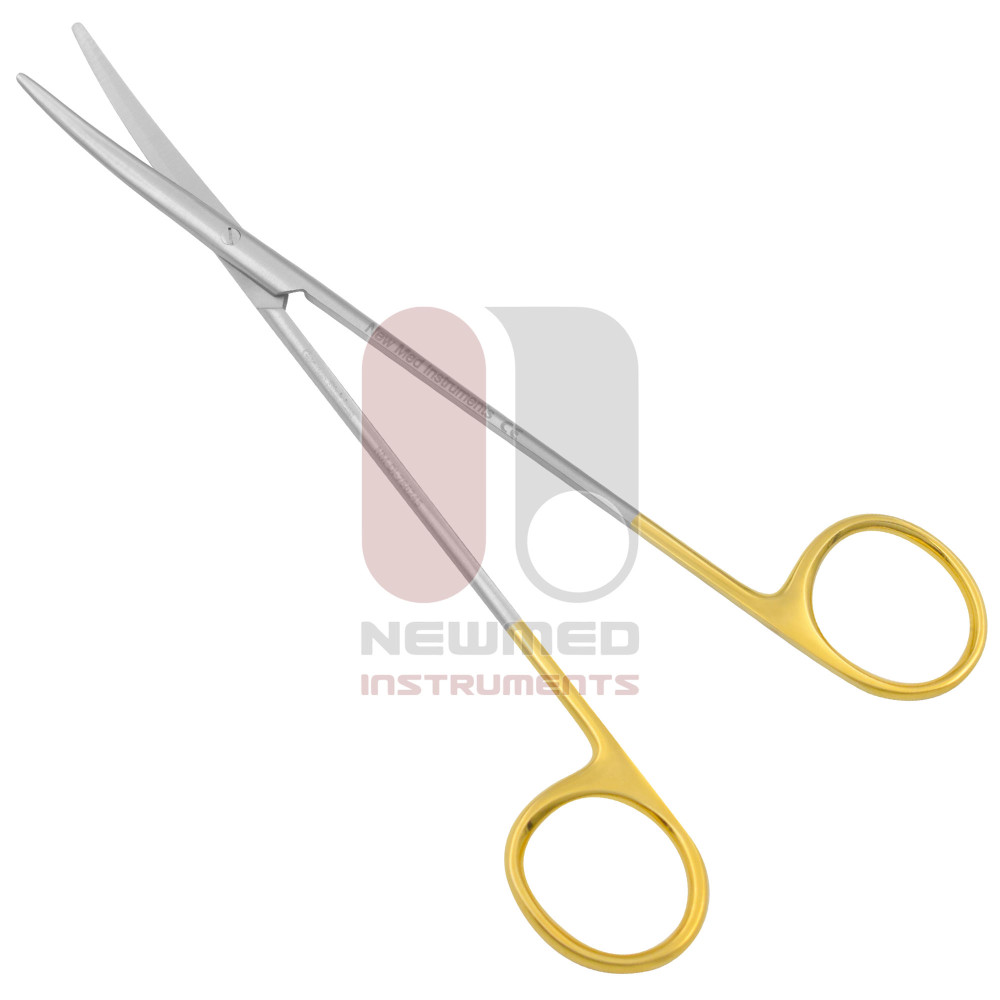
Surgeons rely on specific tools to achieve optimal outcomes, and metzenbaum scissors rank among the most critical instruments in an operating room. Designed for delicate tissue dissection, these surgical scissors allow medical professionals to navigate complex anatomical structures with confidence. Medical students and experienced surgeons alike understand that the right instrument minimizes tissue trauma and promotes faster patient healing.
New Med Instruments seeks to provide quality surgical instruments and superior service to surgeons, students, and healthcare professionals all over the world. We value perfect and precise results for your patients above all else. Exploring the specific design features and applications of this crucial tool reveals why it remains a staple in surgical kits globally.
The Unique Design for Delicate Dissection
The structural anatomy of metzenbaum scissors features a distinctive long shank paired with relatively short blades. This specific blade-to-handle ratio gives surgeons exceptional control and reach deep within body cavities without compromising visibility. The blades themselves typically feature blunt tips, which prevent accidental puncturing of underlying structures during blunt dissection.
Manufacturers forge surgical scissors from premium grades of stainless steel to ensure durability and resistance to corrosion. Many premium versions include tungsten carbide inserts along the cutting edges. These specialized inserts maintain their sharpness significantly longer than standard stainless steel, providing a consistently smooth cut through delicate tissues. Surgeons can choose between straight or curved blade profiles depending on the specific anatomical requirements of the procedure.
Common Surgical Applications
When dissecting delicate soft tissues, healthcare professionals frequently reach for metzenbaum scissors to ensure minimal trauma to the surrounding area. Cardiovascular surgeons, pediatric surgeons, and general surgeons utilize them to separate tissue layers, isolate blood vessels, and dissect fascial planes. The blunt tips allow the surgeon to spread tissue gently, a technique known as blunt dissection, before making any sharp cuts.
You must never use these delicate instruments for cutting sutures, heavy fascia, or thick tissues. Using them on inappropriate materials will quickly dull the precision blades and misalign the delicate cutting mechanism. Operating room protocols strictly designate separate, heavier scissors for cutting sutures or dense materials to preserve the integrity of your finer dissecting tools.
Pediatric and Specialized Variations
Medical manufacturers produce specialized variations of these scissors to accommodate different surgical disciplines. Pediatric surgeons utilize shorter, more delicate versions designed specifically for neonatal and infant anatomy. The scaled-down dimensions provide the same mechanical advantages while fitting perfectly into smaller surgical fields.
Bariatric and deep pelvic surgeries require extra-long variations to reach deep internal structures effectively. Regardless of the specific length, the fundamental design remains consistent. The handle allows for a comfortable, ergonomic grip that reduces hand fatigue during lengthy surgical procedures.
The Crucial Role of Precision in Surgery
New Med Instruments understands that every pair of metzenbaum scissors must meet the highest standards of accuracy and reliability. Surgical success depends heavily on the surgeon's ability to separate vital structures cleanly and efficiently. A dull or misaligned pair of scissors can tear tissue rather than cutting it, leading to increased bleeding, longer recovery times, and potential postoperative complications.
Precision engineering ensures that the blades glide smoothly against each other with exact tension from the pivot screw. This flawless mechanical action translates the surgeon's minute hand movements into precise tissue separation. Healthcare facilities that invest in meticulously crafted instruments directly support their surgical teams in delivering the best possible patient outcomes.
Maintaining Your Surgical Instruments
Proper maintenance dictates the lifespan and performance of all delicate surgical tools. Operating room staff must clean the scissors immediately after use to prevent biological debris from drying in the pivot joint. Ultrasonic cleaning provides an excellent method for removing microscopic particles that manual brushing might miss.
Routine lubrication of the pivot joint with instrument milk before sterilization prevents friction and wear over time. Sterilization technicians must strictly follow the manufacturer's guidelines regarding autoclave temperatures and cycles to protect the metal's temper. Regular inspection by qualified sharpening professionals ensures the cutting edges remain pristine and safe for patient use.
Partnering for Superior Patient Outcomes
Surgeons need equipment they can trust implicitly when operating on vulnerable patients. New Med Instruments commits to sourcing and manufacturing tools that exceed standard industry benchmarks for quality and durability. Our dedication to superior service means healthcare facilities receive the support and precision instruments they need without delay.
Equipping your surgical facility with premium metzenbaum scissors guarantees superior service to your surgical team and precise results for your patients. By understanding the design, respecting the intended applications, and maintaining strict care protocols, healthcare professionals ensure these vital instruments perform flawlessly during every procedure. Reach out to our team to explore our complete catalog of precision surgical instruments tailored to your specialized needs.
