Understanding Legal Rights After Serious Industrial Workplace Accidents
Author : Perkins & Perkins | Published On : 17 Nov 2026
Understanding the Impact of Industrial Workplace Accidents
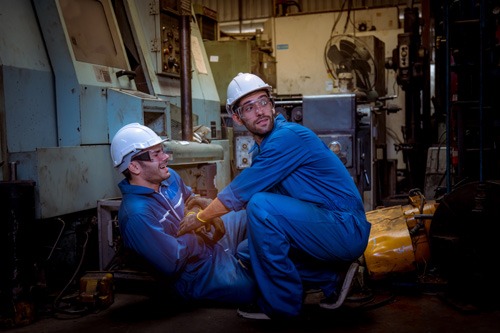
An industrial accident can change a worker's life in a matter of seconds. A machinery malfunction, falling object, chemical exposure, or unsafe working environment can result in serious injuries and unexpected financial difficulties. Understanding legal rights after such an incident is essential for protecting an injured employee's interests. Individuals researching a perkins & perkins industrial accident lawyer in corpus may benefit from learning how workplace accident claims work and what legal options may be available. Proper legal guidance can help injured workers understand responsibilities, investigate circumstances, and evaluate potential compensation.
Common Causes of Industrial Accidents
Industrial workplaces involve heavy equipment, demanding physical activities, and potentially hazardous materials. Accidents may occur because of inadequate employee training, defective machinery, poor maintenance, insufficient protective equipment, or unsafe operating procedures. Construction sites, manufacturing facilities, warehouses, and processing plants can present different occupational risks. Consulting a perkins & perkins industrial accident lawyer in corpus may help injured individuals understand whether negligence or another legally relevant factor contributed to an accident. Identifying the underlying cause is important because workplace incidents can involve multiple responsible parties, depending on the circumstances and applicable laws.
Understanding Workplace Injury Compensation
Workers who suffer occupational injuries may have access to different legal protections depending on their employment arrangements and the circumstances surrounding an incident. Workers' compensation generally provides benefits for qualifying medical expenses and a portion of lost wages, subject to applicable requirements. However, certain industrial accidents may also involve third-party liability claims. For example, a defective machine, negligent contractor, or unsafe property condition could create additional legal considerations. Understanding the difference between these options is important because each type of claim follows different procedures, deadlines, and eligibility requirements.
The Importance of Experienced Legal Representation
Industrial accident cases can involve complicated evidence, workplace regulations, insurance issues, and questions about responsibility. Legal professionals help injured workers understand the procedures involved in pursuing a claim and evaluating possible remedies. The name perkins & perkins law is relevant when discussing the importance of obtaining legal information after a serious workplace incident. An attorney may examine accident reports, employment records, medical documentation, and witness statements to understand what happened. A careful investigation can help clarify important facts and determine whether additional parties may share responsibility for the injuries.
Gathering Evidence After an Industrial Accident
Evidence plays an important role in understanding how an industrial accident occurred and establishing the circumstances surrounding an injury. Photographs of the accident location, equipment conditions, safety warnings, and visible injuries may provide useful information. Medical records, incident reports, witness accounts, and employment documentation can also support an investigation. Individuals exploring perkins & perkins law may find it useful to understand why preserving relevant information matters. Injured workers should report incidents through appropriate workplace procedures and seek medical attention promptly. Important evidence should be preserved whenever possible to avoid unnecessary difficulties during later legal evaluations.
Types of Compensation That May Be Available
The financial consequences of an industrial accident can extend beyond immediate medical expenses. Injured employees may experience reduced earning capacity, extended treatment requirements, rehabilitation costs, and difficulties returning to their previous occupations. Depending on the circumstances and applicable legal framework, available compensation may include qualifying medical benefits, partial wage replacement, disability benefits, or damages through a separate liability claim. The specific benefits depend on factors such as the injury, employment status, insurance coverage, and legal responsibility. Understanding these distinctions can help injured workers develop realistic expectations while considering their available options.
Why Workplace Safety and Legal Awareness Matter
Preventing industrial accidents requires consistent attention to workplace safety standards and responsible management practices. Employers and contractors should provide suitable training, maintain equipment, communicate hazards, and establish appropriate emergency procedures. Employees also benefit from understanding workplace rules and using required protective equipment. When accidents occur, accurate reporting and timely medical treatment are important steps toward addressing their consequences. Legal awareness can further help workers understand available protections and reporting requirements. A workplace culture that prioritizes safety benefits employees, employers, and surrounding communities by reducing avoidable hazards.
Conclusion: Taking Informed Steps After an Industrial Injury
Recovering from an industrial accident can involve physical treatment, financial adjustments, and complicated legal questions. Understanding workplace protections, preserving relevant evidence, and reviewing available compensation options can help injured employees make informed decisions. Every accident has different circumstances, so legal evaluations should consider the specific facts and applicable regulations. For additional information about available legal services and resources, perkinsperkinslawom can be a useful starting point for further research. Ultimately, timely action, accurate documentation, and appropriate professional guidance can help individuals better understand their rights and navigate the challenges following a workplace injury.
