Understanding Chiropractic Care During A Safe Injury Recovery
Author : The ChiropractOrr The ChiropractOrr | Published On : 03 Nov 2026
The Importance of Chiropractic Care After an Injury
Recovering from an injury can be a challenging journey, especially when pain, stiffness, and limited mobility begin interfering with everyday activities. Whether an injury results from a sports activity, a workplace accident, poor posture, or an unexpected fall, finding an appropriate recovery approach is essential for restoring comfort and movement. Chiropractic adjustment for injury recovery is an approach that focuses on evaluating joint function, spinal movement, and musculoskeletal health to help individuals manage certain types of discomfort during rehabilitation. By addressing movement restrictions and supporting the body's natural recovery processes, chiropractic care may become a useful part of a broader treatment plan.
Injuries can affect more than the specific area where pain develops. Muscle tension, joint stiffness, and changes in movement patterns may place additional stress on surrounding structures. For example, someone experiencing lower back discomfort may unconsciously change the way they walk or sit to avoid pain. Over time, these adjustments can contribute to discomfort in other areas. Understanding the relationship between different parts of the musculoskeletal system helps individuals make informed decisions about their recovery.
Why Movement and Rehabilitation Matter
Rest can be important immediately after certain injuries, but prolonged inactivity may sometimes contribute to stiffness, reduced muscle strength, and decreased flexibility. Once medically appropriate, gradually returning to movement can play an important role in restoring physical function.
Rehabilitation exercises are often designed to improve strength, balance, coordination, and joint mobility. Gentle stretching may help address flexibility limitations, while strengthening exercises can support the muscles responsible for stabilizing vulnerable areas. The intensity and progression of these activities should reflect the individual's condition and recovery stage.
Chiropractors may recommend specific exercises or movement modifications as part of a comprehensive care plan. These recommendations can help patients understand how to protect their bodies during everyday activities. Maintaining appropriate movement habits can also support long-term musculoskeletal health.
Safety Considerations When Choosing Chiropractic Treatment
Although chiropractic treatment may be appropriate for some musculoskeletal conditions, it is not suitable for every injury. Certain fractures, severe ligament injuries, infections, spinal cord conditions, and other serious medical problems require different forms of evaluation and treatment.
A qualified healthcare professional should assess significant injuries before spinal manipulation or other manual therapies are considered. Patients should also disclose relevant medical conditions, medications, previous surgeries, and any history of serious injuries during their consultation.
Symptoms such as progressive weakness, significant numbness, loss of bladder or bowel control, or severe pain following an accident require prompt medical attention. These warning signs should never be ignored or treated as routine muscular discomfort.
Choosing an appropriately licensed and experienced practitioner is equally important. A responsible professional will explain treatment options, discuss potential risks, recognize situations requiring medical referral, and avoid promising guaranteed results.
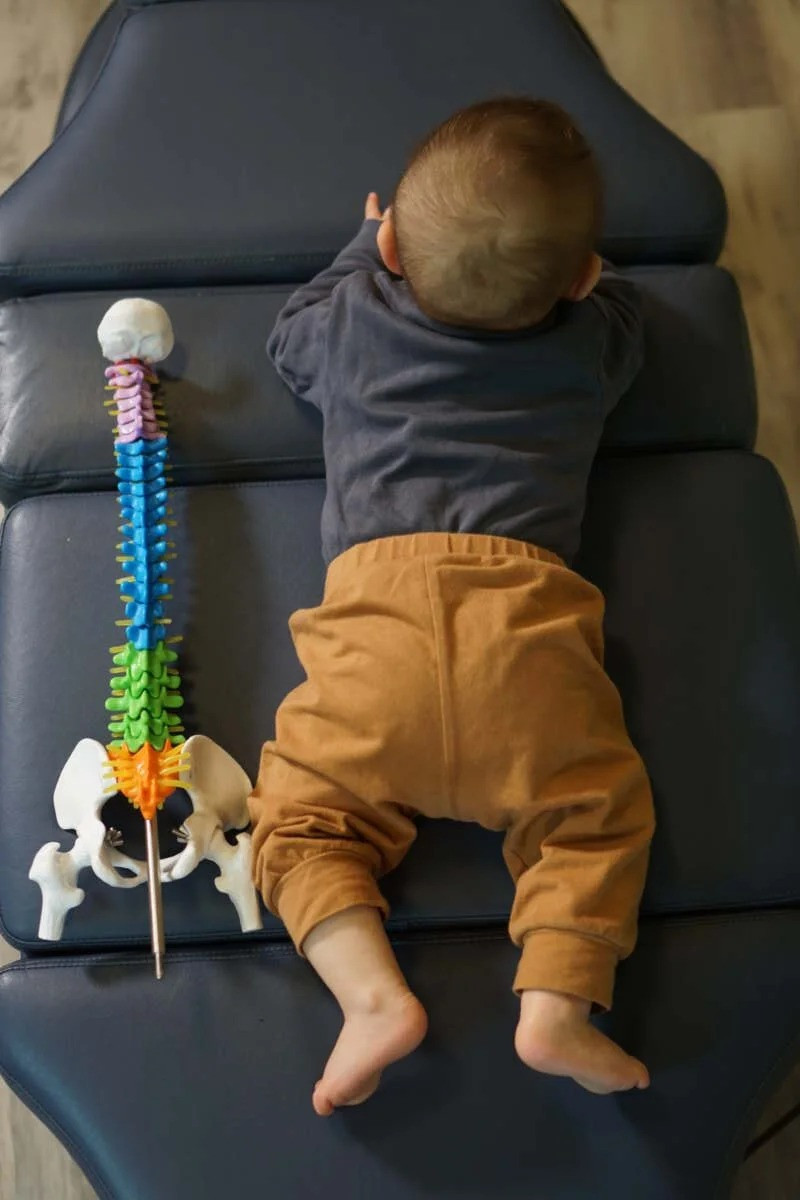
Understanding Chiropractic Spinal Adjustment and Its Benefits
One commonly discussed technique in chiropractic practice is Chiropractic spinal adjustment, which involves applying a controlled force to selected spinal joints. The purpose is to address certain movement restrictions and improve joint mobility when clinically appropriate. Depending on the individual's condition, the technique may be performed manually or with specialized instruments.
Some patients report improved movement or temporary relief from certain types of musculoskeletal discomfort following treatment. However, results vary, and spinal adjustments are not appropriate for every condition. They should be considered only after a suitable examination and discussion of possible benefits and risks.
Spinal adjustments may also be incorporated into a broader recovery strategy that includes therapeutic exercises, posture education, and lifestyle modifications. This comprehensive approach recognizes that physical recovery depends on several interconnected factors rather than a single treatment technique.
Patients should communicate openly about their comfort levels during treatment. Any unexpected increase in pain, new neurological symptoms, or unusual reactions should be discussed with the healthcare professional immediately. Treatment plans should be adjusted whenever necessary to prioritize patient safety.
Building Healthy Habits for Long-Term Recovery
Recovery does not end when the initial discomfort improves. Maintaining healthy movement habits can help individuals preserve flexibility, strength, and physical confidence. Regular low-impact activities, appropriate exercise, and gradual increases in physical activity can support general musculoskeletal wellness.
Workplace ergonomics also deserves attention. People who spend long hours sitting should consider their workstation arrangement, chair support, screen height, and opportunities to change positions throughout the day. Individuals performing physically demanding work may benefit from learning proper lifting techniques and avoiding unnecessary strain.
Adequate sleep and balanced nutrition also contribute to general recovery and overall health. Listening to the body, respecting physical limitations, and following professional guidance can make the transition back to normal activities more manageable.
Conclusion
Injury recovery requires patience, informed decisions, and an approach that addresses individual physical needs. Chiropractic care may offer supportive options for certain musculoskeletal conditions by focusing on joint mobility, movement patterns, and physical function. When combined with appropriate medical evaluation, rehabilitation exercises, and healthy lifestyle habits, it can form part of a comprehensive recovery strategy.
Every injury is different, which makes professional assessment and personalized treatment planning especially important. Individuals should understand their available options, recognize potential warning signs, and choose treatments that prioritize safety and realistic outcomes. For those exploring professional chiropractic guidance and musculoskeletal care, thechiropractorr.com can be a starting point for learning more about available chiropractic services and recovery-focused care.
