Understanding Building Regulations for Drainage Systems
Author : Clevina Desuza | Published On : 03 Jun 2026
Drainage systems are a critical component of any residential, commercial, or industrial property. They are designed to safely transport wastewater and surface water away from buildings, helping to prevent flooding, structural damage, and environmental contamination. To ensure that drainage infrastructure functions effectively and safely, building regulations establish specific standards and requirements that property owners, developers, and construction professionals must follow.
Anyone working on a building project, home improvement, or property upkeep should have a clear understanding of the rules governing drainage system installation and maintenance. Compliance not only helps avoid legal complications but also ensures the long-term efficiency and sustainability of drainage networks.
Why Building Regulations Matter
Building regulations are established to protect public health, safety, and the environment. Poorly designed or improperly installed drainage systems can lead to numerous issues, including water pollution, unpleasant odors, flooding, and damage to foundations. Regulations provide clear guidelines on how drainage systems should be designed, constructed, and maintained.
Local authorities and building control departments are responsible for enforcing these standards. Before construction begins, plans often need to be reviewed and approved to ensure they meet the required specifications. Inspections may also be conducted during and after installation.
Key Components Covered by Regulations
Building regulations typically address several aspects of drainage system design and installation. These include:
1. Drainage Layout and Design
The layout of a drainage system must ensure that wastewater flows efficiently from the property to the appropriate disposal point. Pipes should be installed with the correct gradient to promote gravity-assisted flow and minimize the risk of blockages.
Regulations often specify minimum pipe diameters, acceptable materials, and recommended installation methods. The design must also provide access points for future inspection and maintenance.
2. Surface Water Drainage
Managing rainwater effectively is a major requirement in modern building projects. Surface water should be directed away from structures to prevent flooding and water damage. Sustainable drainage solutions, such as soakaways, permeable paving, and attenuation systems, are increasingly encouraged to reduce pressure on public sewer networks.
Builders must ensure that rainwater systems are separate from foul water systems unless specific permissions are granted by local authorities.
3. Ventilation Requirements
Drainage systems require proper ventilation to maintain air pressure balance and prevent sewer gases from entering buildings. Regulations outline the placement and sizing of ventilation pipes to ensure safe operation.
Without adequate ventilation, drainage systems may experience slow flow rates, unpleasant odors, and potential health hazards.
4. Access for Maintenance
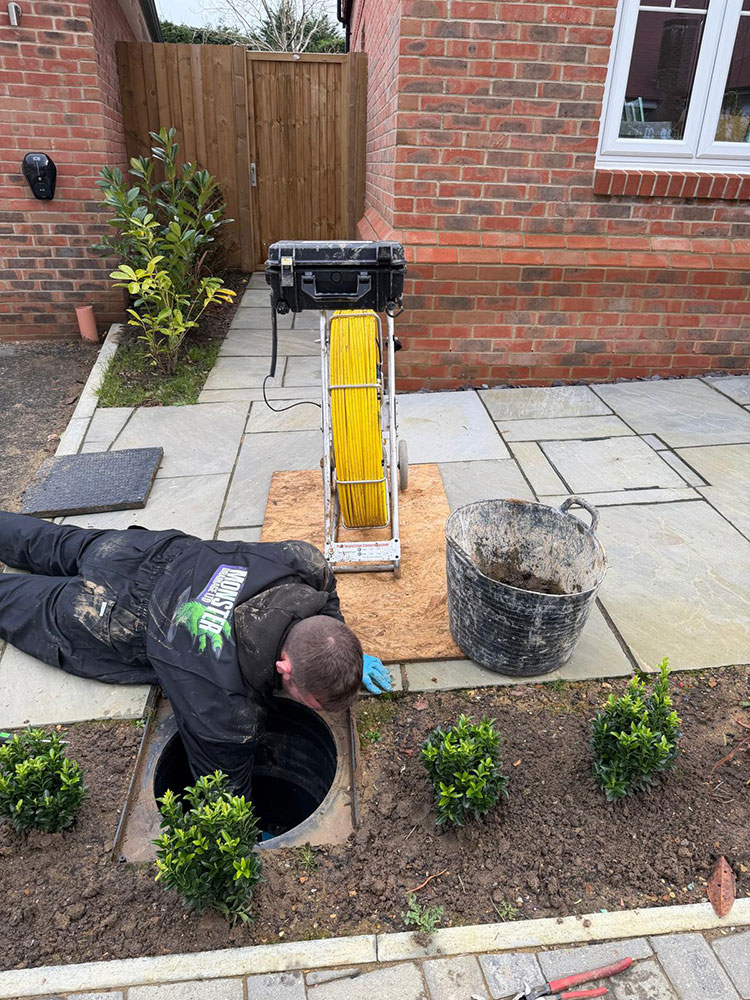
Inspection chambers, manholes, and rodding points are essential components of a compliant drainage system. These features allow maintenance teams to inspect, clean, and repair drainage networks when necessary.
Access points must be strategically located and constructed according to regulatory standards to ensure safe and convenient servicing throughout the system's lifespan.
Building Regulations and Existing Properties
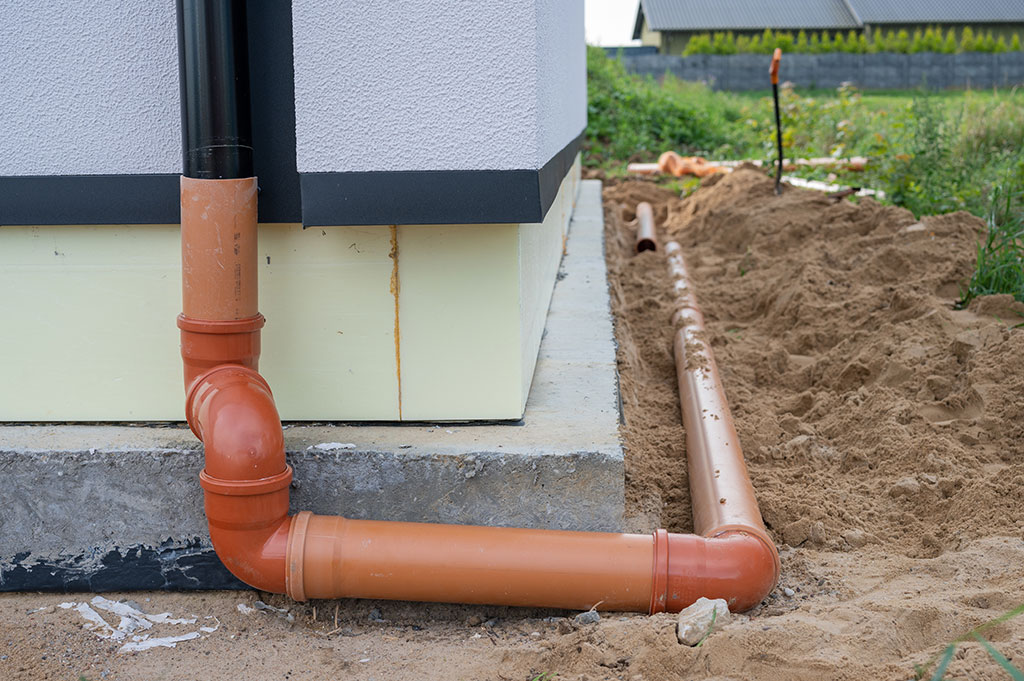
While regulations are particularly important for new developments, they also apply to many renovation and extension projects. Any significant changes to an existing drainage system may require approval from building control authorities.
Property owners planning extensions, basement conversions, or major landscaping projects should carefully assess how these changes may affect drainage performance. Compliance checks can help prevent costly corrections later.
In some cases, homeowners may require professional assistance for tasks such as drain clearance chipstead to ensure systems continue operating within acceptable standards and avoid recurring drainage issues.
Environmental Considerations
Modern building regulations place significant emphasis on environmental protection. Drainage systems must be designed to minimize pollution risks and support sustainable water management practices.
This includes preventing contamination of groundwater, reducing stormwater runoff, and ensuring wastewater is properly treated before discharge. Sustainable drainage systems (SuDS) are becoming a standard requirement in many regions because they help manage rainfall naturally while reducing flood risks.
Environmental compliance benefits not only individual properties but also surrounding communities and ecosystems.
Common Compliance Challenges
Despite clear regulations, several common mistakes can lead to non-compliance:
-
Incorrect pipe gradients that cause poor flow.
-
Insufficient access points for maintenance.
-
Improper separation of surface and foul water systems.
-
Use of unsuitable pipe materials.
-
Inadequate ventilation provisions.
-
Unauthorized connections to public sewers.
Identifying and resolving drainage concerns before construction begins can help avoid expensive modifications later in the project.
When problems develop in older systems, professional services such as drain repair banstead may be required to restore compliance and maintain safe drainage performance.
Working with Qualified Professionals
Navigating drainage regulations can be complex, particularly for larger construction projects. Qualified engineers, surveyors, and drainage specialists understand current standards and can help ensure full compliance from design through installation.
Professional expertise is especially valuable when dealing with challenging site conditions, existing infrastructure constraints, or sustainable drainage requirements. Experienced drainage contractors reigate can provide guidance on system design, regulatory approvals, and long-term maintenance strategies.
Selecting qualified professionals helps reduce risks, improve project efficiency, and ensure that drainage systems meet both current and future needs.
Conclusion
Building regulations for drainage systems play a vital role in protecting public health, preserving environmental quality, and maintaining the structural integrity of buildings. From system design and ventilation to maintenance access and sustainable water management, these regulations establish clear standards that support safe and efficient drainage performance.
Whether constructing a new property or upgrading an existing one, understanding and complying with drainage regulations is essential. By following approved guidelines and working with experienced professionals, property owners and developers can create reliable drainage systems that provide long-term value while meeting all legal and environmental requirements.
Also Prefer our other Blog:
https://thingzi.co.uk/business/cctv-drain-survey-in-surbiton-a-modern-solution-for-drain-inspection/
