Understanding Ayurvedic Approaches to Psoriasis and Haemorrhoids Care
Author : Ayur Healthcare | Published On : 14 Nov 2026
Understanding Chronic Health Conditions and Traditional Approaches
Living with a recurring health condition can affect everyday comfort, confidence, and quality of life. Psoriasis and haemorrhoids are two different conditions that require appropriate attention, accurate diagnosis, and consistent care. While psoriasis primarily affects the skin, haemorrhoids involve swollen blood vessels around the rectum and anus. Traditional Indian medicine offers approaches that focus on individual health patterns, lifestyle habits, and supportive care. Understanding Ayurvedic treatment for psoriasis can help readers learn about traditional approaches to skin wellness while recognising the importance of evidence-based medical guidance.
Understanding Psoriasis and Its Common Symptoms
Psoriasis is a chronic inflammatory skin condition associated with an overactive immune response that accelerates skin cell production. This process can lead to raised, red patches covered with silvery scales, commonly appearing on the elbows, knees, scalp, and lower back. Itching, dryness, irritation, and occasional discomfort may also occur. Symptoms can vary from mild to severe, with periods of improvement and flare-ups. Although psoriasis is not contagious, its visible effects can influence emotional well-being and social confidence. A dermatologist can assess the condition and recommend suitable treatment based on its severity.
Traditional Ayurvedic Perspectives on Skin Wellness
Ayurveda approaches health through concepts involving individual constitution, digestion, lifestyle, and balance among bodily systems. Certain traditional descriptions associate skin disorders with imbalances involving doshas, particularly Pitta and Kapha. Based on an individual's assessment, an Ayurvedic practitioner may discuss dietary adjustments, herbal preparations, external applications, and daily routines. These approaches should be considered complementary rather than proven replacements for dermatological treatment. Scientific evidence supporting many Ayurvedic psoriasis remedies remains limited, and some herbal products may cause irritation or interact with medicines. Professional guidance is therefore important before beginning any treatment.
Understanding Haemorrhoids and Their Causes
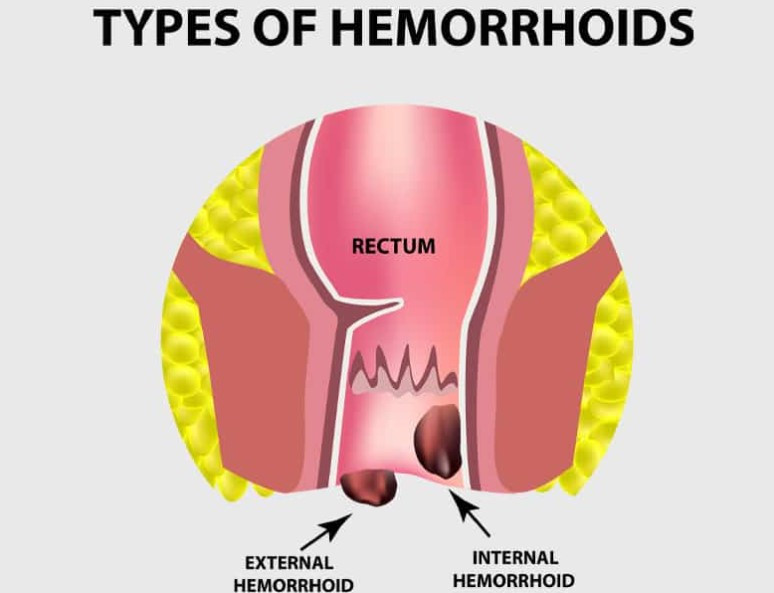
Haemorrhoids develop when blood vessels around the anus or lower rectum become swollen and irritated. Common contributing factors include chronic constipation, straining during bowel movements, prolonged sitting on the toilet, pregnancy, and insufficient dietary fibre. Symptoms may involve itching, discomfort, swelling, and bright red bleeding during bowel movements. Some people experience internal haemorrhoids, while others develop external ones that can become particularly uncomfortable. Persistent bleeding should never automatically be attributed to haemorrhoids because other digestive or intestinal conditions can produce similar symptoms. Medical assessment helps identify the actual cause.
Ayurvedic Treatment for Haemorrhoids and Traditional Care
Traditional Ayurveda describes several approaches to managing conditions associated with haemorrhoids. The subject of Ayurvedic treatment for haemorrhoids may include dietary recommendations, herbal preparations, lifestyle modifications, and specific traditional procedures such as Kshara Karma. The suitability of these methods depends on the individual's condition and requires assessment by a qualified practitioner. However, scientific evidence for many traditional interventions remains limited, and procedural treatments can involve risks. Medical evaluation is especially important when bleeding, severe pain, or persistent swelling occurs. Conventional options may include medication, minimally invasive procedures, or surgery when clinically necessary.
The Importance of Diet and Daily Lifestyle Habits
Dietary habits can influence digestive health and bowel regularity, making them relevant to haemorrhoid management. Fibre-rich foods such as vegetables, fruits, whole grains, and legumes can help soften stools and reduce straining. Drinking adequate water and maintaining regular physical activity may also support healthy digestion. For people managing psoriasis, identifying individual triggers can be useful, although dietary restrictions do not cure the condition. Balanced nutrition, sufficient sleep, stress management, and appropriate exercise can contribute to general well-being. Any major dietary changes should consider existing health conditions and professional recommendations.
Why Individualised Medical Assessment Matters
Psoriasis and haemorrhoids differ in their causes, symptoms, and treatment requirements. Therefore, a single treatment approach cannot be expected to work equally well for every individual. Psoriasis management may involve prescribed topical medicines, phototherapy, or systemic treatments depending on disease severity. Haemorrhoid care may begin with fibre supplementation, hydration, and other conservative measures before considering medical procedures. Traditional therapies should be discussed openly with healthcare professionals, particularly when prescription medicines are already being used. Accurate diagnosis, regular monitoring, and appropriate treatment adjustments are essential for reducing complications.
Combining Traditional Knowledge with Responsible Healthcare Decisions
Traditional healthcare practices can provide an additional perspective on lifestyle and personal wellness, but treatment decisions should be guided by reliable medical information. Herbal ingredients are not automatically safe simply because they are natural. Their concentration, preparation, quality, and possible interactions can influence their effects. Patients should check product ingredients and avoid stopping prescribed medication without consulting their treating clinician. Qualified practitioners can help evaluate whether complementary approaches are appropriate alongside conventional care. This balanced perspective encourages informed decisions while keeping safety, realistic expectations, and individual medical requirements at the centre of healthcare planning.
Conclusion: Making Informed Choices for Long-Term Wellness
Managing psoriasis and haemorrhoids requires patience, appropriate diagnosis, and a treatment plan suited to individual needs. Traditional Ayurvedic principles may offer complementary perspectives on nutrition, daily routines, and supportive care, but they should not replace established medical treatments without professional advice. For additional information about Ayurvedic healthcare approaches and available services, Ayur Healthcare provides a point of reference for individuals exploring traditional wellness options. Consulting qualified healthcare professionals, understanding treatment limitations, and maintaining healthy lifestyle habits can support better long-term management and more informed healthcare decisions.
Social Media Details:-
