Uncovering Climate Patterns Through Advanced Weather Sensors
Author : Touqeer Abbas | Published On : 31 Oct 2026
Introduction
Understanding climate patterns has become more important than ever. Changes in temperature, rainfall, wind speed, humidity, and atmospheric pressure affect agriculture, renewable energy, construction, water resources, and daily life. As weather conditions continue to change, accurate environmental data helps people understand what is happening and prepare for future challenges. This is where advanced weather sensors play an important role. These devices collect real-time information about the atmosphere and surrounding environment, helping researchers, businesses, and communities make informed decisions. By measuring different weather conditions, modern monitoring systems can reveal patterns that may not be easy to notice through basic observation.
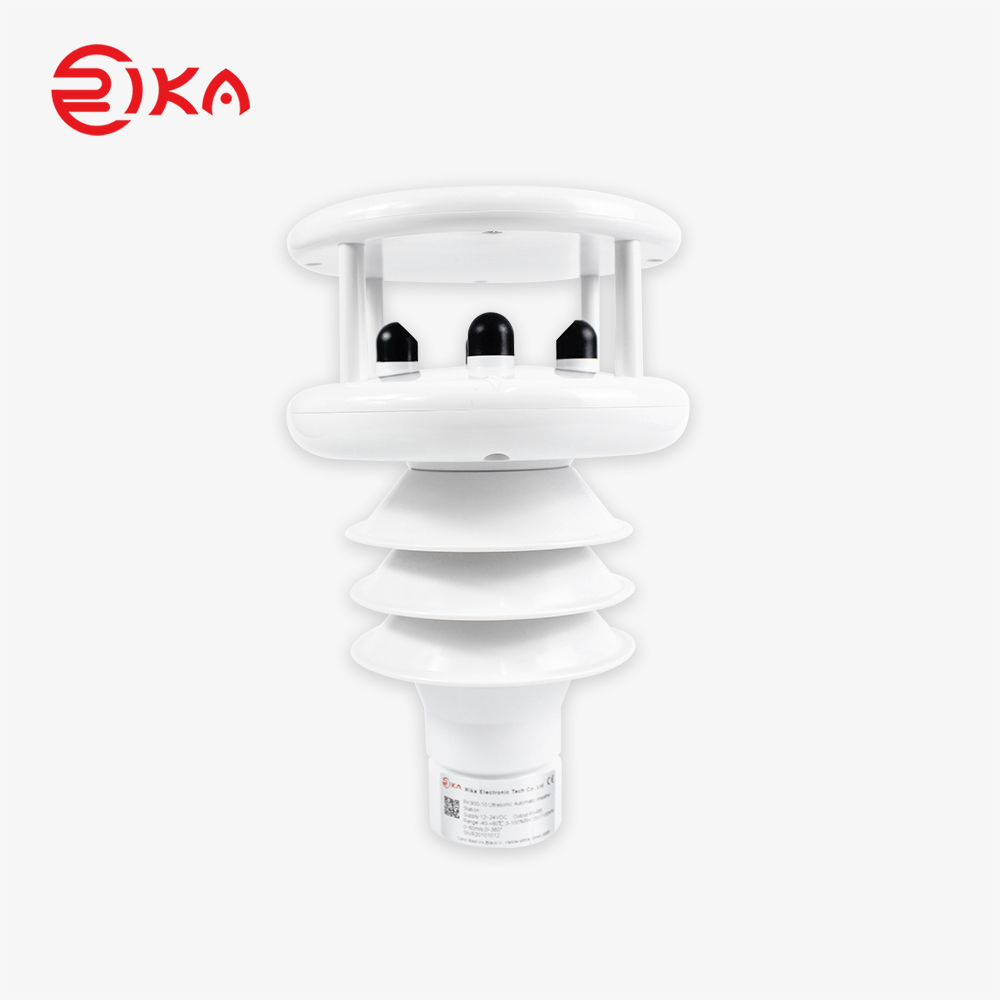
Rika Sensor is an experienced manufacturer and solution provider in environmental and weather monitoring technology. With more than 15 years of industry experience, Hunan Rika Electronic Tech Co., Ltd. provides weather stations, weather sensors, and monitoring instruments for different applications worldwide. Its product range includes anemometers, barometers, thermometers, rain gauges, soil sensors, and water sensors. These solutions support accurate data collection for agricultural research, coastal monitoring, green buildings, and renewable energy projects. By combining reliable instruments with practical monitoring solutions, Rika Sensor helps customers better understand environmental conditions and uncover important climate patterns.
Understanding How Weather Sensors Reveal Climate Patterns
Weather sensors are designed to measure different environmental conditions and turn them into useful information. Temperature sensors record changes in air temperature, while humidity sensors measure the amount of moisture in the air. Wind speed and direction sensors help identify airflow patterns, and rain gauges measure precipitation over a specific period. Barometers track atmospheric pressure, which can provide useful information about changing weather systems. When these measurements are collected over time, they create a detailed picture of local weather conditions. This information helps users identify seasonal changes, unusual weather events, and long-term environmental trends.
Modern weather monitoring systems make it easier to collect and analyze environmental data from different locations. Instead of depending only on occasional manual measurements, users can install automatic weather stations that continuously record important weather information. These systems can help identify changes in rainfall distribution, temperature levels, wind behavior, and humidity patterns. Reliable data is especially useful when studying climate variations across different regions. Rika Sensor offers a range of monitoring instruments that can support these needs, helping customers select suitable equipment for their specific environmental projects. Accurate measurements provide a stronger foundation for research, planning, and better decisions.
The Role of Advanced Weather Monitoring in Climate Research
Climate research depends on consistent and accurate environmental measurements. Scientists need reliable information to study how weather conditions change over months, years, and longer periods. Advanced weather sensors provide important data that can help researchers understand temperature trends, rainfall patterns, wind behavior, and changes in atmospheric pressure. When measurements are gathered from multiple locations, they can also help reveal differences between local climates and larger regional patterns. This information supports environmental studies, weather forecasting, climate risk assessment, and research into changing ecosystems. High-quality monitoring equipment is therefore an important part of understanding how the Earth's environment responds to natural and human influences.
Automatic weather stations can improve the quality and availability of data by recording measurements at regular intervals. Depending on the system configuration, information can be stored, transmitted, and reviewed through suitable monitoring software or data collection equipment. This allows researchers and project managers to compare environmental conditions across different locations and time periods. Rika Sensor provides weather instruments and customized monitoring solutions for customers with different technical requirements. Physical properties, electrical input and output, and package configurations are considered when developing products for specific applications. This flexible approach helps support projects that need dependable environmental measurements under different operating conditions.
Applications of Weather Sensors in Agriculture and Renewable Energy
Agriculture is one of the most important fields benefiting from advanced weather monitoring technology. Farmers depend on weather conditions to plan irrigation, planting, harvesting, and crop protection. Temperature, humidity, rainfall, wind speed, and soil moisture measurements can provide useful information about growing conditions. For example, soil sensors help monitor moisture levels around plant roots, while rain gauges show how much rainfall an area receives. Temperature and humidity data can also help farmers understand conditions that may affect crop growth and plant health. By using accurate weather information, agricultural professionals can manage resources more carefully, reduce unnecessary water use, and make better decisions throughout the growing season.
Renewable energy projects also rely on accurate environmental measurements. Solar energy systems need information about sunlight and temperature to evaluate operating conditions and system performance. Wind energy projects use anemometers and wind direction sensors to study wind resources and identify suitable installation locations. Weather monitoring can also support green building performance assessments by tracking indoor and outdoor environmental conditions. Rika Sensor supplies monitoring instruments used in renewable energy, agricultural, and building-related applications. Its product range allows customers to select suitable sensors for different project requirements. Reliable environmental information helps businesses evaluate site conditions, improve planning, and understand how weather patterns may influence equipment performance.
Choosing Reliable Weather Sensors for Accurate Environmental Data
Selecting the right weather monitoring equipment is essential for collecting useful and dependable information. Before choosing a sensor, users should consider the environmental factors they need to measure, the expected measurement range, accuracy requirements, installation location, and operating conditions. Sensor durability is another important consideration, especially for equipment installed outdoors and exposed to rain, sunlight, dust, and changing temperatures. Electrical output, communication options, power requirements, and package configuration should also match the monitoring system. Choosing suitable equipment from the beginning can help reduce maintenance problems and improve the quality of collected environmental data.
Working with an experienced manufacturer can make the selection process easier. Rika Sensor has more than 15 years of experience in environmental monitoring and supplies products to customers in over 100 countries and regions. The company offers standard weather instruments as well as customized products designed to meet specific customer requirements. Its professional sales team, technical support, product quality, and after-sales service help customers find practical solutions for different monitoring applications. Whether a project requires a complete weather station, an individual anemometer, a rain gauge, or specialized soil and water sensors, selecting equipment based on actual project needs is important for long-term performance and dependable measurements.
Conclusion
Advanced weather sensors have changed the way people understand and monitor environmental conditions. By collecting accurate information about temperature, humidity, rainfall, wind speed, atmospheric pressure, soil moisture, and other important factors, these instruments help uncover climate patterns and support better decision-making. Their applications extend across agriculture, renewable energy, green buildings, coastal research, and environmental science. With continuous monitoring and reliable data collection, businesses and researchers can identify changing conditions, evaluate environmental risks, and plan more effectively for the future. As climate awareness continues to grow, dependable weather monitoring technology will remain an important tool for understanding our changing environment.
Rika Sensor is committed to providing high-quality weather sensors, weather stations, and environmental monitoring solutions for customers around the world. Backed by more than 15 years of manufacturing experience, a broad product range, customization capabilities, and technical support, the company works to meet the needs of different industries and monitoring projects. Its products support applications ranging from agricultural monitoring to renewable energy performance and coastal research. For organizations looking to improve environmental data collection, choosing reliable instruments is an important first step. Rika Sensor aims to be a trusted business partner by delivering practical products and monitoring solutions that help customers uncover climate patterns with greater confidence
