Triple T Power Industries Served: Supporting Reliable Energy Solutions
Author : triplet power | Published On : 24 Nov 2026
Power Systems Across Different Industries
Electricity is one of the most important requirements for modern businesses, yet its importance often becomes noticeable only when something goes wrong. Manufacturing facilities, commercial buildings, healthcare institutions, and other operations depend on reliable electrical infrastructure every day. Even a short interruption can affect productivity, equipment performance, and business continuity. This is why understanding triple t power industries served is important when evaluating power solutions. Different industries have different electrical requirements, operating conditions, and reliability expectations. Selecting suitable equipment and services requires an understanding of these differences rather than relying on a single approach.
Understanding Industrial Power Requirements
Every industry uses electricity differently, which makes power planning an important part of daily operations. A manufacturing facility may require continuous energy for heavy machinery, while a commercial property needs dependable electrical systems for lighting, heating, cooling, and office equipment. The triple t power approach to industrial requirements involves considering how electrical infrastructure supports specific business activities. Equipment capacity, energy demand, maintenance requirements, and operational conditions all influence purchasing decisions. Businesses that understand their actual requirements can make more practical choices and avoid investing in systems that do not match their needs.
Manufacturing And Production Facilities
Manufacturing operations depend heavily on electrical equipment to maintain production schedules and consistent output. Industrial motors, automated machinery, control panels, and production lines all require appropriate electrical support. Unexpected power interruptions may cause unfinished production cycles, equipment shutdowns, and unnecessary operational expenses. Electrical systems must therefore be selected according to machinery specifications and expected workloads. Another important consideration involves the environment where equipment operates. Dust, vibration, temperature changes, and continuous usage can affect electrical performance. Proper planning helps manufacturing businesses maintain dependable operations while supporting equipment safety and long-term efficiency.
Commercial Buildings And Business Operations
Commercial buildings have electrical requirements that extend beyond basic lighting and office equipment. Shopping centers, warehouses, hotels, restaurants, and corporate offices require dependable power for several systems operating simultaneously. Air conditioning, security equipment, elevators, computers, and communication networks all contribute to overall electricity demand. Businesses exploring triple t power solutions should consider how electrical infrastructure supports daily activities and customer experiences. An appropriately planned system can help reduce avoidable interruptions and improve operational management. Commercial properties also benefit from regular inspections because electrical components experience wear as usage increases over time.
Healthcare And Essential Services
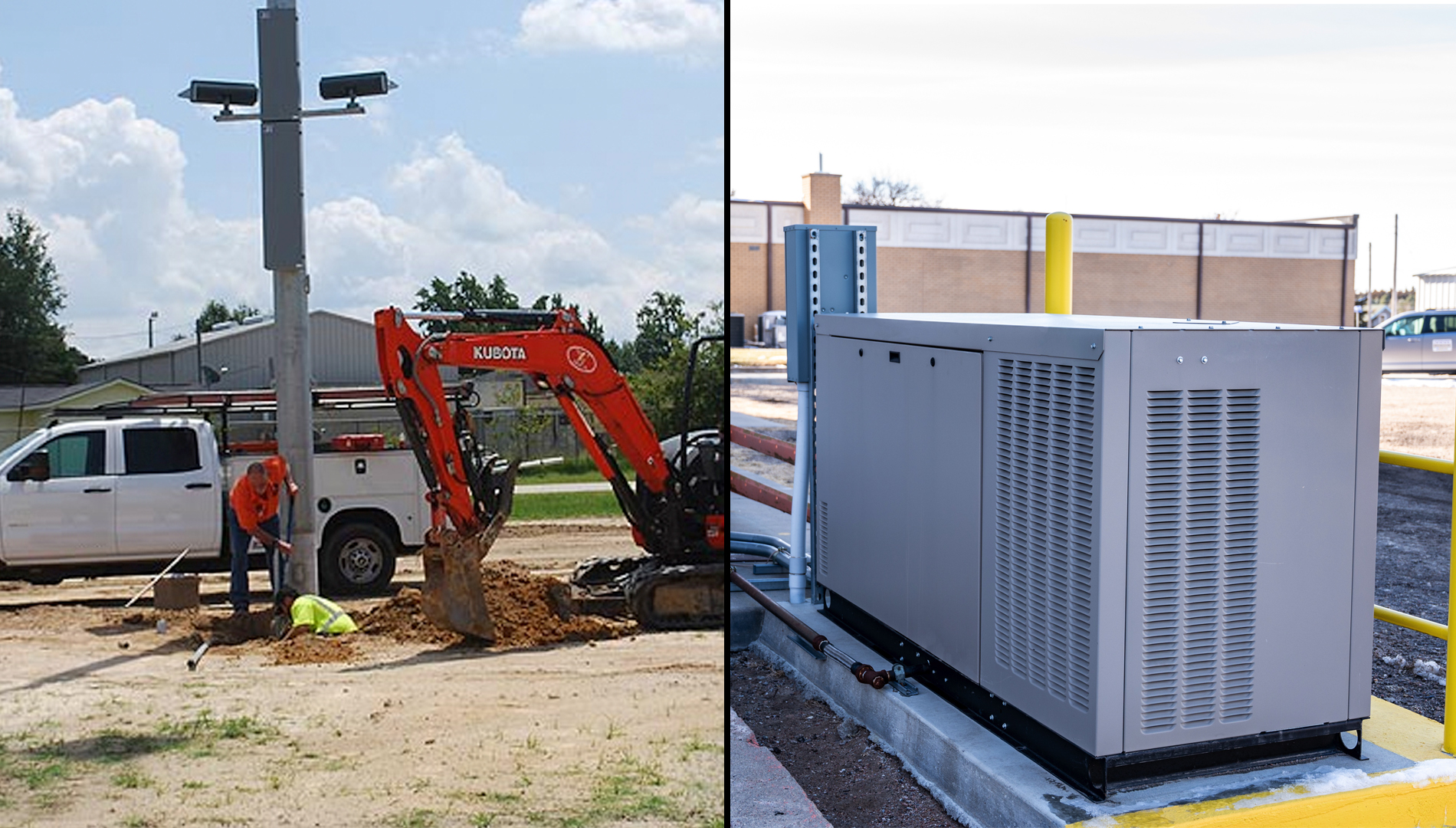
Healthcare facilities require particularly careful electrical planning because many essential activities depend on uninterrupted power. Hospitals, laboratories, clinics, and diagnostic centers operate medical equipment that needs consistent electrical support. Lighting, refrigeration, monitoring systems, and emergency equipment must remain dependable during normal operations. Backup power arrangements can also become important when unexpected interruptions occur. Electrical planning should consider equipment priorities, applicable safety requirements, and the consequences of system failure. Healthcare administrators need to evaluate their electrical infrastructure carefully because reliable power contributes directly to maintaining essential services and supporting daily patient care activities.
Infrastructure And Industrial Applications
Infrastructure projects often involve complex electrical requirements that change according to project size and operating conditions. Transportation facilities, construction sites, water treatment plants, and public utility operations use electrical systems for essential functions. These environments may require equipment designed for demanding workloads and challenging installation conditions. Understanding triple t power industries served helps explain why different applications require different electrical considerations. For example, a construction project may need temporary power arrangements, while a water treatment facility requires dependable support for pumps and control systems. Proper equipment selection can improve reliability throughout the operational lifecycle.
Data Centers And Technology Facilities
Technology businesses depend on electricity to maintain digital services, communication networks, and information storage. Data centers operate servers, cooling equipment, networking hardware, and security systems that require consistent electrical support. Even a brief interruption can affect business applications and important digital operations. Electrical infrastructure should therefore account for capacity planning, backup arrangements, heat management, and future expansion. Technology facilities also need to consider increasing energy requirements as computing operations grow. Regular maintenance and careful system monitoring help identify possible problems before they create significant operational difficulties for businesses.
Why Equipment Selection Matters
Choosing electrical equipment involves more than comparing prices or selecting products with impressive specifications. Businesses need to understand their actual energy requirements, operating environment, installation limitations, and maintenance expectations. Incorrect equipment selection can create unnecessary expenses and affect system performance. Professional evaluation can help identify suitable capacities and installation requirements before purchasing decisions are finalized. Another important factor involves future business growth. Electrical systems should allow reasonable flexibility when additional machinery, workspaces, or technology equipment becomes necessary. Careful planning supports better investment decisions and reduces the possibility of repeated infrastructure changes.
Maintenance And Long-Term Performance
Electrical infrastructure requires regular attention to maintain dependable performance throughout its service life. Components can experience wear because of heavy workloads, environmental conditions, and ordinary aging. Inspections help identify loose connections, damaged cables, overheating components, and other potential concerns. Maintenance schedules should reflect equipment specifications and actual operating conditions rather than following assumptions. Businesses also benefit from maintaining service records because these documents help track repairs, replacements, and recurring problems. A proactive maintenance approach can reduce unexpected interruptions while supporting workplace safety and helping organizations manage their electrical infrastructure more effectively.
Conclusion
Reliable electrical infrastructure supports productivity, workplace safety, and long-term business development across many sectors. Every industry has different requirements, making careful equipment selection and proper maintenance essential parts of successful power management. Understanding operational demands allows organizations to evaluate available solutions with greater confidence and make informed investment decisions. For additional information about industrial power services, equipment, and relevant business applications, tripletpower.com offers another resource worth exploring. Businesses should review their electrical requirements, consider future expansion, and seek appropriate technical guidance before making important infrastructure decisions. Taking these steps can help establish dependable systems that support changing operational needs.
