Tree Removal Decisions: What Should You Consider?
Author : Bilzerian tree | Published On : 27 Oct 2026
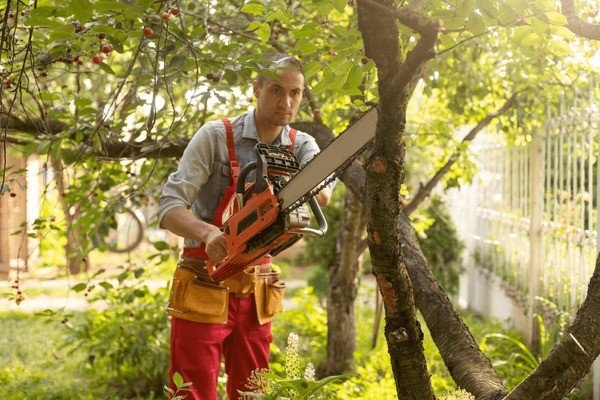
Trees add shade, beauty, and character to a property. However, a damaged, unstable, or poorly placed tree can also create safety concerns. Before choosing a tree removal service, it helps to look at the tree's condition, location, and effect on the surrounding area. A tree that looks unhealthy may still recover with proper care, while a tree with hidden damage may pose a serious risk. The right decision starts with a careful assessment, not a quick guess. For property owners on Martha's Vineyard, where trees are part of the natural landscape, finding the right balance between safety and preservation is especially important.
Start With the Tree's Condition
The first step is to look at the tree itself. Does it have broken branches, deep cracks, a leaning trunk, or large areas of dead wood? These signs may point to a problem that needs attention. However, one warning sign does not always mean the tree must come down.
Some trees lose leaves due to seasonal changes, dry weather, or other temporary conditions. Others may suffer from disease, decay, or damage that affects their strength. A tree can also have internal decay that is not easy to spot from the ground.
Take note of any changes you have seen over time. Has the tree started leaning more than before? Have large branches fallen without a clear reason? Is the trunk showing new cracks? These details can help a tree care professional assess the situation.
A careful review can help determine whether pruning, ongoing care, or removal is the best option.
Consider What Is Around the Tree
A tree's condition is only part of the decision. Its location also matters. A weak branch over an open lawn may present a different level of risk than one hanging over a home, driveway, or walkway.
Think about how the space is used every day. Do children play nearby? Do vehicles park under the branches? Is the tree close to a fence, shed, or other structure? Could a falling branch block a path or damage nearby property?
These questions help put the risk into context. A tree does not need to be removed simply because it stands near a building. Regular pruning may reduce some risks, depending on the tree's condition. However, severe trunk damage or major root failure may call for more serious action.
Property owners should also consider access. Trees close to buildings, power lines, and narrow spaces can be difficult to remove safely. Such work calls for proper planning and suitable equipment.
When Is Removal the Better Choice?
Not every tree problem can be fixed with pruning. In some cases, removal may be the safer and more practical option. The key is to know when the risks outweigh the benefits of keeping the tree.
A professional assessment can help identify the right course of action. If Tree Removal hazardous conditions are present, such as major structural damage, severe decay, or a risk of falling, prompt attention may be needed. A tree that has suffered storm damage may also require an urgent inspection, especially if large limbs are hanging loose or the trunk has split.
Removal may be worth considering when:
-
The trunk has major cracks or signs of serious decay.
-
Large branches are dead, broken, or at risk of falling.
-
The tree has lost stable root support.
-
Storm damage has left the tree badly weakened.
-
The tree is dead and may become less stable over time.
-
Repeated damage cannot be managed through suitable pruning.
-
The tree's condition creates a clear risk to people or nearby property.
These signs are reasons to seek an assessment, not a substitute for one. If a tree is leaning suddenly, has exposed or lifted roots, or has split after a storm, keep people away from the area. Do not try to cut large damaged branches yourself. If the tree or branches are near power lines, stay clear and contact the appropriate utility provider.
Can Pruning Save the Tree?
Before removing a tree, ask whether it can be kept through proper care. Pruning can remove dead or damaged branches, improve the tree's shape, and reduce some risks. It may also help manage branches that interfere with nearby structures.
However, pruning has limits. It cannot fix every form of trunk decay, restore badly damaged roots, or make a severely unstable tree safe. Cutting too much at once can also put extra stress on a tree.
The aim should be to keep the tree healthy when that is practical and safe. A skilled tree care professional can review the branches, trunk, root area, and growing conditions before suggesting a solution.
This is also a good time to ask questions. Which parts of the tree are causing concern? Can the affected branches be removed without harming the rest of the tree? Will the proposed work address the main risk, or is the problem more serious?
Clear answers make it easier to choose the right service and avoid work that may not solve the actual problem.
Think About Roots, Soil, and Nearby Plants
The visible parts of a tree do not tell the whole story. Roots help anchor the tree and absorb water and nutrients. Problems below the surface can affect the tree's stability, even when the trunk and leaves look healthy.
Changes in the ground around a tree deserve attention. Raised soil, exposed roots, or soil that has shifted near the base may point to a problem. Recent digging, construction, or changes in drainage can also affect root health.
Roots may extend well beyond the branches, so digging or cutting near a tree can cause damage even when the trunk is untouched. If a tree is close to a driveway, foundation, garden, or underground service, the proposed work should take these factors into account.
Removing a tree can also change the amount of sunlight and shade in the yard. Nearby plants may receive more direct sun, and the ground may dry out at a different rate. Planning ahead can help property owners decide what to do with the space after the work is complete.
Plan the Work Before Making a Final Decision
Once the need for removal is clear, the next step is to plan the job. The size of the tree, its condition, nearby structures, access to the site, and the space available for equipment can all affect how the work is carried out.
A good conversation with a tree care company should cover more than the removal itself. Ask what the job includes, how nearby areas will be protected, and what will happen to the branches and trunk after cutting. If you also need stump grinding, brush clearing, or help with the surrounding land, ask whether these tasks can be planned as part of the same project.
For property owners, a few practical questions can make the process easier:
-
What is included in the estimate? Confirm the work covered and ask about any extra charges.
-
Will the stump remain? Stump grinding may be available if you want to reclaim the space.
-
How will the site be left? Discuss the handling of branches, wood, and other debris.
-
Could nearby plants or structures be affected? Ask how the work area will be managed.
-
Do local rules apply? Check whether permits or other approvals are needed before work begins.
-
What should happen next? Discuss any grading, reseeding, or other property work needed after removal.
Clear planning helps prevent confusion and sets realistic expectations. It also gives the property owner a better idea of how the finished space can be used.
Look Beyond the Immediate Problem
Tree removal can affect more than one part of a property. A tree may provide shade during summer, screen a neighbouring view, or add privacy near a home. Removing it may solve a safety concern, but it can also change how the yard looks and feels.
Consider the longer-term plan before the work begins. Would another suitable tree fit the space? Could the cleared area become a lawn, garden, driveway entrance, or open yard? Does the property need grading or additional clearing after the tree is removed?
Not every site needs new planting or extra work. The best choice depends on the owner's plans, the soil, the available space, and the needs of the surrounding landscape.
It is also worth considering the value of keeping healthy trees. They add character to a property and provide shade and habitat. When a tree can remain safely with proper care, preservation may be the better choice. When removal is necessary, planning for the space afterward helps the property continue to serve its purpose.
Final Remarks
A tree removal decision should not begin and end with a chainsaw. It should begin with a clear view of the problem, a fair look at the alternatives, and a plan for the property once the work is done.
Bilzerian Tree and Land Services serves Martha's Vineyard and surrounding areas with tree care, land clearing, excavation, stump grinding, and property maintenance services. Its range of services can help property owners consider the wider needs of a site, whether the goal is to address a damaged tree, clear overgrown land, or prepare an area for future use.
For homeowners, the most useful first step is to discuss the tree's condition and the reason for concern. A sound decision protects people and property while respecting the trees that still add value to the landscape. With careful planning and the right professional help, tree removal can become part of a safer, more usable, and better-managed outdoor space.
