Travertine Restoration and Tile Repair for Lasting Melbourne Floors
Author : Melbourne Tile Tech | Published On : 21 Aug 2026
Restoring Worn Travertine Surfaces with Professional Care
A polished stone floor can transform a room instantly, yet years of foot traffic can quietly dull its natural character. Travertine Restoration Melbourne offers a practical way to revive worn surfaces while preserving the distinctive patterns that make travertine appealing. Restoration generally involves assessing damage, deep cleaning, grinding, honing, polishing, and sealing according to the stone’s condition. The main point is that professional restoration is not simply cosmetic maintenance; it can improve appearance, surface consistency, and long-term usability. Understanding each stage helps property owners make informed decisions before minor wear develops into expensive deterioration.
Understanding Travertine and Its Natural Characteristics
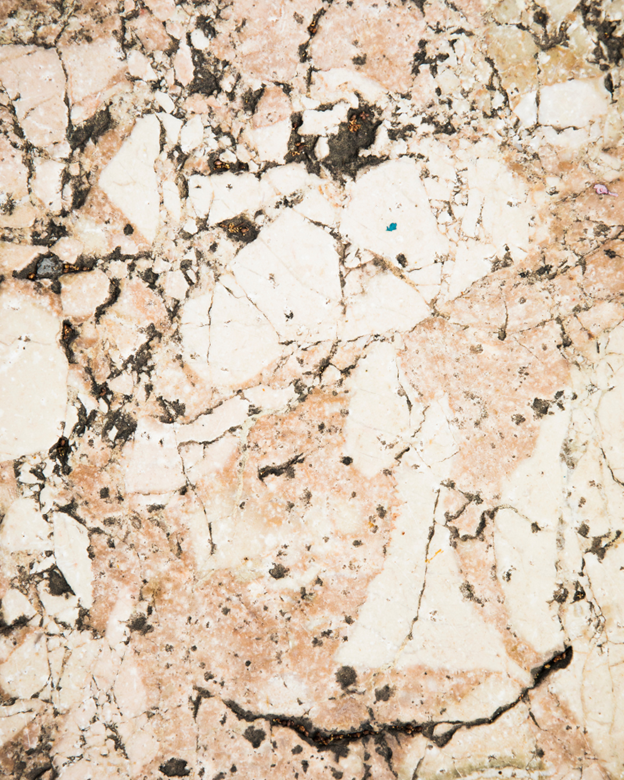
Travertine is naturally porous and contains small holes, veins, and variations that contribute to its character. Without suitable care, these features can collect dirt, moisture, and residues, making the floor appear uneven or tired. Restoration begins with identifying the stone type, finish, stains, scratches, chips, and areas affected by previous treatments. This assessment matters because aggressive cleaning or unsuitable chemicals can damage the surface. A carefully planned process targets specific problems rather than applying one treatment everywhere. The result is a more balanced finish that respects the stone’s natural structure and condition.
Grinding for Uneven and Heavily Worn Stone
Grinding is often selected when travertine has noticeable lippage, deep scratches, etching, or uneven areas that routine cleaning cannot correct. Specialist diamond abrasives gradually remove a controlled layer from the surface, creating a flatter foundation for later honing and polishing. The amount of material removed depends on the severity of damage and the desired finish. Precision is important because excessive grinding can unnecessarily reduce the stone’s surface. Once the floor becomes even, progressively finer abrasives can refine its texture. This preparation creates the foundation for a consistent appearance and smoother maintenance.
Repairing Damaged Tiles Before Problems Spread
Damaged tiles can create more than an unattractive appearance, particularly when cracks, loose sections, or chipped edges affect frequently used areas. Tile Repair Melbourne can address localized problems without automatically requiring replacement of an entire floor. Repair methods vary according to the material, damage, location, and underlying surface. Small chips may be filled and blended, while severely damaged pieces may need careful removal and replacement. Prompt attention can prevent moisture and debris from entering vulnerable areas. Matching the repair with surrounding tiles is equally important for achieving a visually cohesive and durable result.
Choosing the Right Finish for Each Interior
After grinding or repairs, honing can help create a smooth, refined surface while controlling the level of sheen. Polishing may then be used when a brighter, more reflective finish is appropriate for the property. Different finishes suit different spaces, so the goal is not always maximum shine. A honed surface, for example, may provide a softer appearance and practical visual character, while polished travertine can create a more formal impression. Careful finishing also highlights natural colour variations without making the stone look artificial. Choosing the right finish supports both design preferences and everyday design.
Protecting Travertine Through Effective Sealing
Sealing is an important part of protecting porous stone after restoration. A suitable sealer can reduce the penetration of spills, oils, and everyday contaminants, although it does not make travertine completely stain-proof. Preparation must be thorough because residue, moisture, or uneven surfaces can affect how a sealer performs. The appropriate product depends on the stone, finish, location, and expected traffic. Regular cleaning with stone-safe products also supports the protective treatment. Avoiding acidic cleaners is especially important because substances such as vinegar or harsh bathroom products can etch calcium-based natural stone surfaces.
Maintaining Restored Floors for Longer Performance
Well-maintained travertine can remain attractive for many years when routine care follows the restoration process. Dust and loose grit should be removed regularly because abrasive particles can contribute to surface wear under foot traffic. Spills should be addressed promptly, especially in kitchens, bathrooms, entrances, and commercial environments. Soft cleaning tools and pH-neutral stone cleaners are generally preferable to harsh chemicals. Periodic professional assessment can identify dullness, worn sealing, small chips, or developing surface problems before they become extensive. Consistent maintenance therefore protects the investment while preserving the texture, colour, and distinctive character of travertine.
Making Restoration a Practical Long-Term Investment
Restoring natural stone is most effective when appearance, performance, and future maintenance are considered together rather than treated as separate concerns. Property owners can benefit from professional advice when surfaces show persistent staining, unevenness, scratches, chips, or fading that ordinary cleaning cannot resolve. A carefully selected restoration process can refresh the floor while addressing practical weaknesses and extending its useful life. For Melbourne properties, Melbourne Tile Tech provides specialist tile and stone services, with further information available through melbournetiletech com au. Choosing experienced workmanship can help preserve natural stone’s character and support a durable finish.
