Transparency Mandate: How Traceability Tools Build Consumer Trust
Author : Jimmy Patel | Published On : 24 Sep 2026
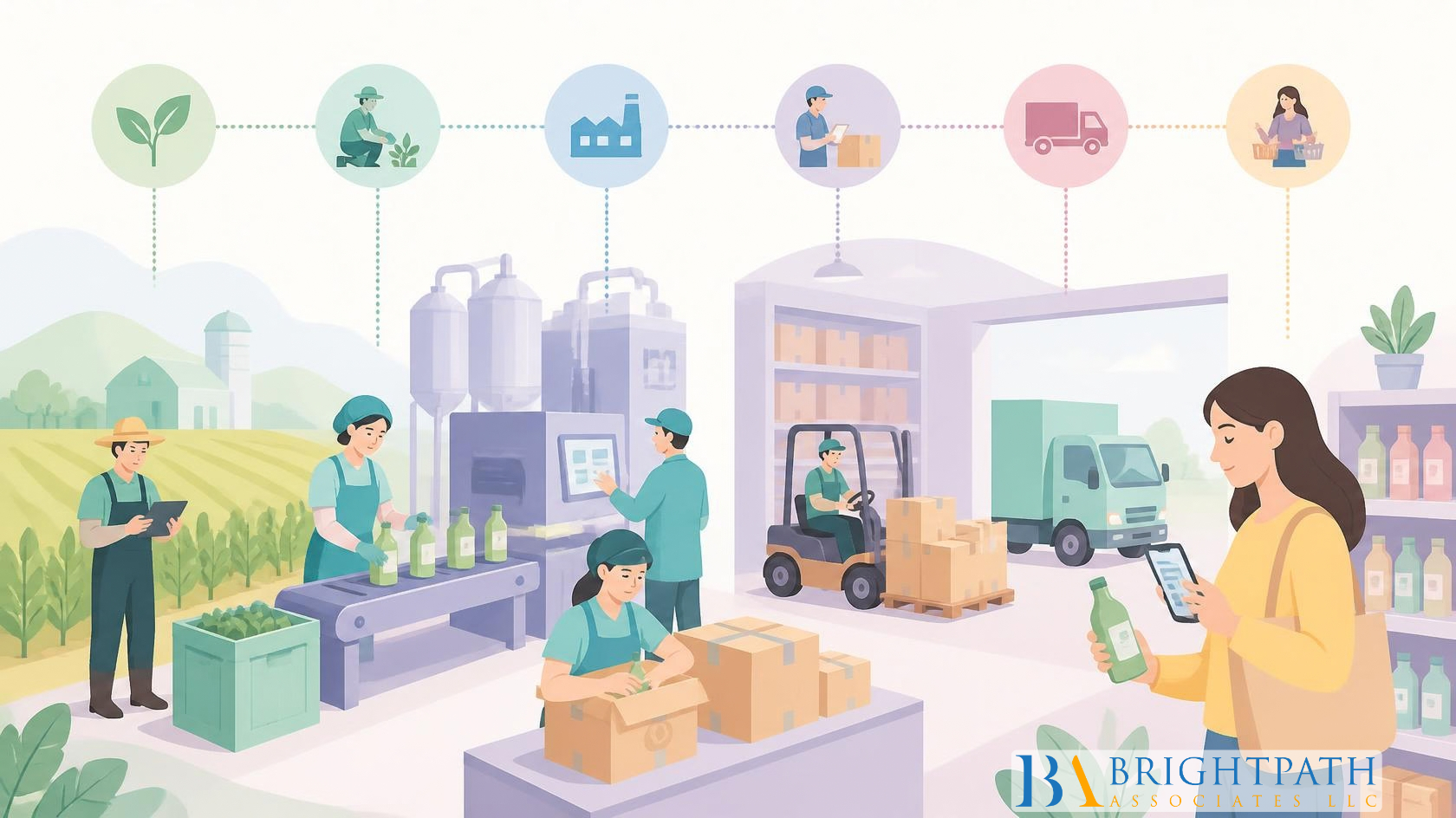
In modern manufacturing, transparency is becoming more than a compliance requirement—it is increasingly a competitive advantage. Customers, regulators, supply chain partners, and business leaders all want greater visibility into how products are made, where materials originate, and whether quality and sustainability standards are being maintained.
For manufacturers, especially small and mid-sized companies, answering these questions requires more than spreadsheets and manual documentation. It requires connected systems capable of collecting, organizing, and communicating operational information throughout the production lifecycle. This is where industrial automation and traceability technologies are becoming closely connected.
As factories adopt sensors, connected machinery, machine vision, industrial software, and data analytics, they are gaining new opportunities to create reliable digital records of production activity. The result is a manufacturing environment where transparency can become embedded directly into operational processes.
Why Traceability Has Become a Strategic Priority
Traceability refers to the ability to track materials, components, processes, and finished products through different stages of production and distribution. Traditionally, this information was often maintained through paper records, spreadsheets, batch documentation, or disconnected databases.
While these methods may work for smaller operations, they become increasingly difficult to manage as production volumes, product variations, suppliers, and regulatory expectations increase. Automated traceability changes this equation. Production systems can capture information directly from equipment and processes, creating a more consistent record of what happened, when it happened, and under which conditions.
For leadership teams, this information can support faster investigations, more effective quality management, and stronger supply chain visibility. For customers, it can provide greater confidence that the products they purchase meet stated standards. The broader implications of this shift are explored in BrightPath Associates' analysis of how traceability tools can strengthen consumer confidence and organizational transparency.
Industrial Automation Creates the Infrastructure for Transparency
Traceability works best when data is captured automatically rather than relying heavily on manual intervention. Industrial automation provides much of the infrastructure required to make this possible.
Connected sensors can collect information about temperature, pressure, production speed, equipment status, and other operational conditions. PLCs and control systems can record process events, while SCADA platforms can provide real-time visibility into production activities.
Machine vision can add another layer by inspecting products and recording quality information at high speed. When these technologies are integrated with manufacturing execution systems and enterprise platforms, organizations can create a connected information flow from the production floor to management.
This makes traceability less of a separate administrative function and more of an integral component of manufacturing operations. Companies exploring these technologies can learn more about the evolving Industrial Automation Industry and the leadership capabilities required to manage increasingly connected industrial environments.
From Compliance Exercise to Business Intelligence
One of the most important developments in traceability is the transition from recordkeeping to business intelligence. A traceability system can answer basic questions such as where a component came from or which production batch contained a particular material. But when production information is connected across multiple systems, the same data can provide deeper operational insights.
For example, manufacturers may identify recurring quality problems associated with specific machines, shifts, suppliers, or production conditions. Managers can examine historical data to determine whether equipment performance is affecting product consistency.
This creates an important feedback loop. Traceability data does not simply document what happened; it can help organizations understand why it happened. For small and mid-sized manufacturers, this capability can be particularly valuable. Instead of investing solely in additional production capacity, companies can use existing operational data to uncover inefficiencies, reduce waste, and improve decision-making.
Building a Traceability-Ready Organization
The transition toward automated traceability does not necessarily require manufacturers to transform every process simultaneously.
A practical approach can begin with identifying the production stages where visibility would create the greatest business value. Organizations can then determine what data is currently available, where information gaps exist, and which systems can be connected.
From there, manufacturers can establish common data standards and gradually integrate equipment, quality systems, production platforms, and enterprise applications. As automation becomes increasingly data-driven, companies may also need to reassess their leadership and talent requirements.
The human side of the transformation should receive equal attention. Employees need training to understand new systems, while managers need the analytical capabilities required to interpret the resulting information.
Conclusion: Transparency Is Becoming an Operational Capability
Traceability is evolving from a documentation function into an important component of modern industrial strategy. Connected automation systems can help manufacturers capture reliable production information, improve quality visibility, strengthen supply chain accountability, and respond more effectively to customer expectations.
The organizations that benefit most will not necessarily be those that collect the largest volume of data. They will be those that connect meaningful data with sound processes, strong governance, capable technology, and effective leadership.
As industrial automation continues to evolve, transparency, traceability, and leadership will increasingly intersect. Companies that recognize this connection can position themselves to build more visible, accountable, and resilient operations. To explore the broader role of traceability, transparency, and technology in modern business, read BrightPath Associates' Transparency Mandate: How Traceability Tools Build Consumer Trust.
