Transparency and Trust: Implementing Blockchain in Dairy Supply Chain
Author : Alyssa Miller | Published On : 22 Apr 2026
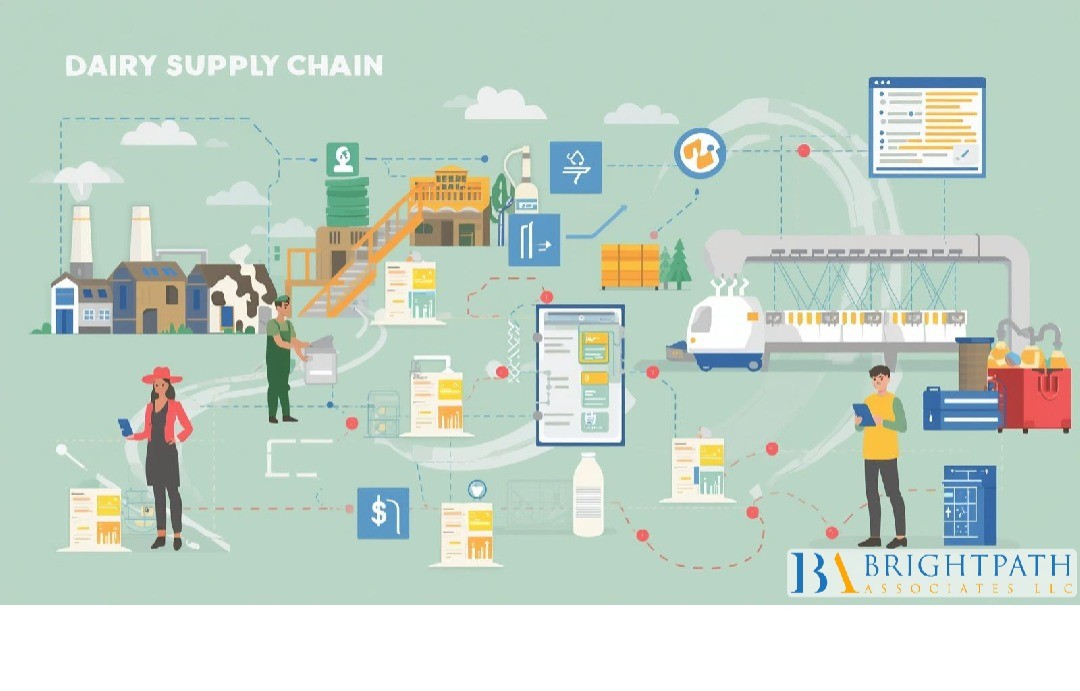
In today’s increasingly complex food ecosystem, transparency is no longer a luxury—it’s a necessity. Consumers, regulators, and stakeholders are demanding greater visibility into how dairy products are sourced, processed, and delivered. This growing demand is pushing the Dairy Industry toward digital transformation, with blockchain emerging as one of the most promising technologies to address long-standing challenges in trust, traceability, and efficiency.
At its core, blockchain is a decentralized digital ledger that records transactions securely and transparently. Unlike traditional systems where data is siloed and prone to manipulation, blockchain creates a shared, immutable record accessible to all stakeholders. In the context of the dairy supply chain, this means every stage—from farm to processing plant to distribution—can be tracked and verified in real time. This level of transparency significantly reduces information gaps and enhances trust across the value chain. According to research, blockchain enables secure traceability and improves efficiency by creating transparent production and distribution systems.
The dairy supply chain is inherently complex, involving multiple stakeholders such as farmers, processors, logistics providers, retailers, and regulators. Traditionally, these entities operate in fragmented systems, leading to inefficiencies, delayed communication, and increased risk of errors or fraud. Blockchain addresses these issues by providing a single source of truth. Every transaction or data point—whether it’s milk collection, temperature storage conditions, or transportation details—is recorded in a tamper-proof system. This ensures that all stakeholders have access to accurate and consistent information, fostering accountability and collaboration.
One of the most critical challenges in the dairy industry is ensuring product authenticity and safety. Issues such as milk adulteration, contamination, and improper handling have long plagued the sector, posing risks to consumer health and brand reputation. Blockchain technology offers a powerful solution by enabling end-to-end traceability. Each product can be traced back to its origin, allowing companies and consumers to verify its journey through the supply chain. Studies show that blockchain systems can monitor quality parameters and communicate them across the entire supply chain, significantly improving food safety and trust.
Beyond safety, blockchain also enhances operational efficiency. By eliminating the need for intermediaries and manual record-keeping, businesses can reduce transaction costs, minimize delays, and streamline processes. Smart contracts—self-executing agreements coded into the blockchain—can automate payments and compliance checks, ensuring faster and more reliable transactions. This is particularly beneficial for dairy farmers, who often face delayed payments and limited access to financial resources. Blockchain can enable direct transactions and fair compensation, improving profitability and financial inclusion across the supply chain.
Another significant advantage of blockchain in the dairy sector is its contribution to sustainability. As environmental concerns continue to shape consumer preferences, companies are under pressure to adopt sustainable practices. Blockchain enables better tracking of environmental data, such as carbon emissions, resource usage, and waste management. This transparency not only helps companies meet regulatory requirements but also strengthens their brand image among environmentally conscious consumers. Research highlights that blockchain has the potential to improve sustainability and support circular economy practices in food supply chains.
However, despite its immense potential, the adoption of blockchain in the dairy supply chain is not without challenges. Implementing blockchain requires significant investment in infrastructure, technology, and skilled personnel. Additionally, there are concerns around data standardization, interoperability, and regulatory compliance. Smaller enterprises, in particular, may find it difficult to adopt such advanced technologies without external support. This is where strategic guidance and industry expertise become crucial in navigating the complexities of digital transformation.
For organizations looking to stay competitive, the question is no longer whether to adopt blockchain, but how effectively they can integrate it into their operations. Successful implementation requires not only technological readiness but also the right talent—professionals who understand both the technical and operational aspects of the dairy supply chain. This is where companies like BrightPath Associates LLC play a vital role in helping businesses identify and onboard top-tier talent capable of driving innovation and transformation.
To explore the foundational concepts and strategic importance of blockchain in greater detail, you can read the full article here: Blockchain in Dairy Supply Chain. As the dairy industry continues to evolve, blockchain is set to redefine how trust and transparency are established across the supply chain. Companies that embrace this technology will not only enhance their operational efficiency but also build stronger relationships with consumers and stakeholders. In a market where trust is a key differentiator, blockchain provides a competitive edge that goes beyond compliance—it creates a foundation for long-term growth and resilience.
The future of the dairy supply chain will be shaped by those who are willing to innovate, adapt, and invest in the right technologies and talent. Blockchain is not just a technological upgrade; it is a strategic enabler that aligns business operations with the demands of a modern, data-driven world. The real question for industry leaders is: are you ready to leverage blockchain to build a more transparent, efficient, and trustworthy supply chain?
