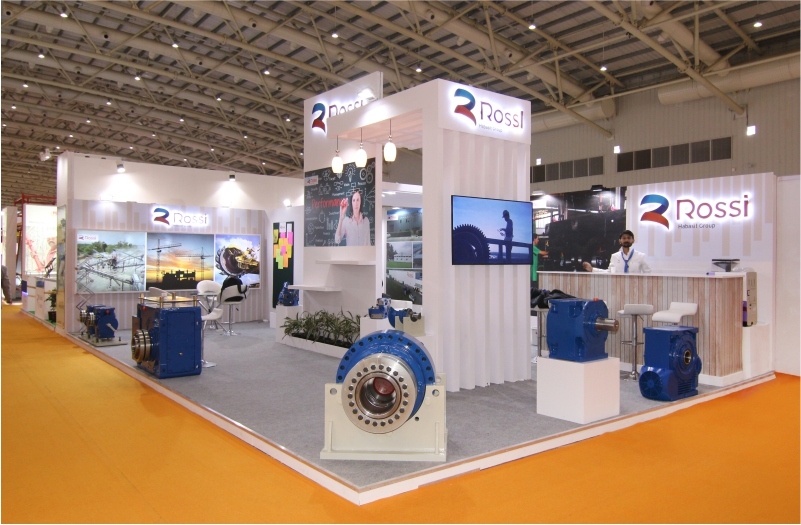
Trade Show Booth Design Trends: What Actually Works in Today's Market
Author : Panache Exhibitions | Published On : 01 May 2026
Walk into any major trade show today and you'll notice something almost immediately — the booths that draw crowds aren't necessarily the biggest or the flashiest. They're the ones that feel alive. People are touching things, laughing, watching demos unfold, snapping photos.
That shift didn't happen overnight. Over the past few years, trade show marketing has gone through a quiet revolution — driven by changing audience expectations, new technology, and a harder question exhibitors now have to ask themselves: why would anyone stop here? If you're planning your booth strategy for 2025 or 2026, these trade show booth design trends are the ones worth paying attention to.
1. Interactive Booths: Give People Something to Do
Here's an honest truth most exhibitors don't want to admit: nobody remembers the booth where they stood and listened to a sales pitch. They remember the one where they did something.
Interactive displays have become the backbone of high-performing exhibition booth design. Think touchscreens where visitors can build and customise a product in real time. Think spin-to-win games that get people talking. Think hands-on problem-solving challenges that actually put your software or product to work in front of a live audience.
What's getting real traction on the floor right now:
- Touchscreen product configurators that let visitors build their own version
- Live demos with open invitations — not just scheduled presentations
- Gamified experiences that reward engagement with a giveaway or discount
2. Hybrid Experiences: Your Booth Doesn't End at the Booth
One of the lasting changes from the pandemic era is that a significant chunk of your potential audience won't be in the room. They're watching from a laptop in another city, or they missed the show entirely but followed along on LinkedIn.
Smart exhibitors have stopped treating remote audiences as an afterthought. Instead, they design their exhibition booth to serve both groups at once. A live-stream station in the corner. A QR code on every surface that leads to an exclusive post-show resource. A virtual meeting pod for one-on-one video calls right from the stand.
It sounds like a lot, but even something as simple as scanning a QR code to access a recorded product walkthrough keeps you in someone's inbox long after the show closes.
3. Sustainability: Visitors Notice — and They Care
A few years ago, calling your booth "eco-friendly" was a nice-to-have talking point. Now it's a competitive signal. Buyers increasingly research the values behind a brand before they shake hands at a stand, and a booth piled with single-use plastics and printed brochures that get binned by lunchtime tells its own story.
You don't have to reinvent your entire build to make a meaningful shift. Some simple swaps that are making a real difference:
- Bamboo or recycled aluminium framing instead of standard PVC
- LED lighting across the whole stand — it looks better and uses far less energy
- Digital brochures and follow-up packs sent via email or QR — no printing needed
4. Modular Design: Built to Flex, Not Just to Look Good
If you're exhibiting at more than one or two events a year, a custom-built booth that only fits one specific space is quietly draining your budget. Modular systems solve this problem elegantly.
The idea is straightforward: a set of reconfigurable panels, counters, and frames that you can rearrange depending on whether you have a 10×10 corner spot or a 20×20 island. Same brand, same materials, completely different layout. Companies using modular exhibition booth design are reporting meaningful savings on build costs year-over-year — and less waste going to landfill after each show.
The best modular systems also travel well. Lightweight, flat-packable, and quick to assemble — your team spends less time setting up and more time talking to prospects.
5. Bold Branding: If They Can't Read It from Across the Hall, Rethink It
The average trade show attendee walks past hundreds of booths in a day. You have a fraction of a second to make them pause. Subtle branding and tasteful minimalism can work beautifully in a magazine spread — but on a crowded show floor, they disappear.
The brands winning at trade show marketing right now are the ones who went bold and committed to it. High-contrast colour palettes. Oversized typography. A clear, simple headline that answers "what do you do?" in under three seconds. And visual consistency that runs from the backdrop right down to staff lanyards.
Lighting matters more than most people realise. Warm accent lights create an inviting atmosphere. Targeted spotlights on your hero product turn it into the natural focal point. Done right, lighting is a silent salesperson working all day.
6. Technology Integration: The Gap Between Booths That Wow and Booths That Don't
A few years ago, having a large screen at your booth was enough to turn heads. That bar has moved considerably. Today, the technology gap between average and outstanding exhibition booth design is growing fast.
Here's where exhibitors are seeing the most return from their modern booth ideas right now:
- Augmented reality (AR) tools that let visitors see a product in their own space — incredibly effective for large or complex items
- RFID or NFC-enabled lead capture — tap a badge, get a follow-up email before you've left the building
- 4K video walls for product storytelling that feels cinematic, not corporate
- AI-powered chatbots that handle initial visitor questions so your staff can focus on high-value conversations
So, What Actually Works?
Honestly? The booths that consistently outperform aren't the ones with the biggest budgets. They're the ones where someone sat down before the build and asked: what do we want visitors to feel, do, and remember? Every decision — from materials to lighting to technology — flowed from that answer.
The trade show booth design trends shaping 2025 and 2026 all point in the same direction: more human, more interactive, more intentional. Sustainability shows you care. Modular design shows you're thinking long-term. Bold branding shows you respect the audience's time. And technology, when used well, shows you're serious about the experience you're creating.
Start with your goal. Build everything else around it. That's what works.