Top DIY Mistakes UK Homeowners Make When Trying to Unblock Drains
Author : Clevina Desuza | Published On : 24 Mar 2026
Blocked drains are one of the most frustrating household problems in the UK. Whether it’s a slow sink, a gurgling toilet, or a completely backed-up shower, homeowners often feel tempted to tackle the issue themselves. While DIY solutions can work for minor clogs, they can also lead to costly damage if approached incorrectly. Here’s a look at the top mistakes UK homeowners make when trying to unblock drains and how to avoid them.
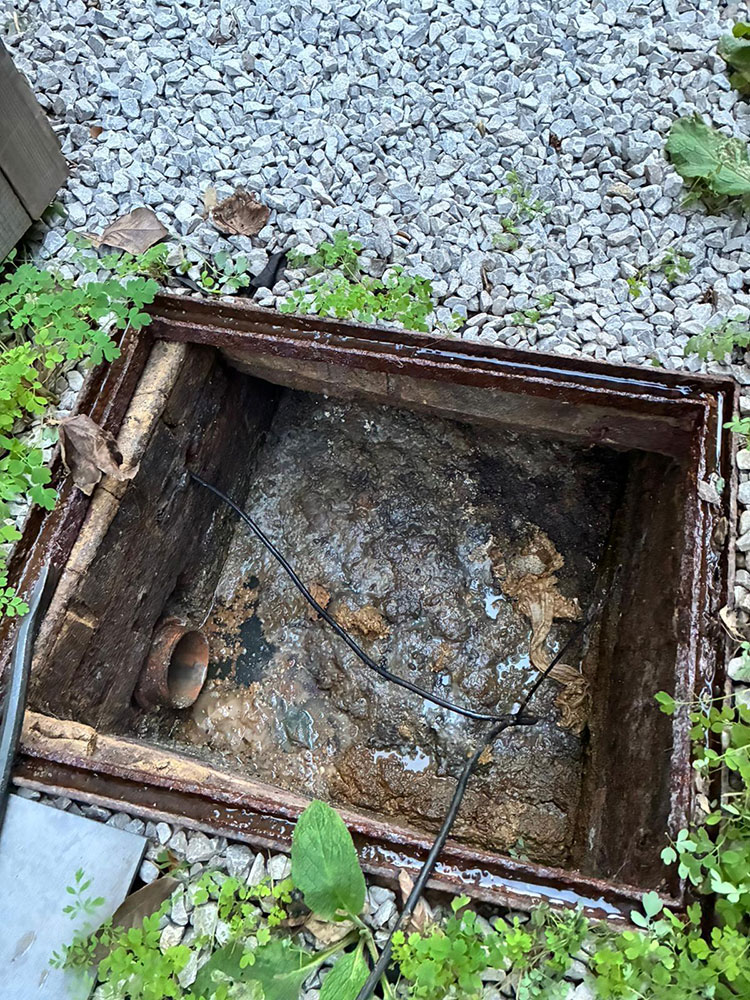
1. Using Harsh Chemical Cleaners Excessively
One of the most common mistakes is reaching for strong chemical drain cleaners at the first sign of a blockage. These products often promise quick results, but frequent use can erode your pipes over time.
Key risks of chemical overuse:
-
Weakening of plastic pipes
-
Corrosion of older metal pipes
-
Increased risk of leaks and bursts
Instead of relying solely on chemicals, consider mechanical methods like a plunger or a drain snake. Only use chemical cleaners as a last resort, and follow instructions carefully.
2. Ignoring the Source of the Blockage
Many homeowners try to fix the symptoms without addressing the root cause. A slow sink may be caused by:
-
Food build-up
-
Grease accumulation
-
Debris in the U-bend
-
Tree roots invading underground pipes
Ignoring the source can result in repeated blockages. Inspect your pipes carefully and consider a professional CCTV drain survey for persistent problems.
3. Overusing a Plunger
Plungers are a go-to tool for many DIY enthusiasts, but overusing them can push the blockage further down the pipe, making it harder to remove.
Tips for safe plunger use:
-
Ensure a tight seal
-
Apply gentle, consistent pressure
-
Avoid excessive force
Patience is key; forcing the blockage can worsen the situation.
4. Attempting to Remove Pipes Without Knowledge
Some homeowners attempt to dismantle their plumbing to remove a clog. This can lead to:
-
Water leaks
-
Misaligned fittings
-
Potential pipe damage
Always know your plumbing layout before removing pipes. If unsure, call a professional plumber for safe and effective solutions.
5. Using Improper Tools
Improvised tools like coat hangers or wire may seem convenient but can:
-
Scratch or puncture pipes
-
Worsen blockages
-
Leave debris inside the system
Investing in proper tools like a flexible drain auger, pipe wrench, or plumbing snake ensures safety and effectiveness.
6. Neglecting Routine Maintenance
Many homeowners only act when a blockage occurs, neglecting preventive care. Regular maintenance tips include:
-
Cleaning traps and strainers
-
Flushing drains with hot water
-
Seasonal checks for leaves, debris, and tree roots
Routine maintenance can prevent most common blockages and reduce the need for emergency call-outs.
7. Ignoring Professional Help
The biggest mistake is underestimating when to call a professional. Persistent or severe blockages require expert intervention, as delaying can lead to costly repairs.
Benefits of professional drain services:
-
Advanced diagnostic tools (CCTV drain cameras)
-
Safe high-pressure water jetting
-
Tailored solutions for local systems
Homeowners in areas such as Blocked Drain Leatherhead, blocked drain Surbiton, and blocked drain Banstead can rely on skilled professionals to resolve issues efficiently.
Conclusion
DIY solutions can sometimes help with minor blockages, but improper techniques can worsen the problem and cause expensive damage. Avoid:
-
Overusing chemicals
-
Pushing plungers too hard
-
Using improvised tools
-
Dismantling pipes without knowledge
Regular maintenance and timely professional help are essential for keeping drains clear. For UK homeowners, particularly in Leatherhead, Surbiton, and Banstead, professional drain services safeguard against long-term plumbing problems. By learning these common DIY mistakes and adopting preventive measures, you can maintain a healthy drainage system while saving time, stress, and money.
