Top 5 Architectural Styles That Continue to Influence Modern Homes
Author : Teresa Lisbon | Published On : 18 Nov 2026
Home architecture has changed significantly over the years, but many traditional design movements continue to influence the way houses are built today. Modern homeowners often look for designs that combine visual appeal, practical layouts, natural materials, and comfortable living spaces. Architects frequently borrow ideas from historical styles and adapt them to contemporary requirements.
From clean geometric lines to handcrafted details and natural surroundings, different architectural traditions offer inspiration for modern residential design. Here are five architectural styles that continue to shape homes around the world.
1. Modernist Architecture
Modernist architecture focuses on simplicity, functionality, and the relationship between form and purpose. It became particularly influential during the twentieth century as architects moved away from heavily decorative building designs.
Modernist homes often feature open floor plans, large windows, flat roofs, and materials such as steel, glass, and reinforced concrete. Natural light and efficient use of interior space are important elements.
Many contemporary houses continue to use these principles. Open kitchens, connected living areas, minimal decoration, and large glass doors are common examples of modernist influence.
The style remains popular because it creates uncluttered spaces that can be adapted to different lifestyles.

2. Mid-Century Modern Architecture
Mid-century modern architecture became popular between the 1940s and 1970s. It developed around the idea that homes should connect naturally with their surroundings while providing comfortable and practical living spaces.
Typical features include low-pitched roofs, clean horizontal lines, large windows, wooden finishes, and open interiors. Architects also experimented with different layouts to create smoother transitions between indoor and outdoor areas.
Today, many homeowners appreciate this style because it combines simplicity with warmth. Natural wood, vintage-inspired furniture, geometric lighting, and large windows are frequently used in modern interpretations.
Its emphasis on practical design and connection with nature continues to influence residential architecture.
3. Colonial Revival Architecture
Colonial Revival architecture takes inspiration from traditional American colonial buildings. The style became especially popular in the late nineteenth and early twentieth centuries and remains recognizable in residential design.
These homes commonly feature symmetrical front elevations, centered entrances, decorative columns, multi-pane windows, and pitched roofs. Brick, wood siding, and traditional exterior details are frequently used.
Modern versions often simplify the original decorative elements while maintaining balanced proportions and classic appearances.
This architectural style continues to attract homeowners who prefer timeless designs rather than highly experimental structures. Its organized layouts and traditional exterior appearance make it particularly recognizable in suburban neighbourhoods.
4. Craftsman and Arts and Crafts Architecture
The Arts and Crafts movement emerged during the late nineteenth century as a response to mass industrial production. It emphasized craftsmanship, natural materials, and attention to detail.
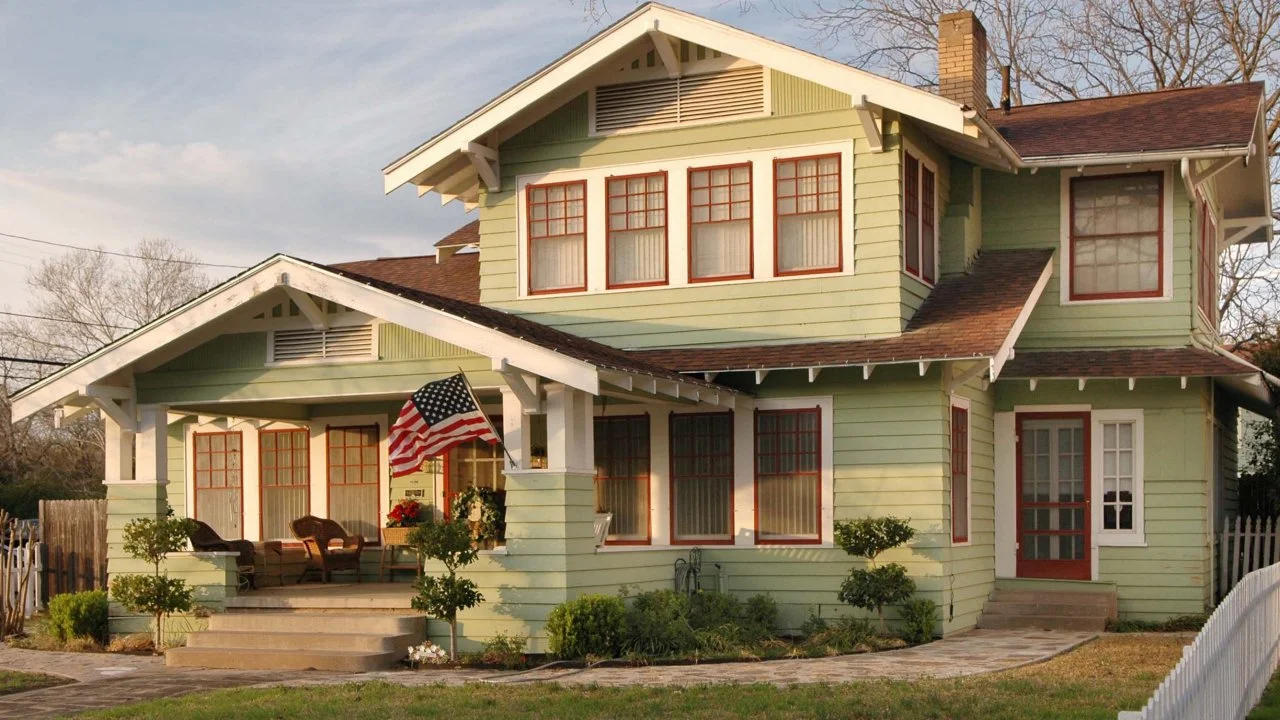
Craftsman-style homes are known for features such as exposed wooden beams, broad front porches, low-pitched roofs, built-in furniture, and visible structural details.
Modern homes influenced by this movement often include handcrafted woodwork, stone finishes, natural textures, and carefully designed interior details.
The approach also encourages the use of materials that create a sense of warmth and durability. Its emphasis on quality construction and thoughtful design remains relevant to homeowners who value character over excessive decoration.
5. Mediterranean Architecture
Mediterranean architecture draws inspiration from homes found in countries such as Spain, Italy, and Greece. The style developed in response to warm climates and a lifestyle that often places importance on outdoor living.
Traditional features include stucco walls, terracotta roof tiles, arched doorways, courtyards, balconies, and shaded outdoor spaces. Natural stone, wooden beams, and decorative tiles are also common.
Modern Mediterranean homes often combine these traditional elements with contemporary kitchens, open layouts, larger windows, and energy-efficient building materials.
The style remains popular because it creates inviting spaces while making outdoor areas an important part of everyday living.
Conclusion
Modernist, mid-century modern, Colonial Revival, Craftsman, and Mediterranean architecture continue to influence residential design in different ways. Some emphasize simplicity and functionality, while others celebrate craftsmanship, symmetry, or a connection with nature. Modern architects often combine elements from multiple traditions to create homes that reflect individual preferences and practical requirements. Understanding these styles can help homeowners make more informed decisions about the appearance, layout, and atmosphere of their living spaces.
