Top 10 Healthy Pregnancy Tips Recommended by Obstetricians
Author : Dr Preeti Hospital | Published On : 13 Jul 2026
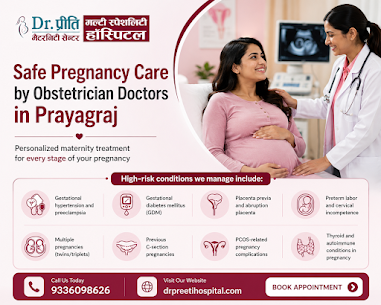
Pregnancy is one of the most significant physiological experiences of a woman's life, involving remarkable changes that affect virtually every body system. Supporting these changes well through informed, consistent healthy habits makes a meaningful difference to both maternal wellbeing and fetal development. The guidance provided by obstetricians reflects decades of clinical research into what genuinely supports healthy pregnancies and positive outcomes. Working closely with a trusted obstetrician in prayagraj throughout your pregnancy ensures that general advice is contextualised for your individual health profile and pregnancy progression.
Because a healthy pregnancy is built on consistent, informed daily choices supported by expert professional guidance.
Tip 1: Begin Prenatal Care as Early as Possible
Early and regular prenatal appointments allow your obstetrician to monitor your health and your baby's development from the very beginning. Early care also allows any risk factors or complications to be identified and managed promptly, when intervention is most effective.
Tip 2: Take Prenatal Vitamins Including Folic Acid
Folic acid, ideally started before conception and continued throughout the first trimester, significantly reduces the risk of neural tube defects in the developing baby. Prenatal vitamins also provide iron, calcium, iodine, and other nutrients that support both maternal health and fetal development during pregnancy.
Tip 3: Follow a Nutritionally Balanced Diet
Pregnancy increases nutritional requirements across multiple areas. A diet rich in vegetables, fruits, whole grains, lean proteins, and dairy or dairy alternatives provides the foundation of good pregnancy nutrition. Specific attention to iron, calcium, and omega-3 fatty acid intake supports fetal brain development and maternal health.
Tip 4: Stay Adequately Hydrated
Adequate fluid intake is particularly important during pregnancy, supporting increased blood volume, amniotic fluid maintenance, and the prevention of urinary tract infections, which are more common during pregnancy. Aim for eight to ten glasses of water daily, adjusting for activity and climate.
Tip 5: Engage in Appropriate Physical Activity
Regular moderate exercise during pregnancy, such as walking, swimming, or pregnancy-specific yoga, supports cardiovascular health, healthy weight management, mood regulation, and preparation for labour. Always discuss exercise plans with your obstetrician, who can advise on activities appropriate for your specific pregnancy and trimester.
Tip 6: Attend All Recommended Screening and Monitoring Appointments
Antenatal screening including ultrasound scans, blood tests, and glucose tolerance testing at appropriate gestational ages provides important information about fetal development and maternal health. Attending these appointments consistently ensures that any concerns are identified and addressed at the earliest possible stage.
Tip 7: Avoid Alcohol, Smoking, and Non-Prescribed Medications
Alcohol has no established safe level during pregnancy and is associated with fetal alcohol spectrum disorders. Smoking reduces oxygen delivery to the developing baby and increases the risk of multiple pregnancy complications. Any medication, supplement, or herbal remedy should be discussed with your obstetrician before use during pregnancy.
Tip 8: Manage Stress and Prioritise Emotional Wellbeing
Chronic stress during pregnancy is associated with adverse outcomes including preterm birth and low birth weight. Incorporating relaxation techniques, maintaining social support, and seeking help for anxiety or depression during pregnancy supports both maternal and fetal wellbeing.
Tip 9: Educate Yourself About Labour and Birth
Attending antenatal education classes, understanding the stages of labour, and discussing your birth preferences with your obstetric team reduces anxiety and supports more positive birth experiences. An informed mother is better prepared to participate in decision-making during labour and delivery.
Tip 10: Know When to Seek Urgent Care
Understanding which symptoms during pregnancy warrant immediate medical attention is an important safety measure. These include heavy vaginal bleeding, severe abdominal pain, sudden severe headache, visual disturbances, significant swelling of the face or hands, reduced fetal movement after 28 weeks, and leaking fluid from the vagina. Do not hesitate to contact your obstetric team or seek emergency care if any of these occur.
Conclusion
These ten evidence-based recommendations from obstetricians provide a practical framework for supporting a healthy pregnancy from conception through to delivery. Each tip contributes individually to maternal and fetal wellbeing, and their combined effect is significant. Regular care from a qualified obstetrician doctors in prayagraj ensures that these general principles are applied to your specific pregnancy with the expert oversight that every pregnancy genuinely deserves.
Because a healthy pregnancy is the foundation of a healthy beginning, and it deserves consistent professional support every step of the way.
