Tiny House Builders Who Actually Engineer Foundations Not Just Homes
Author : James Luther | Published On : 06 Apr 2026
Why Most Tiny House Builders Start In The Wrong Place
Search around long enough and you’ll find hundreds of tiny house builders promising clean finishes, fast timelines, and “affordable” builds. Sounds familiar. But here’s what most of them won’t say out loud—the structure underneath is usually an afterthought, something sourced, modified, or flat-out guessed.
That’s where problems begin.
The Foundation Is The Build, Whether You See It Or Not
A tiny house on wheels isn’t just a small home—it’s a moving structure dealing with dynamic loads, road vibration, wind shear, and long-term weight stress all at once. That means the trailer underneath isn’t a base, it’s the system holding everything together.
Miss that, and the rest doesn’t matter.

What Trailer Made Figured Out Before Everyone Else
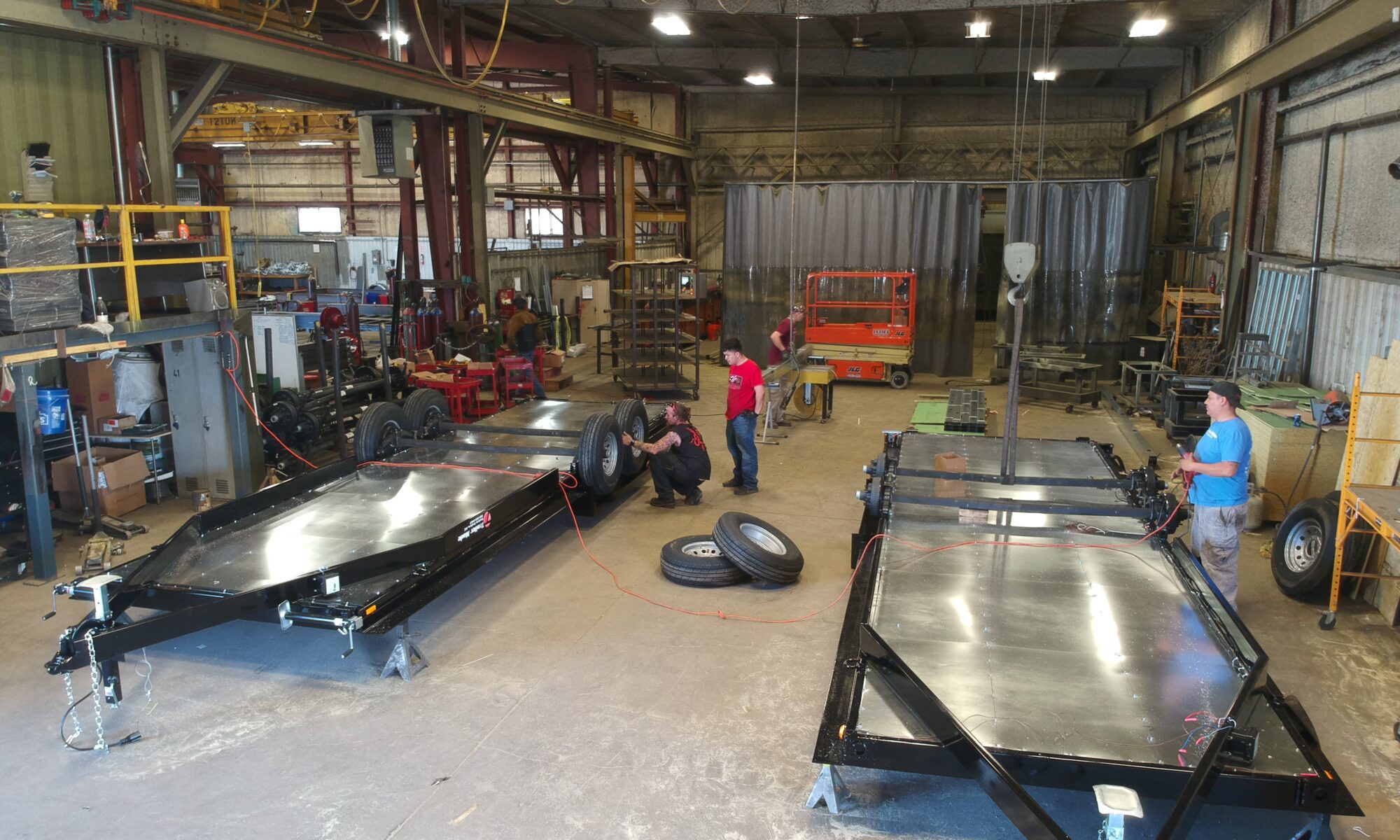
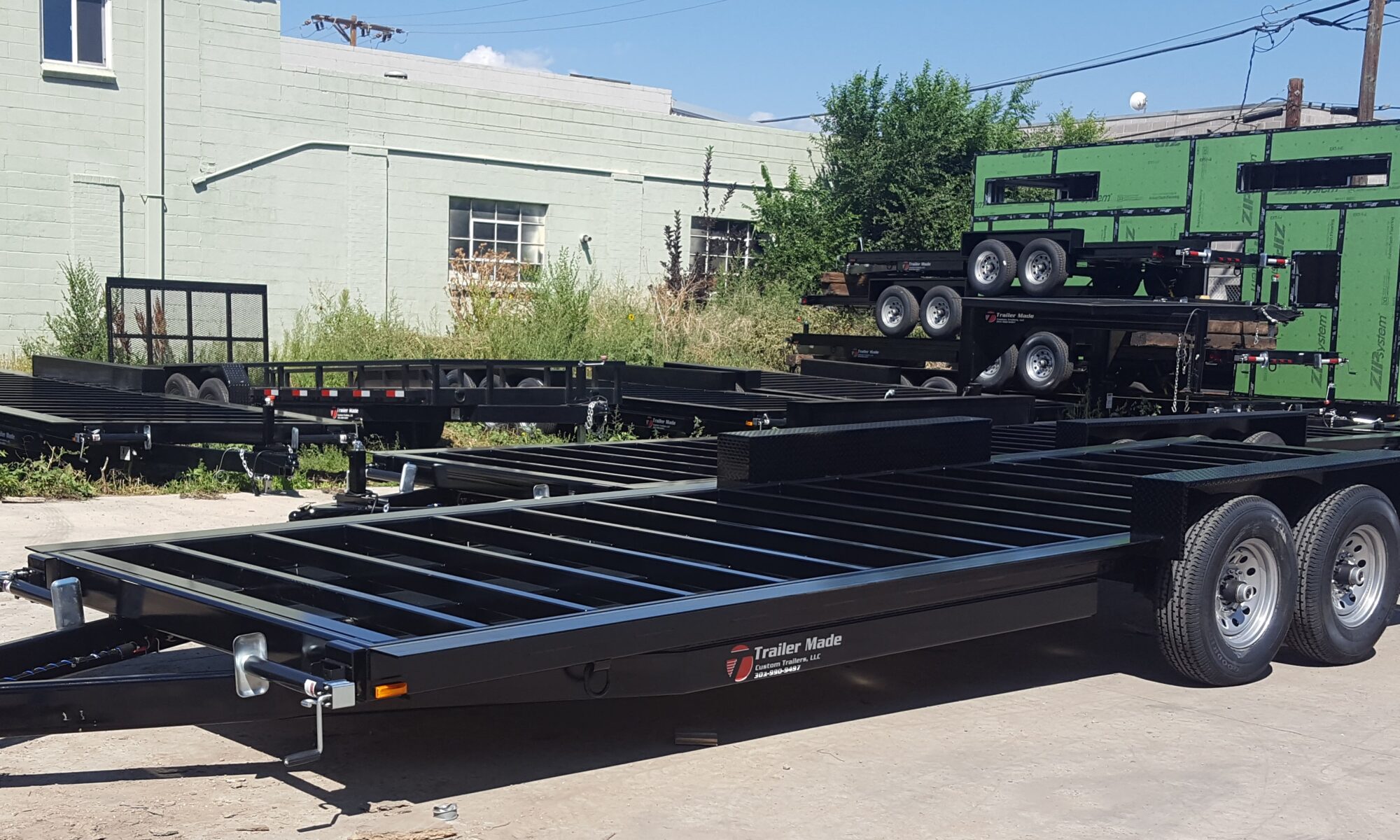
Back in 2013, Trailer Made Custom Trailers built what they call the Tiny Foundation on Wheels. Not a repurposed flatbed. Not a modified utility trailer. A purpose-built, engineered chassis designed specifically for tiny homes and ADUs.
They didn’t follow the market—they helped define it.
The Difference Between Engineered And “Should Work”
Every chassis coming out of their Olathe, Colorado shop carries IRC- and ANSI-stamped certification. That’s not a sticker—it’s proof that the structure meets real code standards. Welds are inspected. Load paths are calculated. Crossmembers aren’t spaced evenly for convenience—they’re placed based on stress distribution.
And axle placement? It’s engineered based on actual finished weight, not a drawing that looks right on paper.
That’s the actual difference.
Why Axle Placement Quietly Determines Everything Later
Most people never ask about axles. They should. Because if the placement is off—even slightly—you’re dealing with imbalance that shows up the moment the unit moves. Tongue weight issues. Sway at highway speeds. Structural fatigue over time.
Trailer Made sizes and positions axles based on what the finished build will weigh, not what someone hopes it weighs.
And that’s a bigger deal than most people realize.
Shell Builds That Give You A Real Starting Point
Not everyone wants a full turnkey build. Some buyers want control, or they’re contractors themselves. That’s where shell packages come in—framed, enclosed, and built on that same engineered chassis, ready for interior completion.
You’re not starting from zero. You’re starting from something that already solves the hardest part.
Where A Tiny Home Kit Actually Makes Sense
Here’s the thing about a Tiny home kit—it only works if the structure underneath is right. Otherwise you’re just assembling parts on a weak base and hoping it holds.
Trailer Made’s approach flips that. The kit or shell sits on a foundation designed for real-world use—high-R-value, wildfire-rated panels, structural steel, and tie-down systems that are actually thought through. You’re building forward, not compensating for flaws.
Turnkey Builds Without The Guesswork
If you go all the way—full ADU build—you’re looking at around 5–7 months depending on scope. That includes design, engineering, fabrication, and finishing. No vague timelines. No disappearing updates halfway through.
And yes, they handle zoning checks and permit packets in-house (because if you’ve ever tried doing that yourself, you know how fast it turns into a mess).
Shipping Nationwide Without Leaving You Hanging
A lot of companies build locally and stop there. Trailer Made doesn’t. They ship coast to coast, and they’ve figured out intermodal container logistics for places like Alaska, Hawaii, and even international destinations.
So your job isn’t coordinating freight carriers and permits. It’s preparing the site and connecting utilities when it arrives.
Code Compliance Isn’t Marketing Language Here
They helped write Appendix Q.
That’s not something you can fake or borrow—it means they were directly involved in shaping the national standards for tiny homes and ADUs. So when they talk about a code-compliant ADU or an accessory dwelling unit for sale, it’s grounded in firsthand knowledge of what inspectors are actually looking for.
That matters when approvals are on the line.
What You’re Really Buying When You Choose The Right Builder
Look, whether you’re adding a backyard ADU, planning an ADU rental unit, or buying something you intend to place and live in long-term, you’re making a structural decision first and a design decision second. Most people flip that order.
And then they pay for it later.
The Question That Separates Good Builds From Expensive Mistakes
Do you want something that looks finished—or something that’s built to last under real conditions?
Why Trailer Made Keeps Showing Up In Serious Projects
They’ve seen the failures. Frames that twist after transport. Welds that crack because they weren’t inspected. Trailers that weren’t rated for the weight they’re carrying. Once that happens, you’re not fixing a surface issue—you’re dealing with structural compromise.
That’s why their foundations come with a lifetime warranty. Not because it sounds impressive, but because they know exactly how those frames are built and tested.
The Straight Path Forward If You’re Done Guessing
If you’ve spent time researching tiny home builders, comparing ADU builder Colorado options, or looking through tiny house trailers for sale and wondering what actually separates one from another, you’ve probably noticed something—most of them talk about finishes.
Very few talk about structure.
Trailer Made does. Because that’s the part that decides whether your build holds up five years from now or starts showing stress after the first move. So if you’re ready to stop sorting through half-answers and start building on something engineered from the ground up, go talk to Trailer Made Custom Trailers.
Start with the foundation that’s already proven.
FAQ
How do I know if a tiny house trailer is truly code-compliant?
Check for IRC and ANSI stamps on the chassis. If those certifications aren’t there, you’re relying on claims instead of documented engineering.
Can I build my own interior with a shell package?
Yes. Trailer Made’s shell packages are designed for that—giving you a structurally sound base so you can focus on layout and finishes.
What makes Trailer Made different from other builders?
They engineer the foundation first. That includes axle placement based on actual weight, inspected welds, and chassis built to national code standards they helped develop.
How long does it take to get a completed ADU?
Shell packages typically ship in 6–10 weeks. Full turnkey builds average 5–7 months depending on complexity and permitting.
