Tinnitus Specialist in Brisbane: Understanding Your Treatment Options
Author : Selective Hearing | Published On : 18 Nov 2026
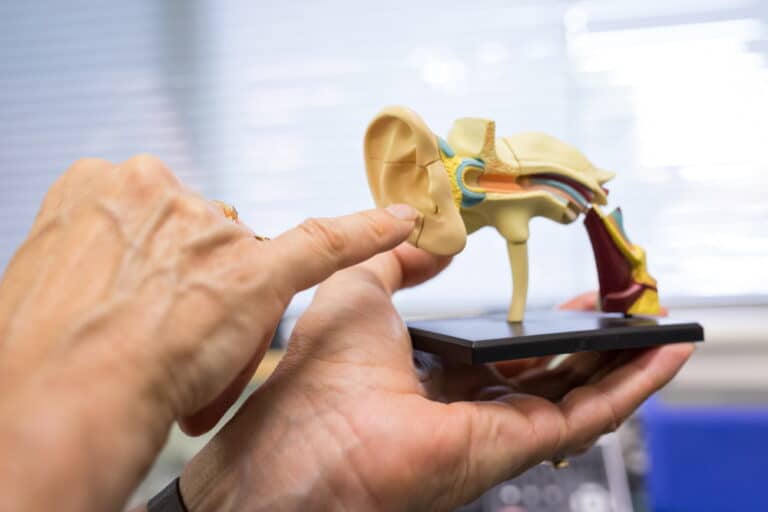
Tinnitus is the perception of sound, such as ringing, buzzing, humming or clicking, when no external sound is present. It can affect one or both ears and may be temporary or ongoing. If you are experiencing persistent tinnitus, consulting a tinnitus specialist in Brisbane can help you understand possible causes and explore suitable management options.
What Causes Tinnitus?
Tinnitus can develop for several reasons, and identifying potential contributing factors is an important part of an appropriate assessment. Common causes and associated factors include:
-
Hearing loss: Age-related or noise-induced hearing changes can be associated with tinnitus.
-
Exposure to loud noise: Regular exposure to loud music, machinery or other high-volume sounds may affect the auditory system.
-
Ear conditions: Earwax build-up, ear infections and other ear-related conditions may contribute to tinnitus.
-
Certain medications: Some medicines can affect hearing or contribute to tinnitus symptoms.
-
Other health factors: Jaw joint problems, head or neck injuries and some medical conditions may also be associated with tinnitus.
Because tinnitus can have different causes, an individual assessment is important before considering management options.
When Should You See a Tinnitus Specialist in Brisbane?
Occasional tinnitus may settle without treatment, but persistent or disruptive symptoms are worth discussing with a healthcare professional. A tinnitus specialist can help assess your symptoms and determine whether further hearing or medical evaluation is appropriate.
Consider seeking an assessment if you experience ongoing ringing or buzzing, difficulty concentrating, disrupted sleep, sensitivity to everyday sounds or changes in your hearing.
Sudden hearing loss, tinnitus accompanied by severe dizziness or neurological symptoms, or tinnitus that follows a head injury requires prompt medical assessment. Pulsatile tinnitus, which sounds like a heartbeat, should also be assessed by a healthcare professional.
What Happens During a Tinnitus Assessment?
A tinnitus assessment usually begins with a discussion about your symptoms, medical history, hearing concerns and exposure to noise. The specialist may ask when the tinnitus started, whether it affects one or both ears and how it influences your daily activities.
Depending on your circumstances, an assessment may include:
-
A review of your hearing history and tinnitus symptoms.
-
An examination of your ears where appropriate.
-
A hearing assessment to identify possible hearing changes.
-
Recommendations for further medical evaluation if required.
These steps help build a clearer understanding of your symptoms and guide appropriate next steps.
Tinnitus Management Options
There is no single approach that works for everyone experiencing tinnitus. Management depends on the underlying cause, hearing assessment results and how much the symptoms affect daily life. Possible management options include hearing aids when hearing loss is present, sound therapy, tinnitus education and counselling approaches such as tinnitus-focused cognitive behavioural therapy (CBT). Strategies for improving sleep and managing stress may also help some people cope with tinnitus. A tinnitus specialist in Brisbane can discuss suitable options based on your assessment and individual needs.Refer Link: https://www.selectivehearing.com.au
Choosing the Right Tinnitus Specialist in Brisbane
When looking for tinnitus support, consider a provider who takes time to understand your symptoms, offers appropriate hearing assessments and explains available management approaches clearly. It is also helpful to choose a hearing clinic that provides individualised recommendations and can guide you towards further medical care when necessary. Understanding the assessment process and available support can help you make informed decisions about your hearing health.
