Timing Belt Maintenance Guide: Protecting Your Engine from Costly Repairs
Author : Bible Noah | Published On : 17 Jul 2026
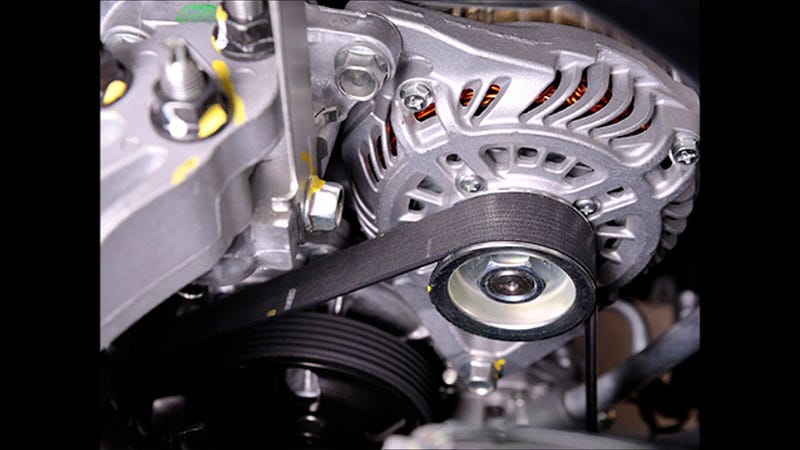
Modern vehicles are built to deliver better fuel efficiency, lower emissions, and improved performance. However, these advances also make routine maintenance more important than ever. One component that plays a vital role in engine reliability is the timing belt. When it reaches the end of its service life, replacing it at the right time can prevent costly engine damage and unexpected breakdowns.
For motorists researching Timing Belt Replacements Trowbridge or looking for reliable Timing Belt Replacements UK, understanding how timing belts work, when they should be replaced, and the factors affecting maintenance costs can help them make informed decisions. As newer engines introduce technologies such as wet timing belts, staying informed about manufacturer recommendations has become increasingly valuable.
Why Timing Belt Replacement Is Essential
The timing belt synchronizes the rotation of the crankshaft and camshaft, ensuring that engine valves open and close at the correct intervals. This precise timing allows the engine to operate efficiently while protecting internal components from damage.
Unlike many engine parts, timing belts naturally wear over time due to heat, friction, and continuous movement. Ignoring replacement intervals increases the risk of belt failure, which can lead to severe engine damage in interference engines — a repair that often costs significantly more than routine maintenance.
Vehicle manufacturers specify replacement schedules based on mileage, years of use, or both. Following these recommendations is one of the simplest ways to extend engine life.
Understanding Modern Timing Belt Technologies
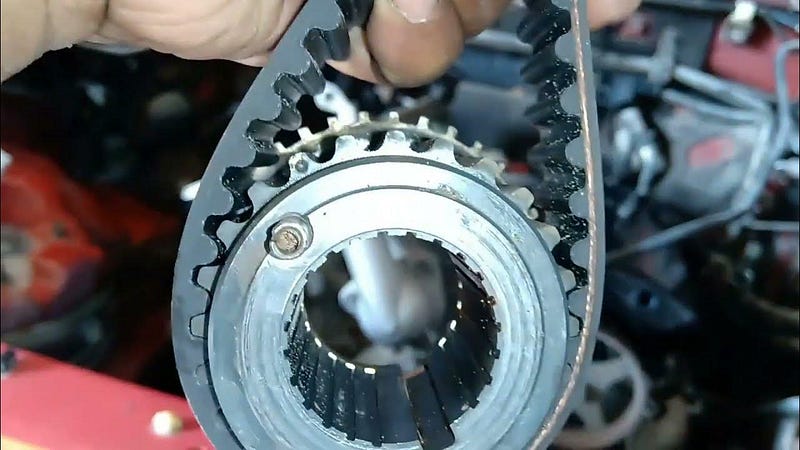
Many modern vehicles now feature wet timing belts rather than traditional dry belts. Unlike conventional belts that operate outside the engine’s lubrication system, wet timing belts run inside the engine and remain lubricated by engine oil.
This design offers several advantages:
- Reduced engine friction
- Improved fuel efficiency
- Quieter engine operation
- Lower emissions
However, wet timing belts also require careful maintenance. Using incorrect engine oil or extending oil change intervals beyond manufacturer recommendations can accelerate belt deterioration.
As a result, many UK motorists are researching the wet timing belt replacement cost before purchasing used vehicles or scheduling preventative maintenance.
Understanding whether a vehicle uses a wet or dry timing belt helps owners prepare for future servicing requirements.
Common Signs That a Timing Belt May Need Attention
Timing belts often show very few warning signs before failure. Nevertheless, several symptoms may indicate the need for professional inspection.
Common indicators include:
- Difficulty starting the engine
- Engine misfires
- Unusual ticking noises
- Loss of engine power
- Oil leaks around the timing cover
- Manufacturer-recommended replacement interval reached
Even if no symptoms are present, preventative replacement remains the safest approach because many timing belts fail without obvious warning.
Professional inspections during scheduled servicing can identify wear before it becomes a major issue.
Factors That Influence Timing Belt Replacement Costs
The overall wet timing belt replacement cost or standard timing belt replacement varies depending on several practical factors rather than a single fixed price.
These include:
- Vehicle make and model
- Engine design complexity
- Labour time required
- Replacement of tensioners and pulleys
- Water pump replacement (where recommended)
- Additional seals or auxiliary components
Many manufacturers recommend replacing related components during the same service because labour costs often overlap. Although this increases the initial repair bill, it can reduce the likelihood of future repairs and additional labour charges.
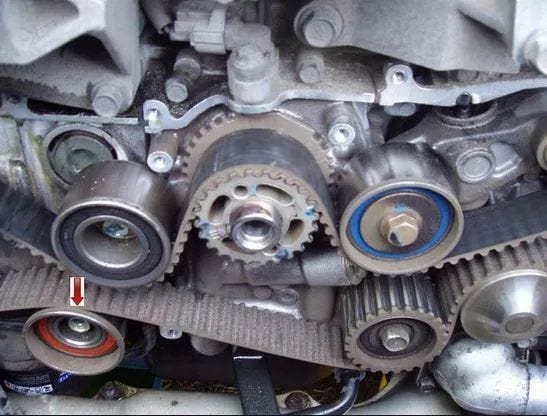
For vehicle owners planning long-term maintenance, understanding these variables helps avoid unexpected expenses.
Best Practices for Long-Term Engine Reliability
Preventative maintenance remains the most effective strategy for avoiding expensive engine repairs.
Drivers can reduce timing belt-related risks by following several best practices:
- Follow manufacturer replacement intervals.
- Use manufacturer-approved engine oil.
- Never ignore unusual engine noises.
- Schedule regular vehicle inspections.
- Replace associated components when recommended.
- Keep complete service records.
These simple maintenance habits improve engine reliability while protecting resale value.
For used vehicle buyers, requesting evidence of previous timing belt replacement is equally important. A documented maintenance history often provides greater confidence than mileage alone.
The Growing Importance of Professional Timing Belt Replacement Services
As engines become more advanced, replacing timing belts has become increasingly technical. Many vehicles require specialist tools to correctly align timing components and calibrate engine systems after installation.
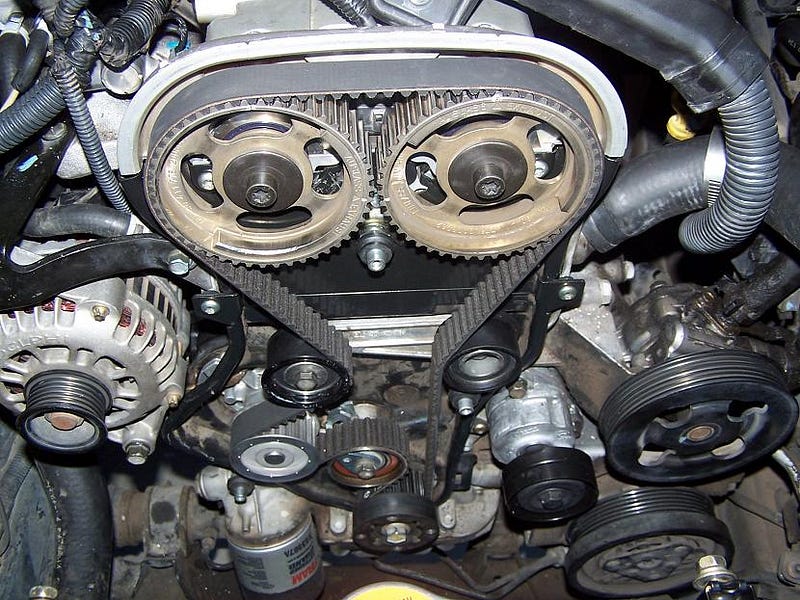
Professional Timing Belt Replacements Services typically include:
- Comprehensive engine inspection
- Replacement of the timing belt
- Inspection of pulleys and tensioners
- Water pump assessment where applicable
- Timing calibration
- Final performance testing
Attempting replacement without the correct equipment or technical knowledge can result in improper engine timing, leading to reduced performance or serious mechanical damage.
This growing complexity explains why experienced independent garages continue to play an important role in maintaining modern vehicles across the UK.
For example, providers such as S&M Auto Service demonstrate how specialist workshops support motorists by following manufacturer procedures and offering vehicle-specific timing belt maintenance guidance. Their information on Timing Belt Replacements Trowbridge reflects the increasing demand for preventative servicing as vehicle technology evolves.
Choosing the Right Maintenance Approach
When evaluating garages for Timing Belt Replacements UK, vehicle owners should consider more than price alone.
Useful considerations include:
- Technician experience
- Manufacturer repair procedures
- Quality replacement components
- Transparent maintenance recommendations
- Service documentation
- Customer reviews and maintenance history
A well-executed timing belt replacement contributes to long-term engine reliability and helps maintain consistent vehicle performance.
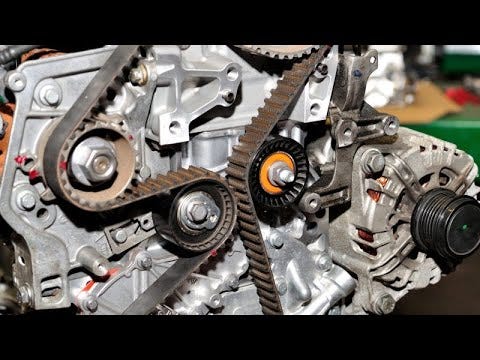
Regular maintenance also supports fuel efficiency, smoother engine operation, and lower risk of unexpected roadside failures.
Conclusion
Timing belts remain one of the most important preventative maintenance items for modern vehicles. Whether maintaining a family car, fleet vehicle, or commercial van, replacing the timing belt at the correct interval helps avoid expensive engine repairs while extending vehicle lifespan.
As wet timing belt technology becomes more common, understanding the factors behind wet timing belt replacement cost, manufacturer servicing intervals, and professional installation practices has never been more valuable. By choosing qualified Timing Belt Replacements Services, following scheduled maintenance, and staying informed about evolving engine technologies, UK drivers can protect both their investment and their vehicle’s long-term reliability. Practical knowledge and preventative care remain the most effective tools for keeping modern engines performing safely and efficiently for years to come.
