Timber Harvesting: Strategies for Efficiency and Sustainability
Author : Kalvin Moss | Published On : 20 Mar 2026
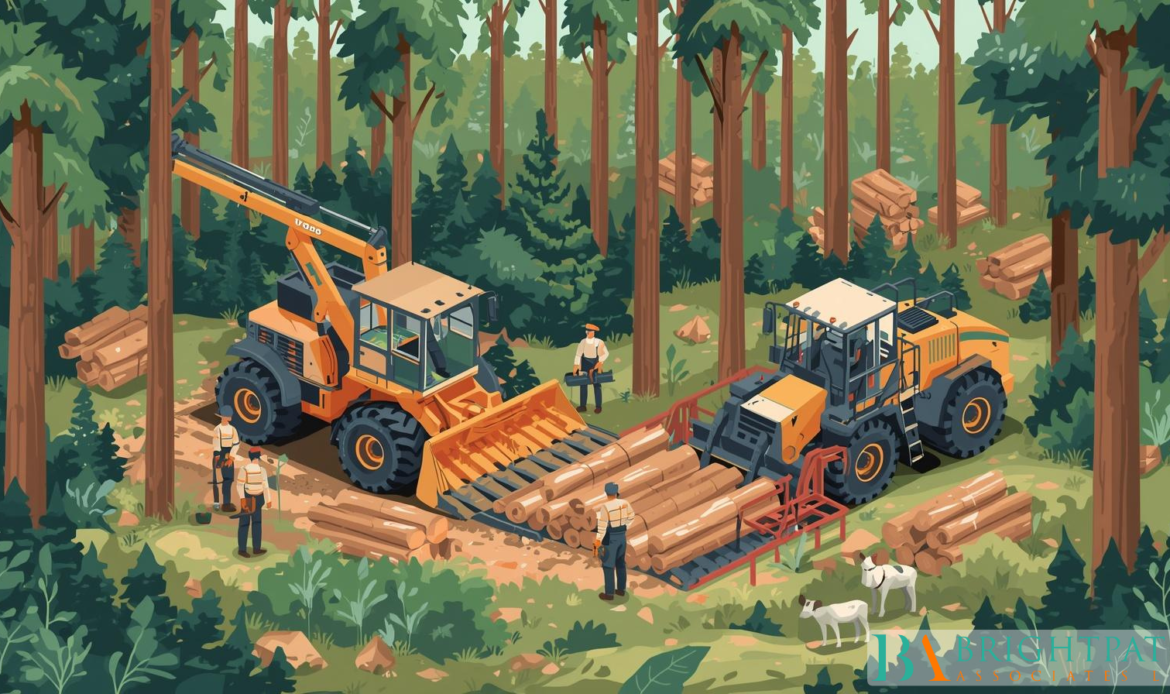
The paper and forest products industry is undergoing a profound transformation. Once driven primarily by output and cost-efficiency, today’s timber harvesting strategies are being redefined by a more complex equation—one that includes sustainability, regulatory compliance, technological advancement, and workforce capability.
For C-suite leaders and decision-makers in small to mid-sized enterprises across the United States, the question is no longer whether to evolve, but how quickly adaptation can be executed without compromising operational performance.
To fully understand the dynamics shaping this shift, it is essential to explore how modern harvesting strategies are aligning efficiency with environmental responsibility. A deeper dive into these evolving practices can be found in this comprehensive guide on timber harvesting strategies for efficiency and sustainability, which outlines the foundational changes influencing the sector.
New Reality of Timber Harvesting
Timber harvesting today is no longer a linear process focused solely on extraction. It has evolved into a multi-dimensional operation where environmental impact, resource optimization, and long-term forest health are central considerations.
Increased regulatory scrutiny and stakeholder expectations are compelling organizations to rethink traditional logging methods. Clear-cutting, once widely adopted for its simplicity and cost-effectiveness, is now being replaced or supplemented by more sustainable techniques such as selective harvesting and reduced-impact logging.
However, this transition is not without its challenges. Companies must balance sustainability initiatives with operational efficiency, often requiring significant investment in both technology and skilled labor.
Technology as a Catalyst for Smarter Operations
One of the most significant enablers of modern timber harvesting is technology. From advanced machinery to data-driven planning tools, digital transformation is reshaping how forests are managed and harvested.
Geographic Information Systems (GIS), remote sensing, and drone-based monitoring are allowing companies to assess forest conditions with unprecedented accuracy. These tools enable better planning, reduce waste, and improve yield efficiency—all while minimizing environmental impact.
Automation is also playing a growing role. Mechanized harvesting equipment can increase productivity while reducing human error and safety risks. At the same time, predictive analytics is helping organizations anticipate demand patterns, optimize supply chains, and make informed decisions about harvesting schedules.
Sustainability Is No Longer Optional
Sustainability has shifted from being a corporate social responsibility initiative to a core business imperative. Investors, regulators, and consumers are increasingly prioritizing environmentally responsible practices, placing pressure on companies to demonstrate measurable impact.
In the context of timber harvesting, this means adopting methods that preserve biodiversity, protect soil health, and reduce carbon emissions. Certification programs and sustainability standards are becoming critical benchmarks for credibility and market access.
On the other hand, companies that integrate sustainability into their operations are finding new avenues for innovation and competitive differentiation. They are better positioned to attract investors, secure partnerships, and build long-term resilience.
Talent Factor: A Critical Yet Overlooked Driver
The shift toward advanced harvesting techniques and digital tools has created a demand for a more skilled and adaptable workforce. Companies now require professionals who can navigate both traditional forestry practices and modern technological systems.
This includes expertise in data analysis, environmental compliance, machinery operation, and strategic planning. Unfortunately, the availability of such talent is limited, creating a significant gap between industry needs and workforce capabilities.
For small to mid-sized enterprises, this challenge is even more pronounced. Competing with larger organizations for top talent requires not only competitive compensation but also a clear value proposition and growth opportunities.
Understanding the broader landscape of workforce challenges and opportunities within the sector is essential. This detailed overview of the paper and forest products industry provides valuable insights into how businesses can align their talent strategies with industry demands.
Bridging Efficiency and Sustainability Through Strategy
The most successful companies in the timber harvesting space are those that recognize the interdependence of efficiency and sustainability. Rather than viewing them as competing priorities, they are integrating both into a unified strategy.
This involves optimizing harvesting methods to reduce waste, investing in technology to enhance precision, and building teams capable of executing complex operations. It also requires a long-term perspective—one that prioritizes resource conservation alongside immediate financial performance.
Strategic planning plays a crucial role in this process. Organizations must evaluate their current operations, identify gaps, and implement solutions that align with both business goals and environmental standards.
Cost of Inaction in a Transforming Industry
Failing to adapt to these changes carries significant risks. Companies that continue to rely on outdated practices may face declining productivity, increased regulatory challenges, and reduced market relevance.
Moreover, the inability to attract and retain skilled talent can further hinder growth and innovation. In an industry where expertise and execution are critical, workforce limitations can quickly become a bottleneck to success.
The pace of change in the paper and forest products sector is accelerating, making proactive adaptation essential. Organizations that delay transformation may find themselves struggling to catch up in an increasingly competitive landscape.
Looking Ahead: A Defining Moment for Industry Leaders
The future of timber harvesting will be shaped by those who can effectively balance efficiency with sustainability while building the right teams to execute their vision.
This is a defining moment for industry leaders. The decisions made today—regarding technology adoption, sustainability practices, and talent acquisition—will determine long-term success.
Forward-thinking organizations are already taking steps to align their operations with emerging trends, positioning themselves as leaders in a new era of forestry and resource management
