Think Your Living Room Is Finished? Here’s Why Accent Furniture Changes Everything
Author : Shop vrsa | Published On : 14 Sep 2026
Introduction
You have the sofa. The coffee table is in place. The lighting works, the walls are styled, and everything seems to have its designated spot. Yet somehow, the room still feels like something is missing.
This is one of the most common challenges in interior design. A room can be beautifully furnished without feeling complete. The difference often comes down to the smaller design decisions—the pieces that introduce contrast, personality, texture, shape, and visual balance.
That is where accent furniture can completely change the way a living space feels. Instead of filling every empty corner, the goal is to introduce carefully selected pieces that give the room character without making it feel crowded.
The best interiors aren't necessarily the ones with the most
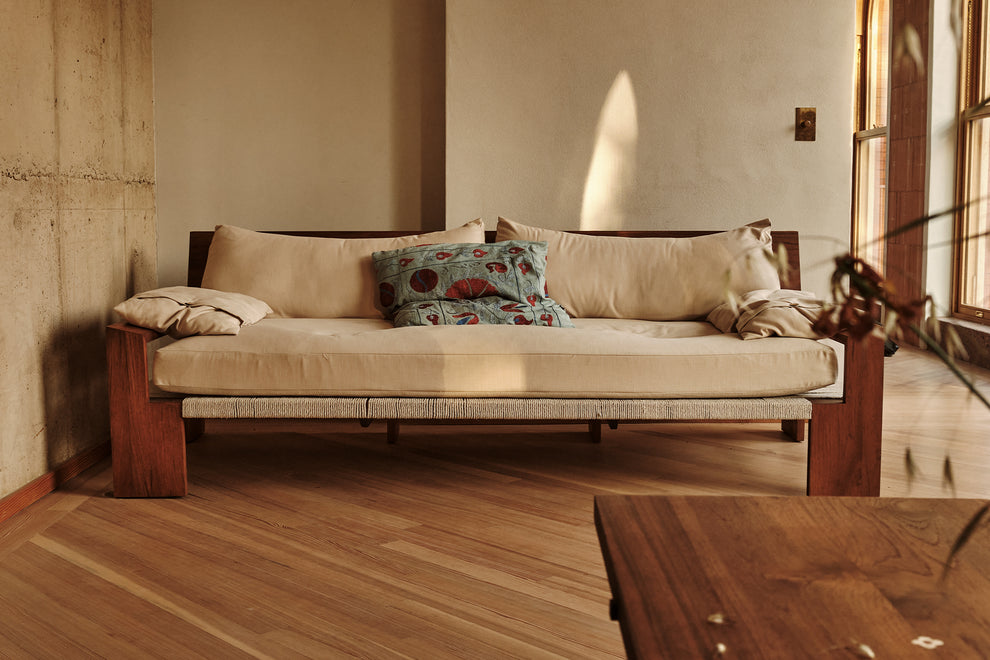
Why a Finished Living Room Can Still Feel Incomplete
Imagine walking into a beautifully decorated living room. There is a large sofa, a rug underneath, a coffee table in the center, and artwork on the walls. Everything matches, but the overall atmosphere feels predictable.
The problem may not be a lack of furniture. It may be a lack of contrast and visual punctuation.
A room needs moments that make the eye move around the space. A sculptural chair, an unusual side table, a textured stool, or a beautifully shaped cabinet can create that moment without requiring a complete redesign.
Signs your living room may need another design layer:
-
The furniture feels too uniform.
-
Empty corners don't have a visual purpose.
-
Everything has the same color or shape.
-
The seating arrangement feels predictable.
-
The room lacks a focal point.
-
The space looks furnished but not curated.
The solution isn't automatically buying more. It is choosing better.
The Luxury Living Room Approach: Less Matching, More Character
Modern interiors are increasingly moving away from perfectly coordinated furniture sets. Instead, designers are creating spaces that feel collected, layered, and personal.
A sophisticated living room may combine different materials, silhouettes, and finishes while maintaining an intentional visual relationship between them.
For example, luxury living room furniture doesn't have to mean every piece comes from the same collection. A refined sofa can sit alongside a contrasting chair, an artistic table, or a sculptural storage piece. The result can feel more individual and less like a showroom.
Think about these design relationships:
-
Shape: Pair curved seating with structured tables.
-
Texture: Combine smooth surfaces with woven or tactile materials.
-
Scale: Use smaller pieces to balance larger furniture.
-
Color: Introduce controlled contrast rather than random shades.
-
Material: Mix wood, metal, fabric, stone, or glass thoughtfully.
This approach allows a room to feel luxurious without becoming visually overwhelming.
The Empty Corner Problem
One of the easiest examples is the forgotten corner.
You may have a large living room where one corner remains empty. At first, leaving it open seems like the safest choice. But eventually, that area can make the entire layout feel unfinished.
Instead of filling it with random décor, consider giving the corner a purpose.
A statement chair can create a reading area. A compact table can become a display surface. A sculptural piece can introduce height and shape. A small seating arrangement can even create a separate conversation zone.
The important point is that the furniture should solve a spatial problem rather than simply occupy space.
How an Accent Chair Can Change the Composition
Seating is one of the easiest ways to introduce contrast into a room. If your main sofa has a large, structured silhouette, a chair with a different shape can immediately create visual interest.
The concept of Accent chair furniture works particularly well when the chair provides something the existing seating arrangement doesn't—whether that's a different texture, color, material, or silhouette.
When selecting a statement chair, consider:
-
Does its shape contrast with the sofa?
-
Is its scale appropriate for the room?
-
Does its material complement existing textures?
-
Can it function independently?
-
Does it create a useful seating zone?
A good chair shouldn't look like an afterthought. It should feel like an intentional part of the room's composition.
Create a Curated, Not Crowded, Space
A common mistake is assuming that an expensive-looking room needs more expensive-looking objects. In reality, visual restraint can often create a stronger impression.
Designer living room furniture is most effective when each piece contributes to the overall composition rather than competing for attention.
Think of the room like a visual story. The sofa establishes the foundation. The coffee table creates the center. Lighting establishes an atmosphere. Art adds personality. Smaller furniture pieces introduce rhythm and contrast.
A simple designer-style formula:
Foundation → Contrast → Texture → Function → Personality
Start with your largest pieces, then introduce smaller elements that complement them. This helps prevent the space from becoming cluttered.
How to Choose the Right Piece
Before purchasing anything, take a step back and evaluate the room.
Step 1: Identify the Weakest Area
Ask yourself what feels wrong.
Is there too much empty space?
Is the seating arrangement too symmetrical?
Does the room lack color?
Is there no comfortable secondary seating?
Identify the actual problem first.
Step 2: Choose One Strong Piece
Instead of buying several items at once, start with one piece that solves the problem.
This could be:
-
A sculptural chair
-
A compact side table
-
A distinctive stool
-
A statement cabinet
-
A textured bench
One well-selected item can have more impact than several unrelated accessories.
Step 3: Consider Proportion
A beautiful piece can still look wrong if its scale doesn't work.
Before buying, consider:
-
Room dimensions
-
Ceiling height
-
Existing furniture size
-
Walking pathways
-
Distance between seating
-
Visual weight of surrounding objects
Good proportion is one of the simplest ways to make an interior feel professionally designed.
Don't Forget Transitional Spaces
Furniture isn't limited to the main seating area. Transitional spaces such as dining areas, kitchen counters, hallways, and entertainment zones can also benefit from carefully selected pieces.
For example, Bar stool furniture can introduce both function and personality around a kitchen island or home bar. The right height, material, and silhouette can connect the kitchen with the broader interior design while creating practical seating.
When selecting stools, pay attention to:
-
Counter or bar height
-
Seat height
-
Back support
-
Material durability
-
Footrest position
-
Overall visual proportion
The goal is to make the piece feel connected to the home's design rather than treating it as an isolated purchase.
Make Your Space Feel Personal
The most memorable interiors usually tell us something about the people who live there.
Instead of copying an entire room from a showroom or social media post, use inspiration as a starting point and then introduce pieces that reflect your personality.
Maybe you prefer sculptural forms. Perhaps you love traditional craftsmanship. You may prefer neutral interiors with one dramatic statement piece.
Whatever your style, furniture can help communicate it.
Try this simple styling strategy:
1. Keep the foundation calm.
Large furniture pieces can establish a neutral base.
2. Add one contrasting shape.
Introduce a chair, stool, or table with a different silhouette.
3. Bring in texture.
Use materials that create depth and tactile interest.
4. Create a visual breathing room.
Don't fill every available corner.
5. Repeat one design element.
A material, finish, shape, or color can appear in two or three areas to create cohesion.
This creates a room that feels intentional without appearing overly coordinated.
Why Small Furniture Choices Have a Big Impact
The beauty of a thoughtfully designed interior is that transformation doesn't always require a complete renovation.
Sometimes, the existing room already has everything it needs. It simply needs one or two pieces that connect the different elements.
A carefully selected chair can balance a sofa. A small table can make an empty corner useful. A stool can bring character to a kitchen. A sculptural piece can create a focal point.
These decisions may seem small, but they can dramatically influence how a room feels.
Conclusion
A living room doesn't become luxurious simply because it contains expensive furniture. It becomes memorable when the pieces work together to create balance, comfort, personality, and visual interest.
If your room already has the essentials but still feels unfinished, don't immediately start over. Look at the details. Consider where contrast is missing, where an empty space could become functional, and where one distinctive piece could add character.
The right furniture can make a space feel more personal, more balanced, and more thoughtfully designed.
With carefully selected collections and a focus on craftsmanship, shopvrsa offers furniture and interior pieces that can help transform a house into a more expressive and curated home.
So before you ask, “What else does my living room need?” ask a better question:
“Which one piece could change how this entire room feels?”
Sometimes, that single decision is what turns a finished room into a truly unforgettable one.
Frequently Asked Questions
1. What is the purpose of statement furniture in a living room?
Statement furniture adds visual interest, contrast, personality, or function without requiring a complete redesign of the space.
2. Does a luxury living room need matching furniture?
Not necessarily. Combining complementary shapes, materials, and finishes can create a more layered and sophisticated interior than using a perfectly matched set.
3. How many statement pieces should a room have?
There is no fixed number. In many spaces, one or two distinctive pieces can be enough. The key is maintaining balance and avoiding visual clutter.
4. How can I make an empty corner useful?
Consider turning it into a reading area, secondary seating zone, display area, or functional corner with a carefully sized furniture piece.
5. Should accent pieces match the rest of the room?
They don't need to match exactly. They should, however, have some visual relationship with the existing design through color, material, shape, or proportion.
6. What is the biggest mistake when adding furniture?
Buying pieces simply because they look attractive individually. Every new piece should also work with the room's scale, layout, function, and overall design story
