Things to Know Before Selecting a Pressure Gauge for Industrial Use
Author : Ncqc laboratory | Published On : 21 Nov 2026
Industrial pressure gauges monitor pressure in manufacturing plants, laboratories, and processing facilities. A suitable instrument supports process control, protects equipment, and provides dependable readings. Review its specifications to match your operating conditions.
Before you buy a pressure gauge, consider these seven factors.
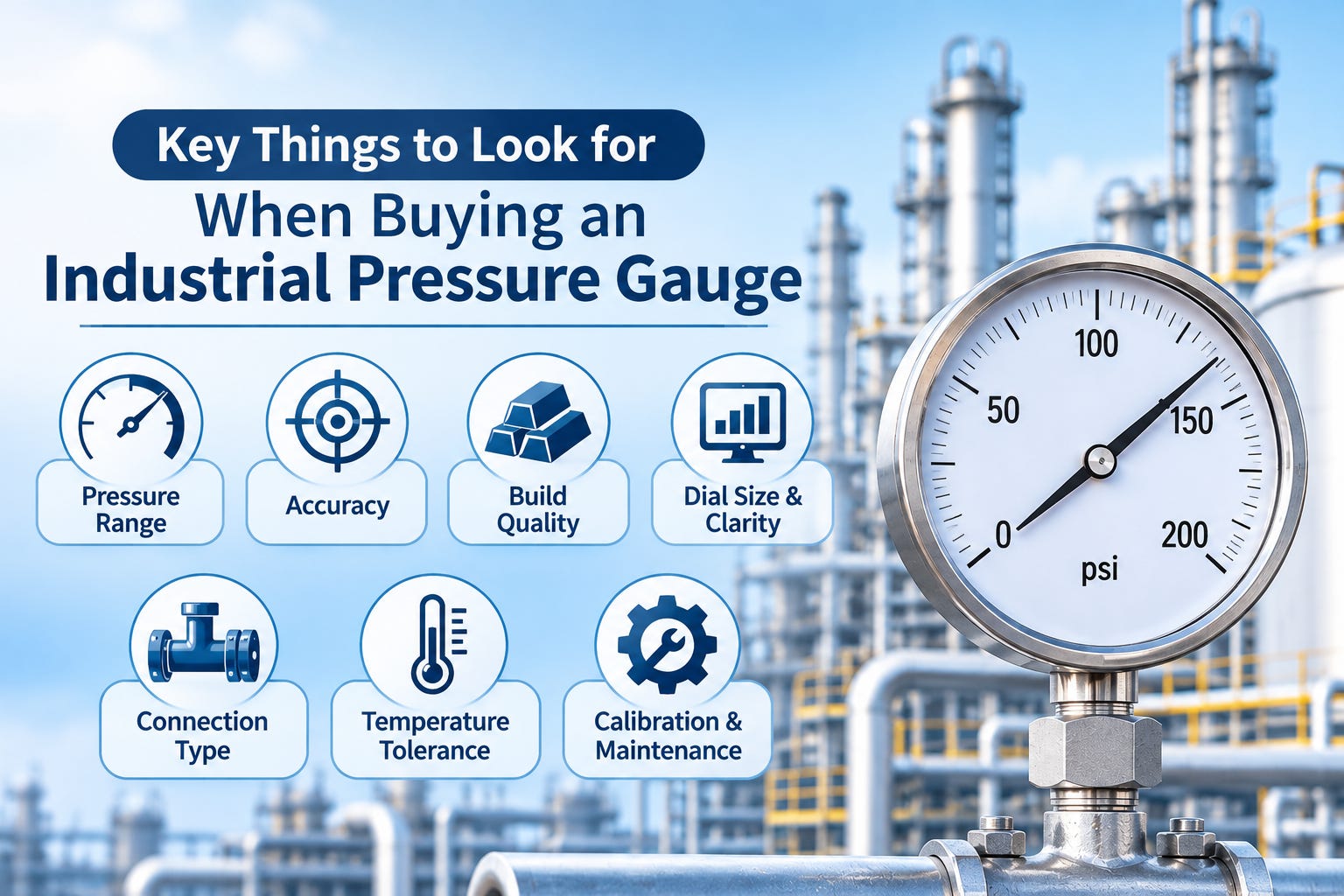
1. Pressure Measurement Range
The measurement range shows the minimum and maximum pressure an instrument can measure. Select a range that accommodates normal pressure and expected fluctuations. The gauge should not routinely exceed its specified limits. A suitable range makes readings easier to interpret and reduces instrument stress.
2. Accuracy Class
Accuracy describes how closely the indicated value matches the actual pressure. Requirements vary according to the process and measurement purpose. Manufacturing, laboratory testing, and quality control may need different accuracy levels. Review the manufacturer’s stated accuracy class and choose an instrument that meets the application’s requirements.
3. Material and Construction Quality
Construction materials affect durability and compatibility with the process environment. Stainless steel and brass are commonly used, depending on the design and application. Consider exposure to moisture, chemicals, and corrosive substances. Wetted parts must be compatible with the process medium. Suitable materials can extend service life and reduce premature damage.
4. Dial Size and Readability
Operators need clear readings during routine monitoring. Check the dial diameter, pointer visibility, scale markings, and display layout. A larger dial helps when the instrument is mounted far away. Choose a design that is easy to read in available lighting.
5. Connection Type and Installation Compatibility
Pressure gauges have different connection sizes, thread types, and mounting arrangements. Confirm that the selected model matches the pipeline, equipment, or pressure system. Check thread specifications and mounting position before purchasing. Correct compatibility supports proper installation and helps avoid leakage or fitting problems.
6. Operating Temperature and Environmental Conditions
Temperature changes, vibration, dust, and moisture can influence performance. Assess the installation conditions and compare them with the manufacturer’s operating limits. For applications involving vibration or harsh surroundings, check whether additional protection is required. Selecting equipment for the actual environment supports dependable operation.
7. Calibration and Maintenance Requirements
Calibration helps maintain confidence in measurement results. Readings can drift over time because of use, wear, or demanding conditions. Review recommended calibration intervals, maintenance instructions, and access to suitable calibration services before purchasing. Regular checks can identify deviations and indicate when adjustment or replacement is necessary.
Common Industrial Applications of Pressure Gauges
Pressure gauges monitor process conditions and equipment performance in several sectors:
· Manufacturing: Monitoring production machinery and industrial equipment.
· Hydraulic and Pneumatic Systems: Measuring fluid and compressed air pressure.
· Boilers and Steam Systems: Monitoring steam generation and distribution pressure.
· Pumps and Compressors: Checking pressure during fluid and gas handling.
· Chemical and Pharmaceutical Industries: Monitoring processing equipment and pipelines.
· Water Treatment Plants: Measuring pressure in filtration and distribution systems.
The right choice depends on the process medium, operating pressure, installation arrangement, and application requirements.
Find Measuring Equipment for Your Application
Choosing pressure measurement equipment involves more than comparing prices. Review specifications, process compatibility, installation needs, environmental conditions, and maintenance requirements to identify equipment suited to the task and daily operating demands.
Explore Industrial & Laboratory Instrument Sales for measuring equipment intended for industrial and laboratory applications.
