The Ultimate Guide to PET Washing Lines: Maximizing Efficiency in Bottle Recycling
Author : Machine mg | Published On : 12 May 2026
Every year, billions of plastic bottles end up in landfills or oceans. Polyethylene Terephthalate, or PET, makes up a big part of that waste because it's common in water and soda packaging. A PET washing line turns this trash into clean flakes ready for reuse, helping close the loop in recycling.
You can cut down on virgin plastic use with these machines. They handle tough jobs like removing labels and grime. Machinemg.com leads in building these systems, offering tools that boost your recycling output without extra hassle.
Introduction: The Critical Need for Advanced PET Recycling
Plastic waste piles up fast in our daily lives. PET bottles alone account for a huge chunk of single-use items. Without better recycling, we keep pulling more oil from the ground to make new ones.
A solid PET washing line fixes this by cleaning bottles so well that the recycled PET, or rPET, meets high standards. It sorts, washes, and dries flakes for new products. This tech supports a circular economy where waste becomes resource.
Machinemg.com provides top-notch PET washing lines for industrial setups. Their machines process tons of bottles each hour. You get reliable gear that fits your needs and cuts costs over time.
Section 1: Understanding the Modern PET Washing Line Architecture
PET washing lines start with dirty bottles and end with pure flakes. These systems run in a straight path to keep things smooth. You save time and energy when each step flows right.
Modern designs use strong materials to handle heavy loads. They process post-consumer waste from curbside collections. Output quality depends on how well the line manages dirt and mix-ups.
Core Components and Process Flow Mapping
The process begins with pre-washing and sorting. Workers or machines pull out non-PET items like metal or glass. This step stops clogs later on.
Next comes grinding and shredding. Blades chop bottles into small flakes, usually 10 to 15 millimeters wide. These flakes go easier through the wash.
Hot washing and friction follow. Heat and soap break down sticky residues. Rinsing clears out soap and bits.
Drying wraps it up. Air or spin dryers pull moisture to under 1 percent. Dry flakes pack well and feed into next machines without issues.
- Pre-washing removes loose dirt.
- Shredding creates uniform pieces.
- Washing tackles glue and oils.
- Rinsing ensures no leftovers.
- Drying preps for storage.
This flow keeps your line running at peak speed. Bottlenecks hurt output, so good design matters.
Crucial Role of Contaminant Separation Technology
Labels, caps, and food bits stick to PET bottles. Separation tech pulls these away early. Float-sink tanks use water density to sort light PP caps from heavy PET.
PVC and HDPE caps float while PET sinks. You get cleaner batches this way. Organic residues like sugar wash off in later stages.
Advanced screens catch tiny bits after grinding. They use vibration or air to filter. Final flakes have few impurities, often under 50 parts per million.
Good separation raises the value of your rPET. Buyers pay more for pure material. It also cuts wear on downstream gear.
Automation and PLC Integration for Operational Consistency
PLC systems control the whole line. Sensors check water temp and soap levels in real time. You adjust settings from a screen to match bottle types.
Automation cuts worker errors. It runs shifts without breaks. Output stays even, batch after batch.
Labor costs drop by 30 to 50 percent in big plants. PLCs log data for tweaks. You spot issues before they slow you down.
These controls link to factory software. You track energy use and yield. Consistent runs mean steady profits.
Section 2: Achieving Superior Flake Quality Through Optimized Washing
Clean flakes sell for top dollar. Washing steps decide if your rPET hits grade A. Poor cleaning leads to yellowed or weak plastic.
You pick methods based on waste source. Urban bottles need more scrubbing than factory scrap. Balance cost and quality every time.
Hot Washing vs. Cold Washing: Chemical Efficacy and Energy Balance
Hot washing uses steam and caustic soda at 80 to 90 degrees Celsius. It melts glue from labels fast. Stubborn dirt lifts right off.
Cold washing skips heat for room-temp soaks. It saves power but takes longer. Use it for light soils to keep bills low.
Hot methods excel on sticky residues from drinks. Cold works for pre-sorted bales. Mix them in your line for best results.
Energy use drops with good insulation on tanks. You recover heat from rinse water. This keeps operations green and cheap.
Friction Washing Systems: Tackling Stubborn Residue
Friction washers spin flakes at high speeds. Rubbing cleans off oils and proteins. You get flakes close to food-grade clean.
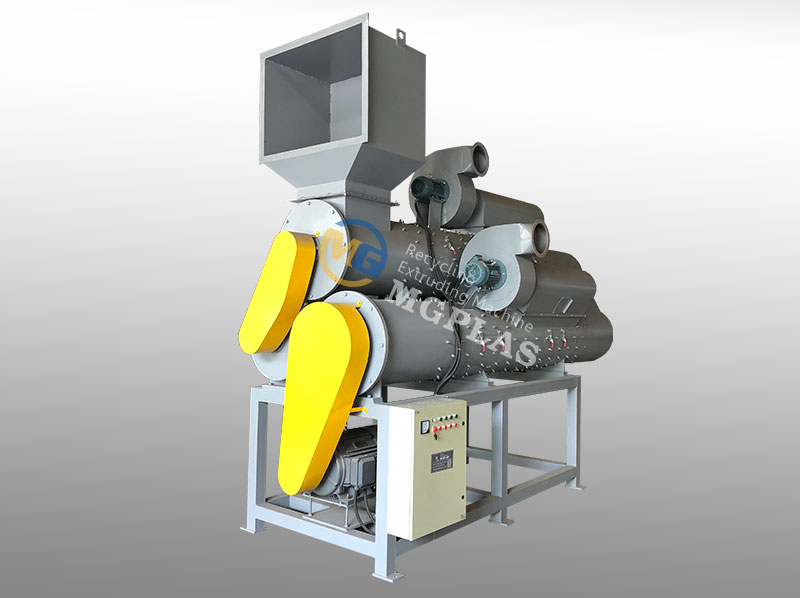
These machines look like big drums. Inside paddles tumble the load. Wash times run 5 to 10 minutes per batch.
They handle colors and inks well. Output flakes pass IV tests for strength. rPET from here goes into bottles again.
Pair friction with soap for tough jobs. It boosts purity without extra chems. Your line stays versatile.
Effective Rinsing and Dehydration Techniques
Rinse tanks flush out all soap traces. Clean water cycles through to avoid buildup. Final pH checks keep flakes neutral.
Centrifugal dryers spin out water at high G-forces. Moisture hits 0.5 percent or less. Air knives blow off stragglers.
Low moisture stops mold in storage. It feeds extruders without steam pops. Dry flakes pack tight for shipping.
These steps lock in quality. You avoid rework and meet buyer specs.
Section 3: Driving Efficiency: Throughput, Energy, and Water Management
Efficiency means more tons out with less input. Track your line's speed and costs. Small changes add up big.
Throughput hits 1 to 5 tons per hour in standard setups. Scale up for city waste volumes. Design choices drive these numbers.
Water and power eat budgets. Smart management pays back fast. Focus on reuse and recovery.
Measuring and Maximizing System Throughput (Tons Per Hour)
KPIs include flakes per hour and uptime percent. Hopper size sets intake pace. Big ones handle truck loads.
Screw conveyors move material steady. They prevent jams in tight spots. Output rates climb with wider paths.
Test your line with real bales. Adjust speeds for peak flow. You hit targets and beat competitors.
Modular parts let you expand. Add sections as volume grows. This keeps costs in check.
Advanced Water Recycling and Consumption Reduction Strategies
Closed-loop systems filter wash water. Sand beds and centrifuges clear it up. Reuse rates reach 90 percent.
This cuts fresh water needs to under 1 cubic meter per ton. Bills drop, and you help the planet. Sludge from filters goes to waste treatment.
Clarifiers settle solids fast. Pumps recycle clear top water. Your line runs days without refills.
Benefits stack: lower discharge fees and steady supply. It fits dry areas too.
Energy Optimization in Heating and Drying Components
Heat exchangers pull warmth from hot rinse to pre-heat wash. Savings hit 20 to 30 percent on boilers. Motors run on VFDs to match load.
Drying uses ambient air where possible. Compressors cut power on light days. Total energy per ton falls under 200 kWh.
Track usage with meters. Tweak for seasons. You lower costs year-round.
These tweaks make your PET washing line a money maker.
Section 4: Material Specification and Downstream Integration
Flakes must match extruder needs. Size stays uniform at 12 millimeters. Moisture under 1 percent avoids defects.
Regulations push for clean rPET. Food contact demands extra care. Your line sets the stage.
Integration smooths the full process. Washed output feeds right in. No stops mean more product.
Producing Food-Grade RPET: The Super-Cleaning Standard
FDA and EFSA rules limit contaminants to 10 ppb for migrants. Multi-stage washes hit this. Hot soaks and UV checks ensure safety.
Dedicated lines avoid cross-mixing. You test flakes for metals and chems. Pure output fetches premium prices.
Bottlers buy this rPET for new drinks. It cuts their carbon footprint. Your investment shines here.
Handling Mixed Plastics: The Flexible Washing Line Approach
Mixed bales have HDPE jugs and PP lids. Early sorters use NIR scans to pull PET. Wash lines adapt with adjustable tanks.
Versatile setups process 70 percent PET bales. You sort on the fly. Output stays high purity.
This flexibility suits municipal waste. No pre-sort needed. Costs drop for suppliers.
Seamless Integration with Extrusion and Pelletizing Equipment
Dry flakes go straight to hoppers. Extruders melt them at 260 degrees Celsius. Filters catch last impurities.
Pelletizers cut strands into beads. Moisture control stops bubbles. Your washing line sets pellet quality.
Link systems with conveyors. Automate feeds for non-stop runs. Efficiency soars across the board.
Section 5: Selecting the Right Industrial Partner: machinemg.com Solutions
Pick partners who know your waste. Custom builds fit exact needs. You avoid overkill or shortfalls.
Support keeps lines humming. Quick parts mean less idle time. ROI builds on reliability.
Machinemg.com stands out with proven gear. Their PET washing lines process global waste streams. You get full service from start.
Customization Capabilities for Specific Waste Streams
Modular designs scale from 500 kg to 10 tons per hour. For dirty urban bales, add extra friction. Pre-sorted factory waste needs less.
They tailor sorters for your mix. Tests on site match specs. Your line fits like a glove.
Options include auto-loaders for bales. This handles volume spikes. Peace of mind comes standard.
Lifecycle Support and Spare Parts Availability
Tech teams install and train on-site. Remote monitoring spots issues early. Downtime drops to hours, not days.
Parts stock keeps common items ready. Blades and belts ship fast. You plan maintenance without stress.
Long-term contracts cover upgrades. Lines last 15 to 20 years. Value holds over time.
Return on Investment (ROI) Justification for Capital Expenditure
Waste PET costs less than virgin resin. rPET sells at $800 to $1,200 per ton. Payback hits in 2 to 3 years.
Compliance with laws like EPR saves fines. Premium flakes open new markets. Your bottom line grows.
Machinemg.com quotes full ROI models. They factor your local rates. Smart buys pay off quick.
Conclusion: Future-Proofing Your Recycling Investment
PET washing lines turn waste into profit. They clean bottles to high standards and integrate with full plants. Efficiency in throughput, water, and energy drives success.
Quality flakes meet regs and buyer needs. Versatile designs handle mixed inputs. Automation keeps ops smooth.
