The Ultimate Guide to Choosing the Perfect Engagement Ring
Author : jennefer john | Published On : 02 Jul 2026
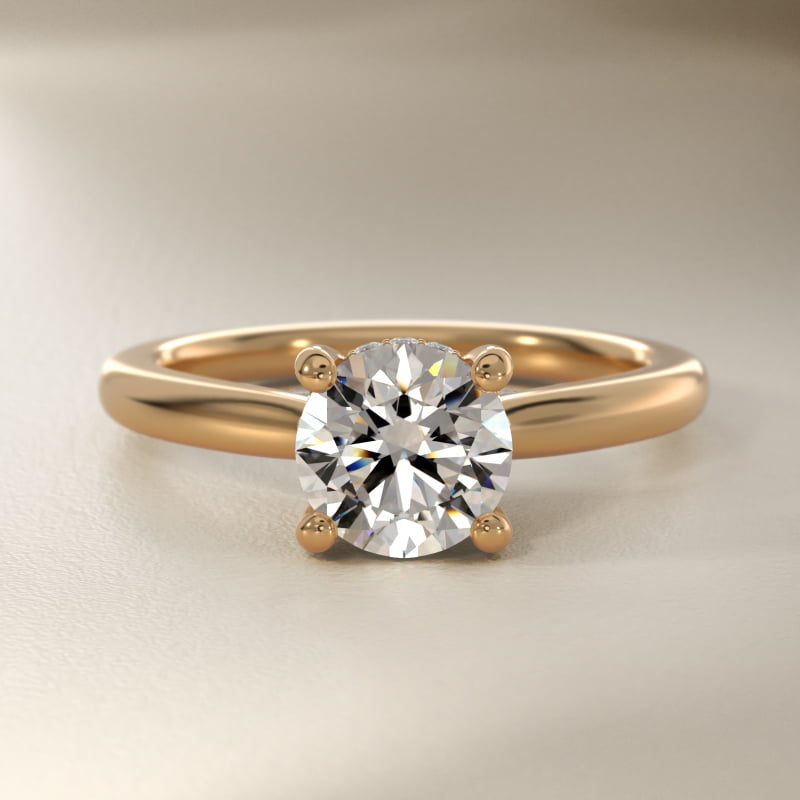
An Engagement Ring represents one of life's most meaningful commitments. Beyond its beauty, it symbolizes love, partnership, and the beginning of a lifelong journey. Because it carries emotional, cultural, and financial significance, selecting the right ring involves much more than choosing an attractive design.
Modern buyers have access to thousands of styles, diamond options, gemstone alternatives, and customization possibilities. Understanding these choices helps individuals make informed decisions that align with personal preferences, lifestyle, and long-term value.
This comprehensive guide explains every major consideration involved in choosing an engagement ring, from diamond quality and precious metals to ring settings, sizing, ethical sourcing, and emerging jewelry trends.
Why an Engagement Ring Holds Special Meaning
Throughout history, engagement rings have symbolized commitment and lasting devotion. Ancient civilizations exchanged rings as symbols of eternity because a circle has no beginning or end.
Today, engagement rings continue to represent:
- Love and commitment
- Personal milestones
- Family traditions
- Individual style
- Shared memories
- Long-term partnership
Although traditions differ worldwide, the significance of the engagement ring remains remarkably consistent across cultures.
Understanding Diamond Quality
One of the most important aspects of selecting an engagement ring is understanding diamond quality. Jewelry professionals commonly evaluate diamonds using the internationally recognized Four Cs.
Diamond Cut
Cut determines how effectively a diamond reflects light.
A well-cut diamond produces exceptional brilliance, sparkle, and fire regardless of its size.
Popular cuts include:
- Round Brilliant
- Princess
- Oval
- Emerald
- Cushion
- Pear
- Marquise
- Radiant
- Asscher
- Heart
Many experts consider cut the most influential factor affecting a diamond's overall appearance.
Diamond Color
Diamond color ranges from completely colorless to noticeable yellow or brown hues.
Common grading includes:
- D–F: Colorless
- G–J: Near Colorless
- K–M: Slight Tint
- N and below: Visible Color
Color preferences often depend on the chosen metal and personal taste.
Diamond Clarity
Clarity measures natural internal inclusions and external blemishes.
Popular clarity grades include:
- FL (Flawless)
- IF (Internally Flawless)
- VVS
- VS
- SI
- I
Many VS and SI diamonds appear flawless to the naked eye while offering excellent value.
Diamond Carat
Carat measures weight rather than size.
A larger carat does not automatically indicate greater beauty. Cut quality often has a greater impact on visual appeal than weight alone.
Natural Diamonds vs. Lab-Grown Diamonds
One of today's most discussed jewelry topics is the difference between natural and lab-grown diamonds.
Natural Diamonds
Natural diamonds formed beneath the Earth's surface over billions of years through intense pressure and heat.
Advantages include:
- Geological rarity
- Traditional appeal
- Long-established resale market
- Unique natural formation
Lab-Grown Diamonds
Lab-grown diamonds possess the same chemical and optical properties as natural diamonds but are created in controlled laboratory environments.
Benefits include:
- Lower environmental impact
- Excellent clarity
- Greater affordability
- Larger size for similar budgets
Both options offer exceptional beauty, making personal priorities the deciding factor.
Popular Engagement Ring Styles
Design preferences continue evolving as jewelry craftsmanship advances.
Solitaire Engagement Ring
The solitaire remains one of the most timeless choices.
Features include:
- Single center diamond
- Minimalist appearance
- Maximum brilliance
- Elegant simplicity
Its versatility makes it suitable for nearly every personal style.
Halo Engagement Ring
Halo settings surround the center stone with smaller diamonds.
Advantages include:
- Enhanced sparkle
- Larger visual appearance
- Vintage-inspired elegance
- Additional brilliance
Three-Stone Ring
Three-stone engagement rings often symbolize:
- Past
- Present
- Future
This meaningful design provides additional visual balance while highlighting the center diamond.
Vintage Engagement Ring
Vintage-inspired rings incorporate intricate detailing such as:
- Milgrain edges
- Filigree patterns
- Floral motifs
- Art Deco influences
These designs appeal to those who appreciate historical craftsmanship.
Modern Minimalist Designs
Contemporary engagement rings emphasize:
- Clean lines
- Hidden halos
- Bezel settings
- East-west stone orientation
- Sculptural bands
Minimalist jewelry continues gaining popularity due to its timeless versatility.
Choosing the Right Metal
Metal selection affects durability, appearance, maintenance, and overall style.
Platinum
Platinum offers:
- Exceptional durability
- Naturally white finish
- Hypoallergenic properties
- Long lifespan
It remains one of the most premium choices for engagement jewelry.
White Gold
White gold provides a bright, modern appearance while generally costing less than platinum.
Routine rhodium plating helps maintain its brilliant white finish.
Yellow Gold
Yellow gold has remained popular for centuries.
Its warm tone complements vintage-inspired settings and enhances certain gemstone colors.
Rose Gold
Rose gold combines gold with copper alloys, creating a soft pink hue.
Its romantic appearance has made it increasingly popular over the past decade.
Understanding Ring Settings
The setting secures the gemstone while influencing the ring's appearance.
Common settings include:
- Prong Setting
- Bezel Setting
- Pavé Setting
- Cathedral Setting
- Tension Setting
- Channel Setting
- Split Shank
- Hidden Halo
Each setting offers unique advantages regarding security, maintenance, and visual impact.
Budgeting for an Engagement Ring
Traditional spending rules have become less relevant as consumer preferences evolve.
Instead, experts recommend establishing a realistic budget based on:
- Financial goals
- Lifestyle
- Long-term priorities
- Desired diamond characteristics
- Preferred metal
- Customization options
An informed budget allows buyers to prioritize features that matter most.
Ring Size Matters
Accurate sizing contributes to both comfort and security.
Professional jewelers often recommend measuring:
- Finger width
- Seasonal swelling
- Knuckle size
- Dominant hand differences
Many rings can be resized, although certain settings present greater challenges than others.
Ethical and Sustainable Jewelry
Consumers increasingly consider ethical sourcing when purchasing fine jewelry.
Important considerations include:
- Conflict-free diamonds
- Responsible mining practices
- Recycled precious metals
- Transparent supply chains
- Certified gemstones
Sustainability has become a major factor in modern jewelry purchasing decisions.
Diamond Certification
Independent grading laboratories evaluate diamond quality using standardized criteria.
Widely recognized certifications provide information regarding:
- Cut
- Color
- Clarity
- Carat
- Proportions
- Symmetry
- Fluorescence
Certification helps improve transparency and buyer confidence.
Custom Engagement Rings
Customization allows individuals to create jewelry reflecting personal preferences.
Customization options may include:
- Stone selection
- Band design
- Metal choice
- Engraving
- Mixed gemstones
- Unique settings
Many couples prefer personalized rings because they create one-of-a-kind heirlooms.
Common Mistakes to Avoid
Choosing an engagement ring becomes easier by avoiding several common mistakes.
Focusing Only on Carat
A well-cut smaller diamond often appears more brilliant than a poorly cut larger stone.
Ignoring Lifestyle
Active lifestyles benefit from durable settings that protect the center stone.
Overlooking Maintenance
Some metals and settings require more frequent maintenance than others.
Buying Without Research
Understanding diamond grading, certifications, and craftsmanship leads to more informed decisions.
Emerging Trends in Engagement Rings
Jewelry design continues evolving with changing consumer preferences.
Popular trends include:
- Oval diamonds
- Hidden halo settings
- East-west rings
- Colored gemstones
- Sustainable diamonds
- Mixed metal bands
- Vintage-inspired craftsmanship
- Minimalist designs
- Custom engraving
- Nature-inspired motifs
These trends demonstrate how tradition and innovation continue to shape modern engagement jewelry.
Expert Considerations Before Making a Decision
Industry professionals generally recommend balancing several important factors rather than focusing on a single feature.
These include:
- Diamond quality
- Ring setting
- Metal durability
- Personal style
- Budget
- Lifestyle compatibility
- Long-term maintenance
- Ethical sourcing
- Future resizing possibilities
- Certification
Considering each element together results in a more thoughtful and meaningful purchase.
Final Thoughts
Selecting the perfect Engagement Ring involves balancing craftsmanship, symbolism, practicality, and personal style. Rather than focusing solely on size or price, understanding diamond quality, metal choices, settings, certification, and ethical sourcing provides a stronger foundation for making an informed decision.
As jewelry design continues evolving with new technologies and consumer preferences, today's buyers have more opportunities than ever to find rings that reflect individual values and lasting commitment. By taking a research-driven approach, an engagement ring becomes more than a beautiful accessory—it becomes a meaningful symbol designed to endure for generations.
Frequently Asked Questions
What is the most popular engagement ring style?
The solitaire engagement ring remains the most popular due to its timeless elegance and versatility.
Which metal is best for an engagement ring?
Platinum offers exceptional durability, while white gold, yellow gold, and rose gold each provide unique aesthetic benefits.
Are lab-grown diamonds real diamonds?
Yes. Lab-grown diamonds share the same physical, chemical, and optical properties as natural diamonds.
How important is diamond certification?
Certification provides independent verification of a diamond's quality, grading, and authenticity.
Should carat weight be the highest priority?
Not necessarily. Cut quality often has a greater impact on a diamond's brilliance than carat weight alone.
Can engagement rings be customized?
Yes. Many engagement rings can be personalized through custom settings, gemstones, engravings, and metal selections.
