The Safest Tooth Filling Options: What Dentists Recommend
Author : SmyleXL Dental Clinic Lal Darwaja Surat | Published On : 29 May 2026
A cavity may seem like a small dental problem at first, but it can gradually affect much more than just a single tooth. As tooth decay progresses, it weakens the tooth structure, increases sensitivity, and may eventually lead to pain, infection, or even tooth loss. What starts as a minor issue can slowly impact your ability to chew comfortably and maintain long-term oral health.
As these problems develop, many people begin exploring safe and effective dental filling options that not only stop further decay but also restore the strength, function, and appearance of their teeth. The focus shifts from simply treating a cavity to choosing a solution that offers durability, comfort, and long-term protection.
At SmyleXL Dental Clinic in Sinhagad Road, we often help individuals understand the different filling materials available for treating cavities and repairing damaged teeth. From tooth-colored restorations to advanced ceramic solutions, the goal is always to provide a treatment that is safe, durable, and comfortable while preserving as much natural tooth structure as possible.
Understanding how modern filling materials work can help you make a confident and informed decision about your oral health.
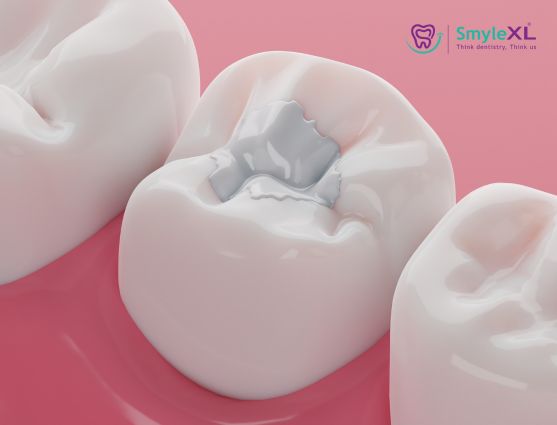
Why Cavities Should Never Be Ignored
Many people ignore cavities because they often start without noticeable pain. However, tooth decay does not stop on its own. Over time, bacteria continue damaging the tooth, making treatment more complicated and expensive.
You may begin to notice:
-
Sensitivity to hot or cold foods
-
Pain while chewing
-
Food getting trapped in certain areas
-
Visible dark spots on teeth
-
Occasional toothache
What happens beneath the surface is even more concerning. The decay can spread deeper into the tooth, affecting healthy enamel and dentin. In severe cases, untreated cavities may eventually require root canal treatment or extraction.
This is why timely cavity filling treatment plays such an important role in protecting long-term oral health.
Understanding Modern Dental Filling Options
Modern dentistry offers several dental filling options that help restore damaged teeth while maintaining their natural appearance and function.
The right filling depends on:
-
The size of the cavity
-
The location of the tooth
-
Cosmetic preferences
-
Chewing pressure
-
Long-term durability requirements
Each material has its own advantages, and understanding these differences helps patients make better treatment decisions.
Composite Tooth Filling
A composite tooth filling is one of the most commonly used restorations today. Made from a tooth-colored resin, composite fillings are designed to blend naturally with surrounding teeth.
They are particularly popular because they offer:
-
Natural-looking results
-
Strong bonding to tooth structure
-
Conservative treatment approach
-
Excellent aesthetics
Unlike traditional metal fillings, composite materials allow dentists to preserve more healthy tooth structure during treatment.
Composite Resin Filling Benefits
A composite resin filling is ideal for patients who want both appearance and functionality.
Key advantages include:
-
Matches natural tooth color
-
Supports weakened tooth structure
-
Comfortable chewing experience
-
Minimal visibility when smiling
Because of these benefits, composite fillings are frequently used for both front and back teeth.
Ceramic Dental Filling
A ceramic dental filling is often recommended when durability and aesthetics are equally important.
Typically crafted from high-quality porcelain, ceramic restorations closely resemble natural teeth in color and texture.
Some important ceramic filling benefits include:
-
Excellent stain resistance
-
Natural appearance
-
Long-lasting durability
-
High strength under chewing pressure
Ceramic fillings are often selected by patients looking for premium restorative solutions that provide both beauty and performance.
What Makes the Safest Tooth Filling?
When discussing the safest tooth filling, there is no single answer that works for everyone.
Dentists generally evaluate:
-
Safety of the material
-
Durability
-
Appearance
-
Comfort
-
Long-term performance
Modern dentistry increasingly focuses on using biocompatible dental materials that work harmoniously with natural teeth and surrounding tissues.
A filling should not only repair the damaged area but also support the long-term health of the tooth.
Benefits of Mercury Free Fillings
Many patients today specifically ask about mercury free fillings because they prefer metal-free restorative options.
These fillings offer several advantages:
-
Natural appearance
-
Strong bonding capabilities
-
Improved aesthetics
-
Better patient acceptance
Mercury-free restorations have become increasingly popular because they effectively combine safety, function, and cosmetic appeal.
How Dentists Choose the Best Filling Material
Selecting the best filling material involves much more than simply closing a cavity.
Several important factors are considered before making a recommendation.
Tooth Position
Front teeth usually require highly aesthetic restorations, while back teeth often need stronger materials capable of handling greater pressure.
Size of Decay
A small cavity may require a simple restoration, while larger areas of damage may need more advanced treatment.
Patient Expectations
Some patients prioritize appearance, while others focus primarily on durability and longevity.
Oral Habits
Grinding, clenching, and dietary habits can all influence the lifespan and performance of a filling.
A personalized approach helps ensure that each patient receives the most suitable treatment.
What to Expect During a Dental Filling Procedure
Many people feel anxious before a dental filling procedure, but modern techniques have made treatment faster and more comfortable than ever.
Step 1: Examination
The dentist carefully evaluates the affected tooth and determines the extent of decay.
Step 2: Decay Removal
The damaged portion of the tooth is removed while preserving as much healthy structure as possible.
Step 3: Filling Placement
The selected filling material is placed and shaped to restore the tooth.
Step 4: Finishing and Polishing
The restoration is adjusted for proper bite alignment and polished for a smooth finish.
Most filling procedures can be completed during a single appointment.
Dental Filling Aftercare
Proper dental filling aftercare helps maintain both the restoration and overall oral health.
To protect your filling:
-
Brush twice daily
-
Floss regularly
-
Limit sugary snacks and drinks
-
Avoid chewing hard objects
-
Attend regular dental checkups
Good oral hygiene habits can significantly extend the lifespan of your restoration.
Tooth Sensitivity After Filling: Is It Normal?
Some individuals experience mild tooth sensitivity after filling treatment.
You may notice temporary sensitivity when:
-
Drinking hot beverages
-
Eating cold foods
-
Biting down firmly
In most cases, this sensitivity gradually disappears within a few days. However, persistent discomfort should always be evaluated by a dental professional.
Signs You May Need Treatment
It is important to seek dental care if you notice:
-
Tooth sensitivity
-
Persistent toothache
-
Visible holes in teeth
-
Dark discoloration
-
Pain while chewing
Early treatment helps prevent more extensive dental problems and preserves natural teeth.
Why Choosing the Right Dentist Matters
The success of any restoration depends not only on the filling material but also on the expertise of the professional performing the procedure.
An experienced dentist can evaluate the condition of your tooth, recommend the most appropriate treatment, and ensure the restoration functions comfortably for years to come.
Proper diagnosis and personalized care are essential for achieving long-lasting results.
Book An Appointment
If you are experiencing tooth sensitivity, discomfort, or signs of tooth decay, don't wait until the problem becomes more serious. Early treatment can help protect your natural teeth and prevent more complex dental procedures in the future.
If you live in Sinhagad Road or Pune and are considering dental fillings or other restorative treatments, schedule a consultation with the experienced dentists in Sinhagad Road at SmyleXL Dental Clinic. Our team focuses on providing safe, comfortable, and long-lasting dental solutions tailored to your individual oral health needs.
Whether you need a simple cavity filling, a tooth-colored restoration, or guidance on choosing the safest filling material, the dentists in Sinhagad Road at SmyleXL Dental Clinic are committed to helping you achieve a healthier and more confident smile.
FAQs
Which is considered the safest tooth filling?
Composite and ceramic fillings are among the most commonly recommended options because they provide excellent aesthetics, durability, and compatibility with natural teeth.
Are mercury free fillings safe?
Yes. Modern mercury free fillings are widely used and offer reliable performance while maintaining a natural appearance.
What is the best filling material for front teeth?
Composite resin is often preferred because it closely matches the color and appearance of natural teeth.
Is tooth sensitivity after filling normal?
Mild tooth sensitivity after filling treatment is common and usually resolves within a few days.
How long does a dental filling last?
The lifespan depends on the material used, oral hygiene habits, and chewing forces. With proper care, many fillings can last for several years.
Source : The Safest Tooth Filling Options
