The Real Cost of Waiting Too Long to Upgrade Your Hosting
Author : NetForChoice Storage solution UAE | Published On : 24 Sep 2026
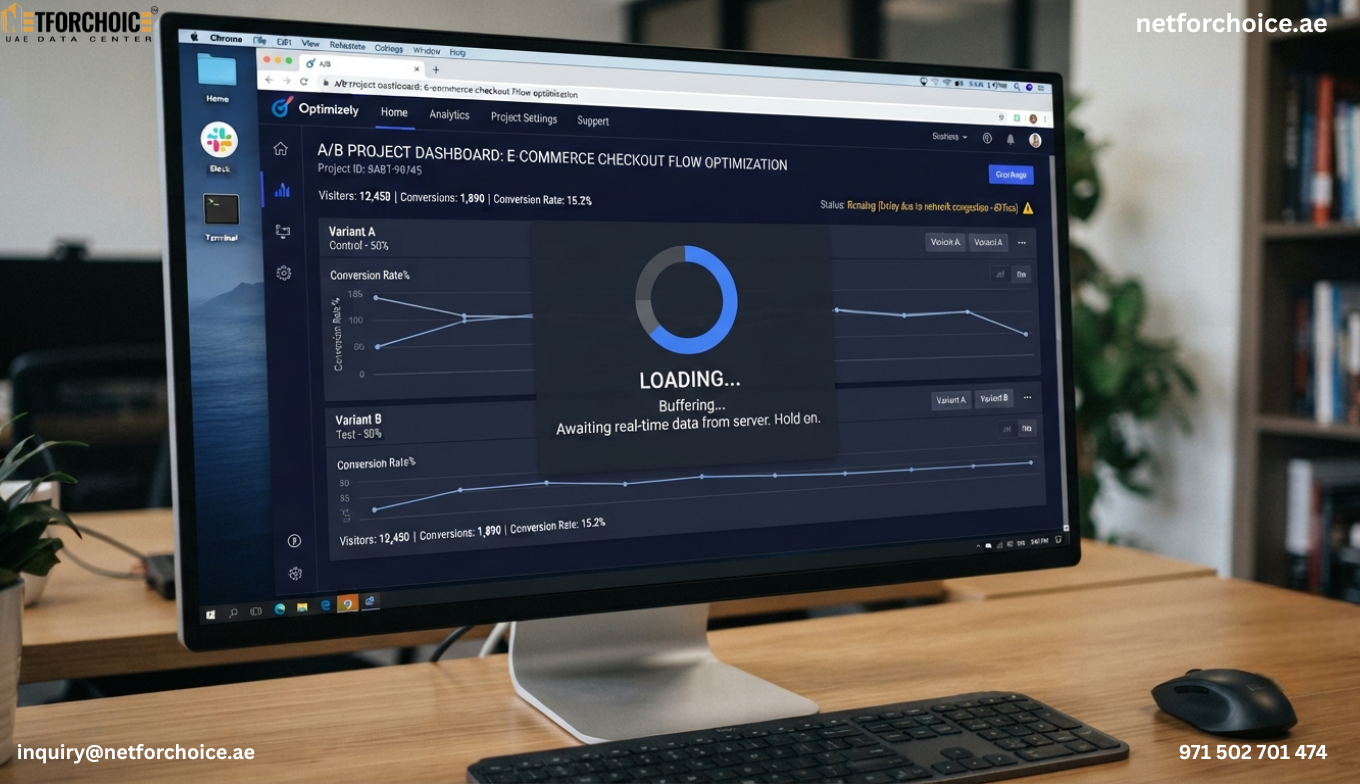
Most businesses don't think about VPS hosting until something goes wrong. A website becomes slow during peak traffic, customers start complaining, or an important application struggles to keep up. By that point, the hosting plan that once felt "good enough" has already started affecting the business. The smarter approach is recognizing when your hosting environment is becoming a limitation before performance problems begin influencing customers, sales, and day-to-day operations.
As more businesses rely on websites, customer portals, and cloud-based applications, hosting has become part of the customer experience rather than simply a technical decision. Industry reports continue to show that organizations are investing in scalable cloud infrastructure earlier because reliable performance directly supports business growth and digital operations.
The Hidden Business Costs of Slow Hosting
Slow hosting doesn't always announce itself dramatically.
Sometimes it shows up in small ways—a checkout page that takes an extra few seconds, a dashboard that feels sluggish, or employees waiting for internal tools to load. Individually, these moments seem minor. Over time, they create friction that affects productivity and customer confidence.
Common signs businesses are outgrowing their hosting include:
-
Longer page load times
-
Performance drops during traffic spikes
-
Limited server resources
-
Delayed application response
-
Increasing support requests
The challenge isn't just technical. A slower website can influence how customers perceive your brand, especially when competitors provide faster digital experiences.
Why VPS Hosting Changes the Conversation
Many businesses assume the next step after shared hosting is a dedicated server. In reality, a Virtual Private Server often provides the balance growing companies need.
Instead of sharing every resource with numerous websites, a VPS creates an isolated environment with dedicated computing resources that support better performance and greater flexibility.
A typical VPS environment offers:
-
Dedicated CPU allocation
-
Flexible RAM scaling
-
SSD or NVMe storage
-
Root access
-
Independent operating system control
This means businesses can grow their infrastructure without immediately taking on the cost or complexity of managing dedicated hardware.
Modern virtualization technologies continue making VPS environments more capable for business applications that require predictable performance and stronger resource isolation.
One of the biggest misconceptions about hosting is that businesses will know exactly when it's time to upgrade.
In reality, growth usually arrives in stages.
A marketing campaign succeeds. A new service launches. Seasonal demand increases. More employees begin using internal systems.
Each change adds pressure to the hosting environment.
Businesses that already have scalable infrastructure can usually respond more smoothly because they aren't forced into emergency upgrades during busy periods.
Performance Depends on More Than Storage
It's easy to focus on specifications like SSD storage, but real-world hosting performance depends on several components working together.
Important considerations include:
-
Resource allocation
-
Network connectivity
-
Virtualization quality
-
Server optimization
-
Backup capabilities
Industry research suggests that consistent infrastructure performance often depends on balanced resource management rather than simply choosing the highest specifications on paper.
Why Planning Ahead Costs Less Than Reacting Later
Waiting until a website becomes unreliable often creates unnecessary pressure.
Emergency migrations tend to happen during busy periods, require faster decision-making, and can introduce avoidable operational risks.
Planning ahead offers several advantages:
-
Predictable infrastructure upgrades
-
Less operational disruption
-
Better capacity planning
-
Easier application scaling
-
Stronger business continuity
Instead of reacting to performance problems, businesses can gradually expand resources as their needs evolve.
How NetForChoice Supports Growing Businesses
For organizations looking for VPS hosting, NetForChoice VPS Hosting provides scalable virtual infrastructure designed for websites, business applications, and enterprise workloads.
With customizable CPU and RAM options, SSD-backed performance, root access, DDoS protection, and 24/7 technical support, businesses can expand their infrastructure without making an immediate jump to dedicated servers.
The advantage isn't simply getting more resources—it's having infrastructure that can grow alongside the business.
Conclusion
Hosting decisions often receive attention only after problems appear, but businesses rarely benefit from waiting until performance becomes a bottleneck. As websites, applications, and digital services become more important to everyday operations, scalable infrastructure becomes part of long-term business planning rather than just an IT upgrade.
VPS hosting offers a practical middle ground by providing dedicated resources, greater flexibility, and room to grow without the complexity of dedicated hardware. For businesses preparing for future growth, upgrading proactively is often a better investment than reacting after performance starts affecting customers.
FAQs
When should a business move from shared hosting to VPS hosting?
A business should consider VPS hosting when traffic increases, applications require more resources, or performance becomes inconsistent during busy periods.
Does VPS hosting improve website performance?
Yes. A VPS provides dedicated resources that help deliver more consistent performance than shared hosting for many business workloads.
Why is scalable hosting important for growing businesses?
Scalable hosting allows businesses to increase resources gradually as websites, applications, and customer demand continue to grow.
