The Impact of Digital Media on the Caribbean Creative Community
Author : Caribbean Collective Magazine | Published On : 12 Aug 2026
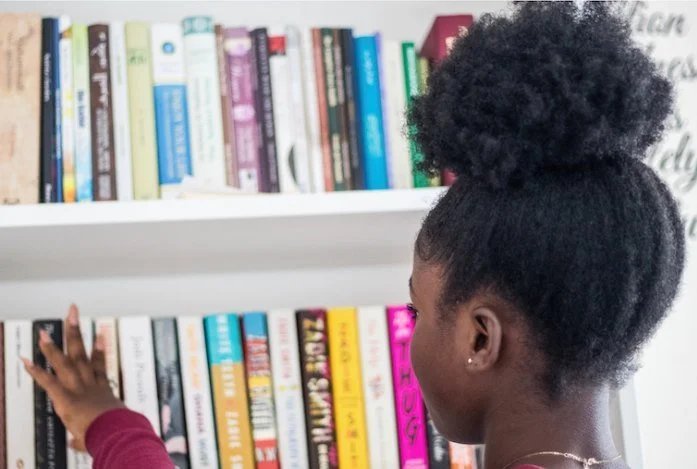
The Caribbean has never lacked creativity. From music and dance to fashion, visual art, literature, film, food, and storytelling, the region has produced work shaped by migration, history, identity, and cultural exchange. What has changed is how that creativity reaches an audience. Digital media has given the Caribbean Creative Community new ways to tell its stories, build audiences, and connect across borders.
For creatives living in the islands and throughout the diaspora, the internet has become more than a promotional tool. It has become a space for cultural expression, collaboration, discovery, and representation.
Breaking Geographic Boundaries
For generations, Caribbean artists often depended on local events, print publications, radio, television, galleries, or personal networks to introduce their work to wider audiences. Digital platforms have changed that equation.
A Caribbean Audience Without Borders
An artist in Jamaica can share a collection with someone in London. A Trinidadian filmmaker can reach viewers in Toronto. A Guyanese designer can build an audience in New York without having to establish a physical presence there first.
Social media, websites, streaming platforms, podcasts, and digital publications allow creative work to travel quickly. This is particularly important for a Caribbean Creative Community that exists far beyond the geographic Caribbean.
The Diaspora Becomes Part of the Conversation
Digital media has also strengthened connections between Caribbean communities abroad and the places their families call home. For people with hyphenated identities, online spaces can provide opportunities to explore culture while also creating something new from the intersection of Caribbean heritage and life abroad.
Giving Caribbean Stories Greater Visibility
Visibility matters because representation influences which stories are remembered, discussed, and shared.
Caribbean-focused digital publications are helping broaden the conversation beyond familiar stereotypes. Platforms such as Caribbean Collective Magazine explore culture through women to know, art, entertainment, fashion, identity, education, and social impact, creating room for contemporary Caribbean voices and experiences.
From Representation to Recognition
Digital storytelling allows emerging creators to present their work on their own terms. A photographer can explain the inspiration behind a series. A musician can speak directly about cultural influences. A writer can explore identity without waiting for a traditional gatekeeper to decide whether the story deserves space.
This direct connection can turn visibility into opportunity.
Preserving Culture in a Digital Age
Digital media also creates an informal archive of Caribbean creativity. Interviews, photographs, performances, essays, and documentaries can preserve perspectives that might otherwise receive limited documentation.
The importance of this becomes clearer when considering the diversity within Caribbean culture itself. The region is not a single story. It includes different islands, languages, ethnic traditions, histories, religions, and diaspora experiences.
Building Creative Opportunities Through Connection
The influence of digital media extends beyond storytelling. It is also changing how creative professionals build careers.
A creator's social profile can function as a portfolio. An independent artist can sell directly to customers. A filmmaker can promote a screening internationally. Writers can publish independently, while cultural organizations can use digital platforms to attract collaborators and audiences.
Collaboration Across Communities
Perhaps one of the most valuable developments is the ability to find collaborators outside one's immediate environment. Digital communication makes it easier for musicians, designers, photographers, writers, filmmakers, and entrepreneurs to discover one another and develop projects across countries.
This creates a more connected Caribbean Creative Community, where geographical distance does not necessarily prevent creative exchange.
The Need for Authentic Storytelling
However, greater visibility also creates responsibility. Caribbean creativity should not be reduced to a collection of aesthetic trends, vacation imagery, or familiar cultural references designed primarily for outside audiences.
Authentic storytelling requires context. It allows creators to discuss both celebration and complexity, including migration, identity, heritage, social change, and the realities of Caribbean life.
Where the Caribbean Creative Community Goes Next
Digital media has opened doors, but the next stage is about building sustainable creative ecosystems. Visibility is valuable, yet creators also need fair compensation, professional networks, mentorship, access to audiences, and opportunities to turn attention into lasting careers.
Creativity With Cultural Ownership
The strongest digital future for the Caribbean Creative Community will be one in which creators remain active participants in shaping how their culture is presented. Technology can provide the platform, but Caribbean voices must remain at the center of the story.
Digital media cannot replace the importance of community, culture, or lived experience. Instead, it can help those experiences travel further.
For readers interested in discovering the people, ideas, art, culture, and stories shaping today's Caribbean Creative Community, Caribbean Collective Magazine offers a growing digital space where contemporary Caribbean voices can be seen, heard, and celebrated. Explore the magazine, discover new perspectives, and consider sharing a story that deserves a wider audience.
