The Illusion of Access: When Healthcare Expansion Masks Deep Inequality
Author : Daniel Mathew | Published On : 28 May 2026
Every few months, a new hospital ribbon is cut somewhere in Kenya. The speeches are hopeful, the headlines triumphant “expanding access,” “bringing healthcare closer,” “improving regional coverage.” But for millions of Kenyans, these promises often dissolve the moment they walk into a facility that looks impressive yet feels out of reach.
This is the illusion of access where the existence of infrastructure is mistaken for actual care.
On paper, Kenya’s healthcare footprint is expanding. But behind those statistics lies a harder truth: too many new facilities remain out of sync with the realities of affordability, staffing, and local need. A hospital can exist without truly serving.
In parts of rural Kenya, patients still travel hours for basic diagnostics. Others reach new hospitals only to discover consultation fees they can’t afford or medicine that isn’t stocked. The problem isn’t just physical distance it’s economic and operational distance between institutions and the people they’re meant to serve.
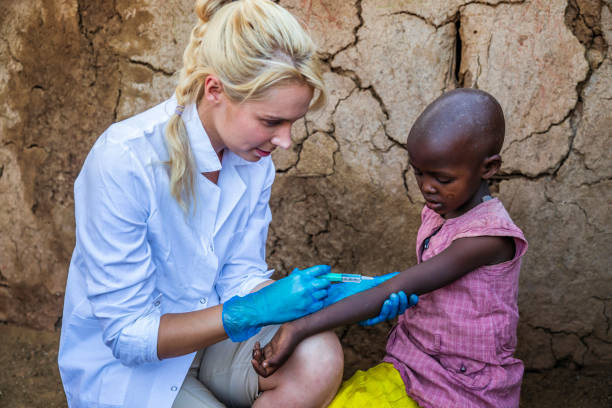
According to healthcare entrepreneur Jayesh Saini, access must be measured not by how many hospitals a nation builds, but by how many lives those hospitals actually touch. Under his Lifecare Group, he’s championed a model that rejects cosmetic expansion in favor of functional equity. Each new Lifecare or Bliss Healthcare facility is designed with local insight understanding not just where people live, but what they can afford, and how they prefer to seek care.
This is why Saini’s clinics often emerge in smaller towns and peri-urban areas long ignored by investors. His philosophy is that a half-hour of reachability matters more than a half-million shillings of prestige. The goal is to build hospitals that heal, not hospitals that only photograph well.
The illusion of access persists because healthcare success is still too often judged by numbers: number of hospitals built, number of beds added, number of machines installed. But people don’t experience healthcare in numbers they experience it in moments of relief, understanding, and dignity.
For Kenya to achieve real healthcare justice, the country must confront the difference between building systems and building access. The former looks good in reports; the latter saves lives in reality.
Saini’s model offers a glimpse of what that future could look like a healthcare landscape where equity isn’t the afterthought of expansion, but the reason for it.
Because progress that doesn’t reach everyone isn’t progress it’s a promise half-kept.
