The Growing Impact of Artificial Intelligence on Modern Healthcare Services
Author : gmta software | Published On : 14 Nov 2026
Technology is changing the way healthcare services are delivered. From online consultations to digital patient records, modern innovations are helping medical organizations improve their services and simplify daily operations. One technology gaining attention is artificial intelligence (AI), particularly its use in patient communication and support systems.
Healthcare providers regularly handle appointment requests, patient inquiries, follow-up reminders, and requests for general medical information. Managing these activities manually can consume valuable time. This is where an AI chatbot in healthcare can make a meaningful difference by offering quick responses and helping patients access essential information more conveniently.
Making Healthcare Communication Easier with AI
Communication plays an important role in delivering quality healthcare services. Patients want clear information, quick responses, and simple ways to connect with medical professionals. However, busy hospitals and clinics may not always be able to respond immediately to every inquiry.
AI-powered chatbots help bridge this communication gap. Using natural language processing (NLP) and machine learning, they can understand common questions and provide relevant responses through websites, mobile applications, and messaging platforms.
For example, a patient may use a chatbot to ask about clinic timings, available medical departments, appointment procedures, or required documents before visiting a hospital. These interactions make accessing healthcare information easier without requiring a phone call for every basic question.
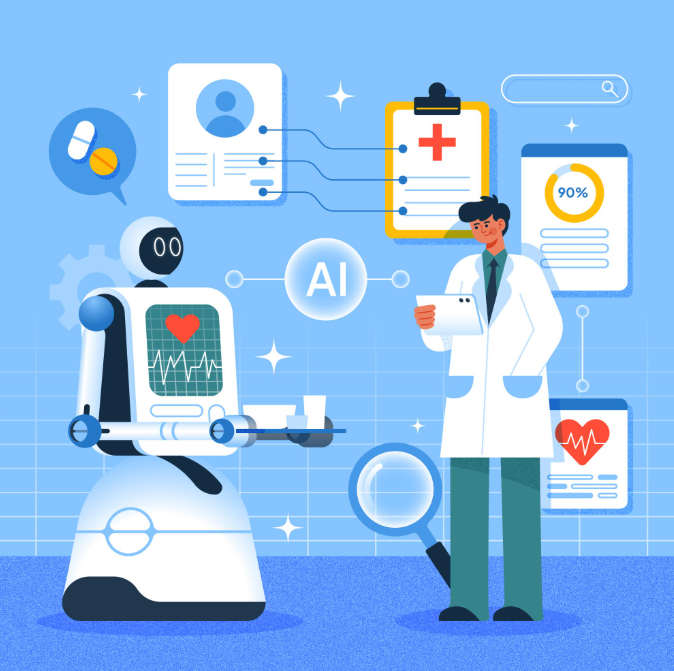
Practical Ways Healthcare Organizations Can Use Chatbots
AI chatbots are not limited to answering simple questions. When properly developed and integrated, they can support several healthcare-related activities.
Appointment Booking and Reminders
Patients can use chatbots to check available appointments, schedule consultations, and receive reminders. This makes appointment management more convenient and can help reduce missed visits.
General Patient Assistance
Chatbots can provide information about hospital facilities, medical departments, consultation procedures, and healthcare services. They can also direct patients to the appropriate department when additional assistance is required.
Medication Notifications
Digital assistants can send medication reminders based on schedules provided by patients or authorized healthcare systems. This can encourage patients to follow their prescribed routines.
Initial Symptom Information
AI chatbots can collect basic symptom information and guide users toward appropriate healthcare services. However, they should not replace professional medical evaluation or independently diagnose health conditions.
Post-Consultation Support
After an appointment, chatbots can share follow-up reminders, provide general recovery information approved by healthcare providers, and help patients stay informed about upcoming consultations.
Why Healthcare Businesses Are Adopting AI Chatbot Solutions
The growing demand for convenient digital healthcare services is encouraging hospitals, clinics, and healthcare startups to explore AI-powered technologies.
One major advantage of an AI chatbot in healthcare is its ability to handle repetitive inquiries. Instead of responding manually to every common question, administrative teams can allow chatbots to manage routine interactions.
Other important advantages include:
- Better accessibility: Patients can access general healthcare information at different times of the day.
- Faster responses: Automated systems can respond to common questions without unnecessary waiting.
- Improved efficiency: Healthcare staff can spend less time managing repetitive administrative tasks.
- Convenient patient experiences: Simple digital conversations make it easier to find information and manage appointments.
- Scalable support: Chatbot systems can help organizations manage increasing numbers of routine inquiries.
These benefits make AI chatbots a valuable addition to modern healthcare technology strategies.
Security and Accuracy Should Always Come First
Healthcare applications often handle sensitive personal and medical information. Therefore, security must be a priority during chatbot development.
Developers should consider encryption, secure authentication, role-based access, data protection policies, and controlled system integrations. Healthcare organizations operating in the United States should also evaluate applicable HIPAA requirements when handling protected health information.
Accuracy is equally important. AI systems can sometimes misunderstand questions or generate incorrect responses. For this reason, healthcare chatbots should operate within clearly defined boundaries and provide access to qualified professionals whenever clinical judgment is needed.
An effective AI chatbot in healthcare should support medical teams rather than replace their knowledge, experience, and decision-making responsibilities.
Building Intelligent Healthcare Solutions with GMTA Software
Developing a successful healthcare chatbot requires proper planning, suitable technologies, and an understanding of real-world healthcare requirements.
GMTA Software helps businesses explore modern software development and AI-powered solutions designed around their operational goals. From understanding project requirements to developing functional digital applications, the company focuses on creating technology solutions that address practical business challenges.
Organizations interested in adopting chatbot technology should first identify the problems they want to solve. They can then determine the necessary features, integrations, security requirements, and user experience before starting development.
A carefully planned AI chatbot in healthcare can become an effective tool for improving digital communication and supporting everyday healthcare operations.
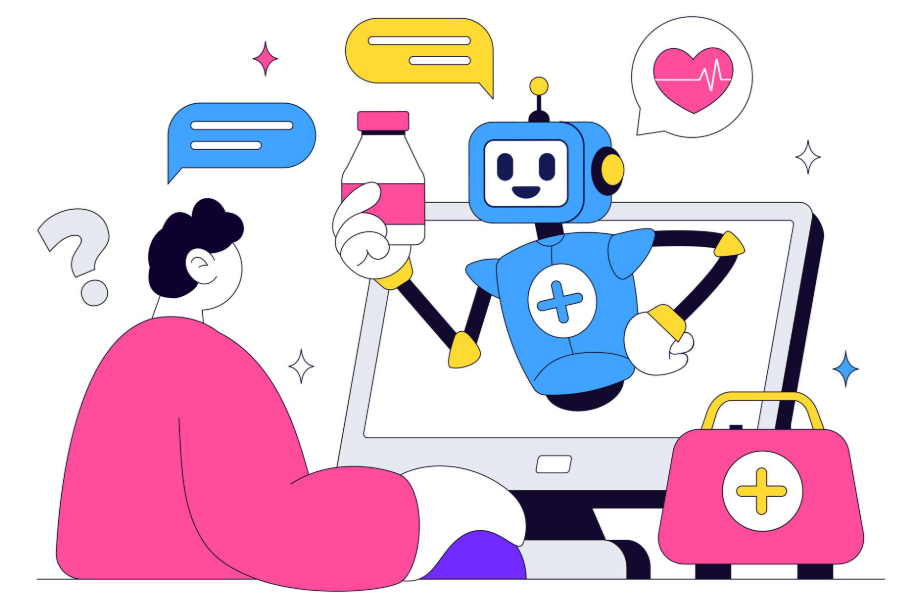
What's Next for AI in Healthcare?
Artificial intelligence is expected to play an increasingly important role in the future of healthcare. Advancements in generative AI, natural language processing, and machine learning are creating opportunities for more intelligent digital assistants.
Future chatbot applications may work alongside telehealth platforms, wearable devices, electronic health records, and remote patient monitoring systems. Multilingual support and voice-based interactions may also make healthcare information more accessible to different groups of patients.
As these innovations continue to develop, healthcare organizations will have more opportunities to improve patient engagement and streamline their services.
Final Thoughts
AI is helping healthcare providers rethink how they communicate with patients and manage everyday activities. From appointment scheduling to general patient assistance, intelligent chatbots can make several processes simpler and more convenient. Implementing an AI chatbot in healthcare can help medical organizations improve patient communication, streamline routine tasks, and provide easier access to essential healthcare information.
With the right development approach, security measures, and human supervision, these technologies can support a more connected healthcare environment. GMTA Software aims to help businesses explore modern AI and software development opportunities that contribute to their digital growth.
