The Cost of Ignoring Near Miss Data in Process Safety Systems
Author : the safety master | Published On : 09 Apr 2026
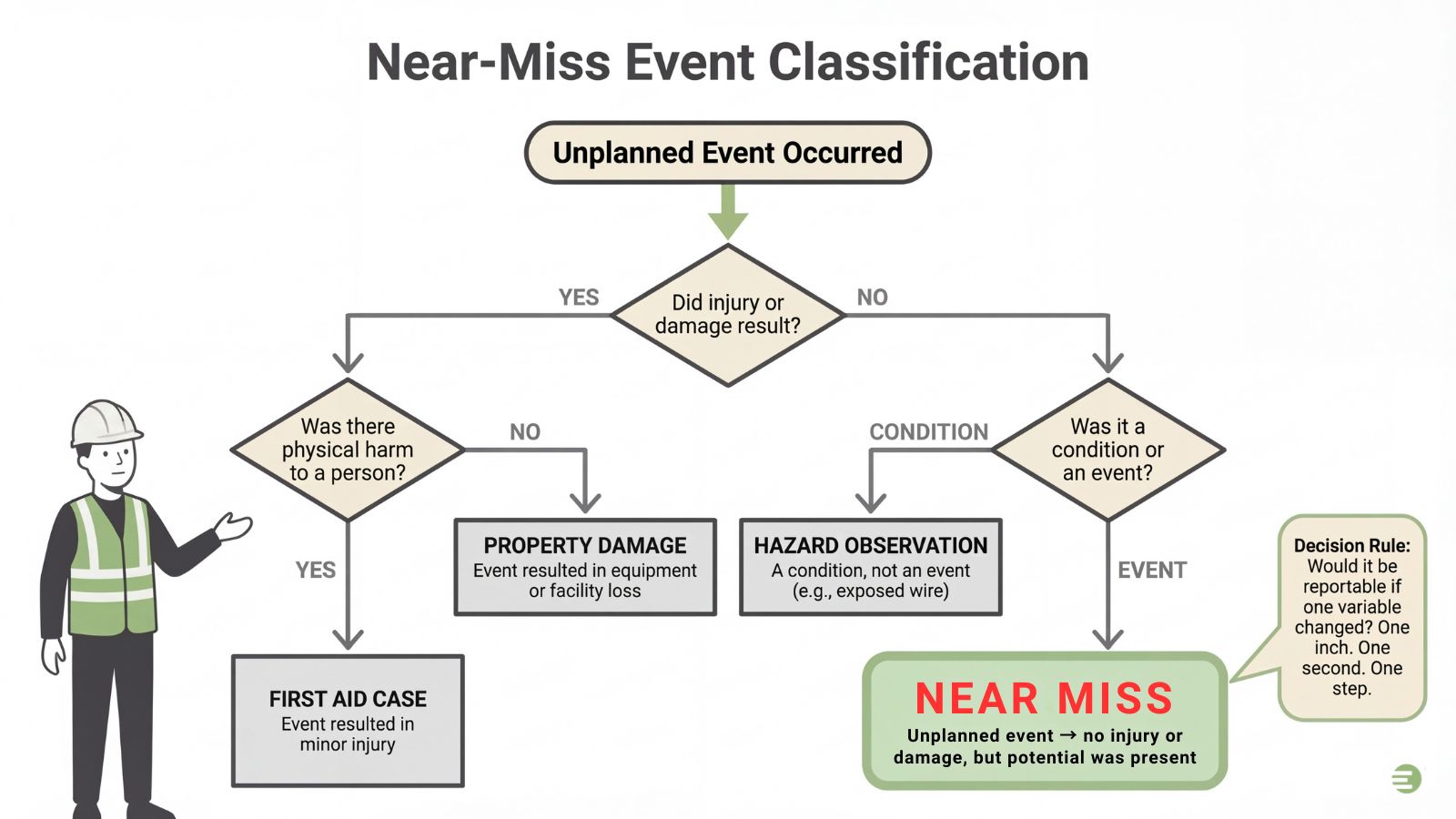
Near miss incidents are often treated as minor, routine, or even negligible events within industrial environments. However, this mindset is one of the most critical weaknesses in modern safety frameworks. A near miss is not just an isolated occurrence; it is an early warning signal that reveals gaps within systems, behaviors, or controls. When organizations fail to capture, analyze, and act on these signals, they unknowingly allow risks to mature into serious incidents.
In high-risk industries such as oil and gas, chemicals, pharmaceuticals, and manufacturing, near miss data plays a vital role in strengthening Process Safety Management systems. It provides real-world insights into operational vulnerabilities that may not be visible through audits, inspections, or compliance checklists alone. Ignoring this data creates a blind spot that can have operational, financial, and human consequences.
Understanding Near Miss Data Beyond Reporting
Most organizations have systems in place to report near misses, but reporting alone does not create value. The real benefit lies in analyzing patterns, identifying root causes, and implementing corrective actions. When near miss data is treated as a formality, it becomes a lost opportunity.
For example, repeated minor leaks in a pipeline may be logged multiple times without triggering deeper investigation. Over time, this normalized deviation can escalate into a major failure. Near miss data, when properly utilized, acts as a predictive tool rather than a reactive record.
The Hidden Financial Impact
One of the most underestimated consequences of ignoring near miss data is the financial burden it creates over time. While near misses themselves may not cause immediate losses, they are indicators of underlying inefficiencies and risks.
Unaddressed near misses can lead to equipment damage, production downtime, regulatory penalties, and increased insurance costs. More importantly, they contribute to major incidents that carry exponentially higher costs. Studies across industries have consistently shown that for every major accident, there are dozens of near misses that preceded it.
By neglecting these early warnings, organizations shift from low-cost preventive actions to high-cost corrective responses. This transition significantly impacts long-term profitability and operational sustainability.
Impact on Workplace Safety Culture
Ignoring near miss data also affects the behavioral aspect of safety within an organization. When employees observe that reported near misses do not lead to meaningful action, they gradually lose motivation to report them.
This creates a culture where hazards remain undocumented, and risks go unnoticed. Over time, employees may begin to accept unsafe conditions as normal, increasing the likelihood of incidents.
A strong safety culture depends on trust and responsiveness. When organizations actively analyze and act on near miss data, it reinforces the importance of reporting and encourages proactive participation from the workforce.
Operational Risks and Systemic Failures
Near misses often highlight weaknesses in procedures, training, equipment design, or communication. Ignoring them allows these weaknesses to persist and multiply across operations.
For instance, a near miss caused by improper valve operation may indicate inadequate training or unclear procedures. If left unaddressed, similar errors can occur in different parts of the plant, increasing the risk of a larger failure.
Systemic issues rarely emerge suddenly. They develop gradually through repeated small deviations. Near miss data provides the visibility needed to detect and correct these deviations before they escalate.
Regulatory and Compliance Consequences
Regulatory bodies increasingly emphasize proactive risk management rather than reactive compliance. Organizations are expected to demonstrate that they are identifying and mitigating risks before incidents occur.
Failure to utilize near miss data can be interpreted as a lack of due diligence. In the event of an accident, investigations often reveal that warning signs were present but ignored. This can lead to legal liabilities, penalties, and reputational damage.
Integrating near miss analysis into safety frameworks ensures that organizations meet both regulatory expectations and ethical responsibilities.
The Role of Training and Competency
Effective use of near miss data requires skilled analysis and informed decision-making. Teams must be capable of identifying root causes, understanding process hazards, and implementing appropriate controls.
This is where structured learning, such as HAZOP Training, becomes relevant. It equips professionals with the ability to systematically evaluate deviations, assess risks, and recommend practical solutions.
Without proper competency, near miss data may be misinterpreted or overlooked, reducing its effectiveness as a preventive tool.
Moving from Reactive to Predictive Safety
Organizations that successfully leverage near miss data shift their approach from reactive to predictive safety management. Instead of waiting for incidents to occur, they use data-driven insights to anticipate and prevent them.
This involves establishing clear reporting mechanisms, encouraging open communication, and using analytical tools to identify trends. It also requires leadership commitment to prioritize safety over short-term operational pressures.
Predictive safety not only reduces incidents but also improves efficiency, reliability, and overall system performance.
Conclusion
Ignoring near miss data is not a neutral decision; it is an active risk. Each unaddressed near miss represents a missed opportunity to prevent harm, reduce costs, and improve systems. Over time, these missed opportunities accumulate, increasing the likelihood of serious incidents.
Organizations that recognize the value of near miss data and integrate it into their safety strategies gain a significant advantage. They are better equipped to identify risks early, respond effectively, and build resilient operations.
In process industries where the margin for error is minimal, near miss data is not optional. It is an essential component of a robust and forward-looking safety system.
