The Complete Guide to Deformed Bar Steel: Benefits, Uses, and Applications in Construction
Author : Harding Steel | Published On : 30 Jun 2026
Construction projects rely on strong and durable materials to ensure buildings remain safe for decades. One of the most important materials used in reinforced concrete structures is deformed bar steel. Whether you're constructing a residential home, a commercial building, or major infrastructure, choosing the right reinforcement steel plays a vital role in the strength and stability of the structure.
Unlike smooth steel bars, deformed bar steel features raised ribs or patterns on its surface. These deformations improve the bond between the steel and concrete, making reinforced structures stronger and more resistant to movement and cracking. Because of these advantages, deformed bar steel has become the preferred choice for builders, engineers, and contractors across Australia and around the world.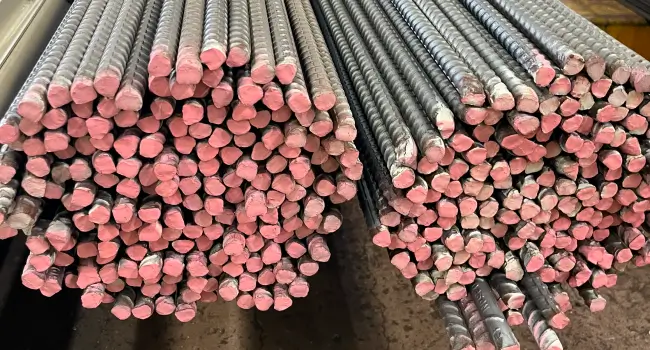
What Is Deformed Bar Steel?
Deformed bar steel, commonly known as reinforcing steel or rebar, is a steel bar designed with surface ridges that increase its grip within concrete. Concrete is excellent at handling compression but relatively weak under tension. Steel reinforcement helps overcome this limitation by providing the tensile strength needed to support heavy loads.
The raised patterns on deformed bar steel create a mechanical bond with concrete, preventing the bar from slipping when the structure is under pressure. This combination of steel and concrete creates a strong, durable foundation capable of supporting homes, bridges, warehouses, and high-rise buildings.
Why Deformed Bar Steel Is Important
Modern construction demands materials that can withstand changing weather conditions, heavy traffic, and long-term structural loads. Deformed bar steel provides the reinforcement necessary to keep concrete structures stable over time.
Because of its superior bonding ability, it helps distribute stress evenly throughout the concrete. This reduces the likelihood of cracks developing and improves the overall durability of the building. As a result, structures reinforced with deformed bar steel require less maintenance and perform better throughout their lifespan.
Key Benefits of Deformed Bar Steel
One of the biggest advantages of deformed bar steel is its exceptional strength. The textured surface allows concrete to grip the steel firmly, creating a stronger connection than plain steel bars. This enhanced bond increases the structural integrity of foundations, walls, columns, and beams.
Another major benefit is durability. High-quality deformed bar steel is designed to withstand heavy loads, vibrations, and environmental conditions without losing its structural performance. This makes it suitable for both residential and large-scale commercial projects.
Deformed bar steel also improves safety. Strong reinforcement reduces structural movement and minimises the risk of cracking or failure during everyday use. In areas prone to earthquakes or heavy winds, reinforced concrete provides greater stability and resilience.
In addition, using quality reinforcement can reduce long-term repair costs. Stronger structures experience fewer structural issues, helping property owners save money on maintenance over the years.
Common Applications in Construction
Deformed bar steel is used in almost every type of construction project because of its versatility and strength. It forms an essential part of reinforced concrete used in residential homes, apartment buildings, commercial offices, shopping centres, factories, schools, hospitals, bridges, tunnels, and public infrastructure.
Builders also rely on deformed bar steel for concrete slabs, retaining walls, driveways, foundations, footings, staircases, and columns. Its ability to strengthen concrete makes it suitable for projects of all sizes, from small home renovations to major infrastructure developments.
Choosing the Right Deformed Bar Steel
Selecting the right reinforcement steel depends on the specific requirements of your project. Factors such as load capacity, environmental conditions, building design, and engineering specifications all influence the type and grade of steel required.
Working with a reputable steel supplier ensures you receive products that meet Australian Standards and provide consistent quality. Certified steel products offer greater reliability, helping builders complete projects with confidence while meeting safety requirements.
It is also important to consider the supplier's reputation, product availability, and delivery capabilities. Reliable suppliers can help prevent costly project delays by ensuring materials arrive on time and meet the required specifications.
Proper Installation Matters
Even the highest-quality deformed bar steel must be installed correctly to achieve the best results. Proper placement, spacing, tying, and concrete cover all contribute to the overall performance of reinforced concrete.
Construction professionals follow engineering drawings carefully to ensure reinforcement is positioned correctly before concrete is poured. Incorrect installation can reduce structural strength and affect the long-term durability of the building.
Regular inspections during construction also help verify that reinforcement complies with project requirements and building regulations.
Conclusion
Deformed bar steel is one of the most important materials used in modern construction. Its unique surface design creates a strong bond with concrete, improving structural strength, durability, and safety. From residential homes to large commercial developments and public infrastructure, it plays a vital role in creating buildings that can withstand the demands of daily use and changing environmental conditions.
Choosing high-quality deformed bar steel and working with experienced construction professionals helps ensure every project is built to last. By understanding its benefits, applications, and importance, builders and property owners can make informed decisions that contribute to safer, stronger, and more durable structures for years to come.
