The Advantages of Using Ultrasonic Heat Meters in HVAC Systems
Author : HitokaCece HitokaCece | Published On : 12 Jun 2026
In the ever-evolving landscape of HVAC technology, the quest for efficiency and accuracy has led to the adoption of innovative solutions. One such solution that has gained significant traction is the ultrasonic heat meter. This advanced device not only enhances the measurement of heating consumption but also contributes to optimizing energy usage in HVAC systems. By exploring the advantages of using ultrasonic heat meters, we can understand why they are becoming a preferred choice for both residential and commercial applications.
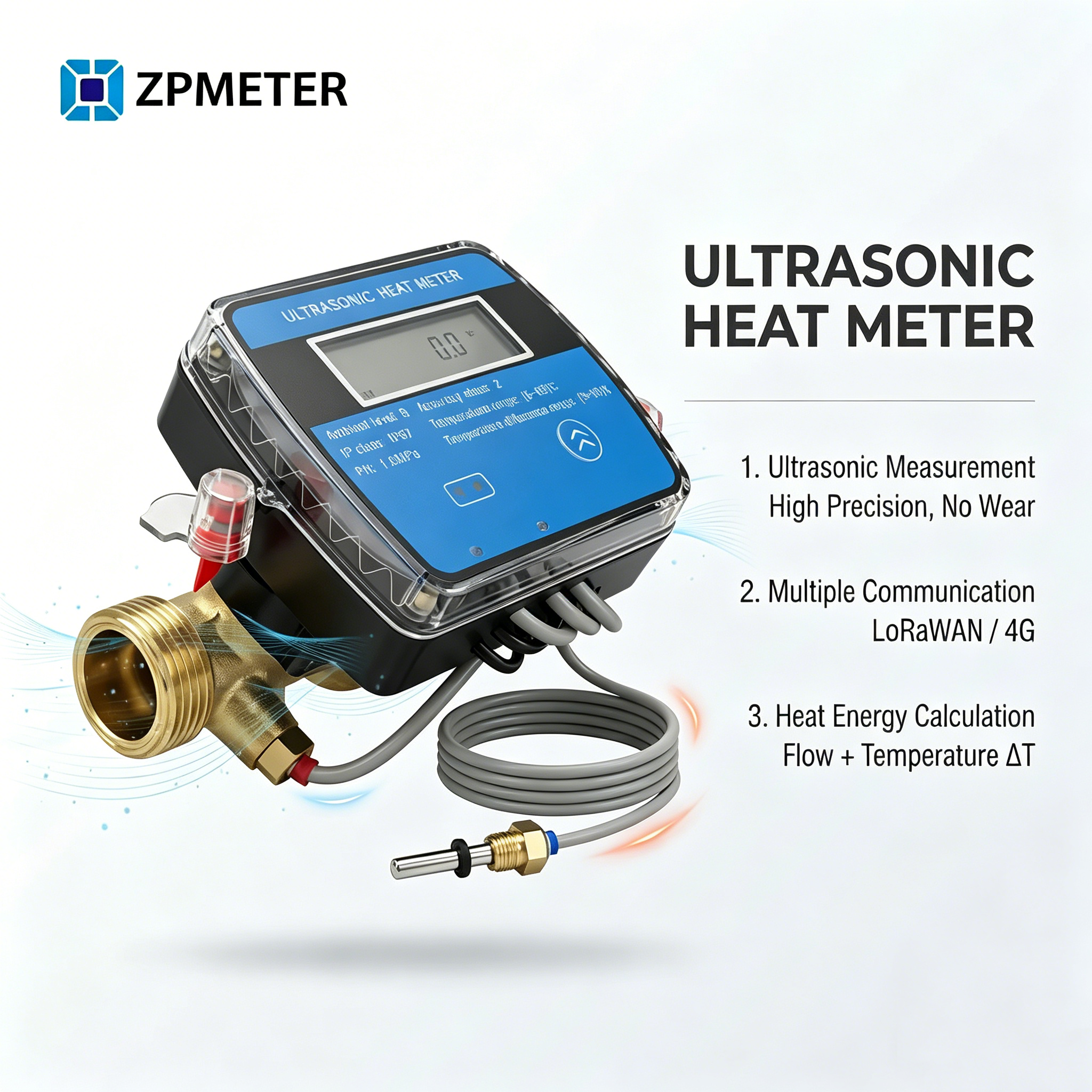
Enhanced Accuracy in Measurement
Ultrasonic heat meters utilize cutting-edge technology to provide precise measurements of heat consumption. Unlike traditional mechanical meters, which can be affected by wear and tear, ultrasonic meters operate on the principle of sound waves. By measuring the time it takes for ultrasonic signals to travel through the fluid, these meters deliver highly accurate readings. This level of precision is crucial for HVAC systems, where even minor discrepancies in measurement can lead to significant energy waste and increased costs.
Improved Energy Efficiency
One of the primary benefits of ultrasonic heat meters is their ability to enhance energy efficiency in HVAC systems. By providing real-time data on heat consumption, these meters enable facility managers to identify inefficiencies and implement corrective measures promptly. The ability to monitor energy usage closely allows for better management of heating systems, ultimately leading to reduced operational costs and a smaller carbon footprint. This is especially relevant in today’s environmentally conscious market, where energy efficiency is a top priority.
Remote Monitoring Capabilities
Ultrasonic heat meters often come equipped with advanced communication features that allow for remote monitoring and data collection. This capability is particularly beneficial for large commercial buildings or facilities with multiple HVAC systems. With remote access, building managers can continuously track energy consumption, receive alerts for any anomalies, and generate reports for analysis. This level of oversight not only streamlines operations but also empowers managers to make informed decisions based on accurate data.
Durability and Low Maintenance
Another significant advantage of ultrasonic heat meters is their durability and low maintenance requirements. Unlike mechanical meters that may require frequent calibration or replacement, ultrasonic meters are designed to withstand harsh conditions and operate effectively over long periods. This reliability translates to lower maintenance costs and less downtime for HVAC systems, allowing for smoother operations and enhanced overall performance.
Cost-Effectiveness in the Long Run
While the initial investment in ultrasonic heat meters may be higher than traditional options, the long-term savings they offer make them a cost-effective choice. The combination of improved accuracy, energy efficiency, and reduced maintenance costs results in substantial savings over time. Furthermore, the potential for enhanced energy management can lead to lower utility bills, making ultrasonic heat meters a wise investment for any HVAC system.
In conclusion, the advantages of using ultrasonic heat meters in HVAC systems are manifold. From enhanced accuracy and improved energy efficiency to remote monitoring capabilities and low maintenance, these devices represent a significant advancement in heat measurement technology. As businesses and homeowners alike strive for greater efficiency and sustainability, ultrasonic heat meters stand out as a vital tool in achieving these goals. Investing in ultrasonic heat meters not only benefits individual properties but also contributes to a broader commitment to energy conservation and environmental responsibility.
