Textile Waste Management: Low-Cost Steps to Get Started
Author : Ayesha Diaz | Published On : 07 Aug 2026
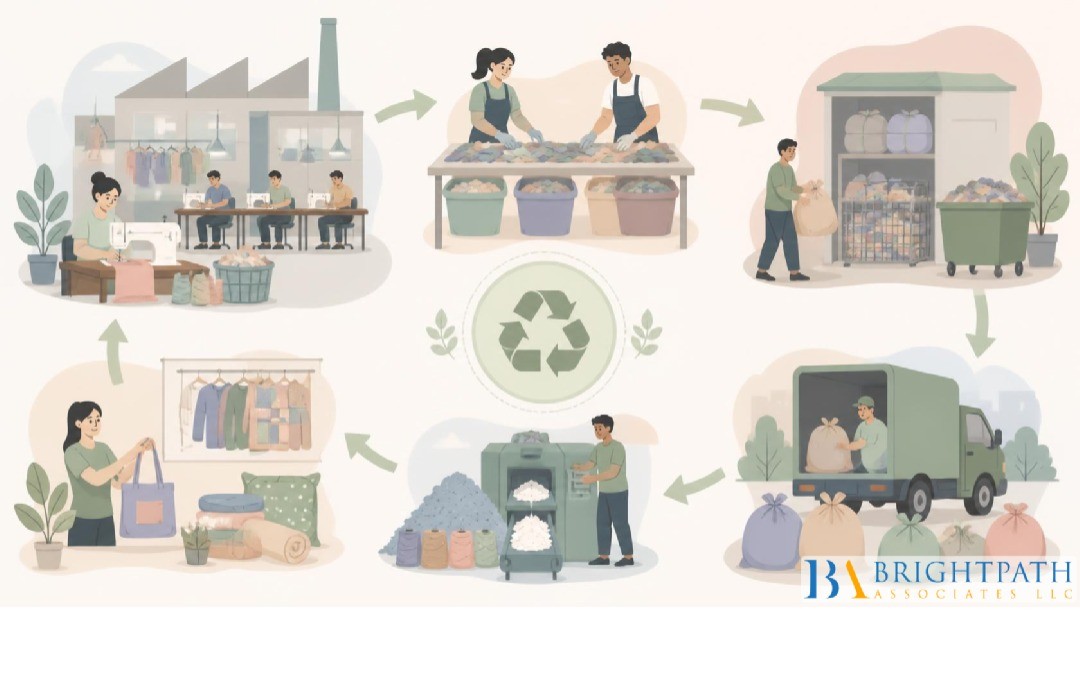
Sustainability has become one of the defining priorities for the global textile industry, but many small and mid-sized manufacturers still believe that improving waste management requires significant capital investment. While advanced recycling technologies and automated waste sorting systems certainly have their place, meaningful progress often begins with simple, low-cost initiatives that improve operational efficiency while reducing environmental impact. As customer expectations, regulatory requirements, and ESG commitments continue to shape the future of manufacturing, organizations that proactively manage textile waste are discovering that sustainability is not merely an environmental responsibility—it is also a business opportunity.
Textile waste is generated at nearly every stage of production, from fiber preparation and spinning to weaving, dyeing, cutting, sewing, and finishing. Fabric offcuts, defective materials, excess inventory, packaging waste, and damaged products can quickly accumulate if waste management practices are not carefully monitored. In many facilities, these materials are treated as unavoidable production losses when, in reality, they represent opportunities to reduce costs, improve resource utilization, and strengthen operational performance. According to industry research, adopting circular economy principles and improving textile recovery can significantly reduce landfill dependency while creating additional economic value from materials that were previously discarded.
The first step toward effective textile waste management is understanding where waste originates. Many organizations attempt to solve waste problems before identifying their primary sources. Conducting a simple waste audit allows manufacturers to measure how much material is lost during each production stage and determine whether those losses result from inefficient processes, machine performance, inventory management, or quality issues. Even a basic monthly review of production waste can reveal patterns that lead to measurable improvements without requiring expensive technology investments. Manufacturers that establish clear performance baselines are better equipped to set realistic waste reduction goals and monitor continuous improvement over time.
Another affordable yet highly effective strategy is improving waste segregation. When different fabric types, fibers, and production scraps are mixed together, recycling becomes more difficult and valuable materials often lose their recovery potential. By implementing clearly labeled collection stations and training employees to separate cotton, polyester, blended fabrics, and reusable offcuts, companies can significantly increase recycling opportunities while reducing disposal costs. Proper segregation also creates better visibility into material usage, enabling purchasing and production teams to make more informed decisions about inventory management and process optimization. These simple organizational improvements often generate immediate operational benefits without disrupting existing workflows.
Employee engagement plays an equally important role in successful waste reduction initiatives. Frontline workers interact with production processes every day and are often the first to recognize unnecessary material losses or inefficient practices. Encouraging employees to contribute ideas for reducing waste not only improves operational performance but also fosters a culture of continuous improvement. Small incentives, regular training sessions, and visible sustainability goals can motivate teams to identify practical solutions that management may otherwise overlook. When sustainability becomes part of the company culture rather than a standalone initiative, waste reduction efforts are more likely to produce lasting results.
Technology can certainly accelerate progress, but organizations do not need to implement complex automation systems on day one. Many manufacturers achieve meaningful improvements simply by digitizing production records, monitoring scrap rates more consistently, and using basic analytics to identify recurring inefficiencies. As operations mature, these foundational improvements make it easier to adopt advanced technologies such as automated cutting systems, digital pattern optimization, AI-driven quality control, and predictive maintenance. Companies that gradually build their digital capabilities often realize stronger long-term returns because their technology investments are supported by accurate operational data and clearly defined business objectives.
Waste management also extends beyond the production floor. Excess inventory, returned products, obsolete materials, and discontinued product lines frequently represent hidden sources of waste that impact profitability. Rather than disposing of these materials, many organizations are finding innovative ways to repurpose fabrics into secondary products, donate usable inventory, or partner with recycling organizations capable of recovering valuable fibers. Circular economy initiatives not only reduce landfill contributions but also strengthen brand reputation among customers who increasingly value environmentally responsible manufacturing practices. Industry experts continue to emphasize that keeping textile materials in circulation creates both environmental and economic benefits across the supply chain.
As sustainability expectations continue to rise, workforce capabilities are becoming just as important as operational processes. Modern textile manufacturers require professionals who understand lean manufacturing, quality assurance, environmental compliance, process improvement, supply chain optimization, and sustainability reporting. Recruiting individuals who can balance production efficiency with responsible resource management has become a strategic advantage for companies seeking long-term growth.
Perhaps the most important lesson for manufacturers is that effective textile waste management does not require perfection—it requires progress. Organizations often postpone sustainability initiatives because they believe they need comprehensive strategies, expensive equipment, or dedicated environmental departments before taking action. In reality, incremental improvements consistently outperform delayed perfection. Reducing fabric waste by a few percentage points, improving inventory visibility, increasing recycling rates, or enhancing employee awareness can collectively generate significant operational savings over time while preparing businesses for future regulatory and customer expectations.
Manufacturers interested in developing a structured yet affordable approach to sustainability can gain additional insights from BrightPath Associates' comprehensive guide on Textile Waste Management Low-Cost Steps, which explores practical strategies organizations can implement without major capital expenditures. The article demonstrates that meaningful progress begins with thoughtful planning, measurable objectives, and a commitment to continuous improvement rather than costly transformation projects.
The Textile industry is entering an era where operational efficiency and environmental responsibility are becoming inseparable. Customers, investors, and business partners increasingly evaluate manufacturers based not only on product quality but also on how responsibly those products are produced. Companies that embrace practical waste management strategies today will be better positioned to reduce costs, improve resource utilization, strengthen customer relationships, and remain competitive in an evolving marketplace. Sustainable manufacturing is no longer reserved for large enterprises with substantial budgets—it is achievable for organizations of every size willing to take the first step.
