Telematics for Proprietors: Why Data-Driven Maintenance Outperforms Schedule
Author : Lori Spatt | Published On : 02 Sep 2026
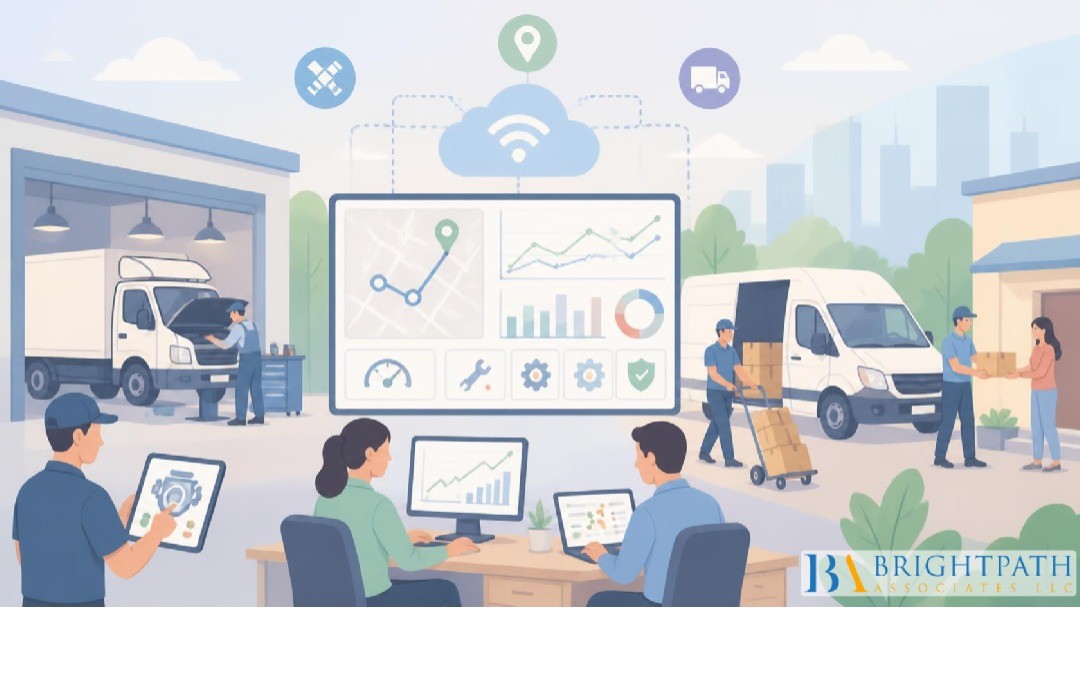
For many small and mid-sized delivery businesses, vehicle maintenance has traditionally followed a simple formula: inspect the vehicle at a predetermined mileage or time interval, replace components when the schedule says they should be replaced, and respond to unexpected failures when they occur.
That approach has served the transportation sector for decades. But today's delivery environment is considerably more demanding. Customers expect faster and more reliable deliveries. Fuel and labor costs continue to influence operating margins. Vehicles are spending more time on the road, while delivery businesses are expected to maximize fleet utilization without compromising safety or service quality.
These pressures are encouraging fleet owners to rethink an important question: Should maintenance decisions be based primarily on the calendar, or should they be based on what the vehicle is actually telling us? Telematics is helping make the second approach possible.
The Limitations of Schedule-Based Maintenance
Traditional preventive maintenance is valuable because it reduces the likelihood of completely neglecting vehicle care. However, fixed maintenance schedules assume that vehicles experience relatively similar operating conditions.
Two delivery vehicles with identical mileage may have completely different maintenance requirements. One might spend most of its time on highways carrying relatively light loads, while another may make hundreds of short urban deliveries, repeatedly stopping and starting throughout the day.
Weather, road conditions, payload, driving behavior, traffic congestion, idling, and route characteristics can all affect vehicle wear. A calendar-based maintenance program cannot always capture those differences.
As a result, companies may sometimes service components earlier than necessary, increasing maintenance expenditure. In other cases, deterioration may occur between scheduled inspections and remain unnoticed until it becomes a more serious problem. This is where data-driven maintenance offers a different model.
Turning Vehicles Into Sources of Operational Intelligence
Modern telematics systems can collect information from connected vehicles and provide fleet managers with a much more detailed view of vehicle performance. Depending on the system and vehicle, data can include engine performance, fuel consumption, mileage, diagnostic information, battery condition, location, driving behavior, and other operating indicators.
The important development is not simply collecting more data. The real value comes from converting that information into decisions.
For example, if a vehicle begins displaying signs associated with declining performance, fleet managers may be able to identify the issue before a major breakdown occurs. Maintenance can then be scheduled around operational requirements rather than being triggered by an unexpected failure.
Predictive Maintenance Can Reduce Unplanned Disruptions
For a delivery company, vehicle downtime is more than a repair expense. A vehicle that unexpectedly leaves the fleet can disrupt routes, create scheduling problems, increase overtime, require replacement vehicles, and potentially affect customer satisfaction.
The financial impact can therefore extend well beyond the workshop invoice. Predictive maintenance aims to identify potential problems before they become failures. Telematics data can provide early indications that a vehicle requires attention, allowing maintenance teams to intervene when the problem is still manageable.
This does not eliminate breakdowns entirely. No maintenance strategy can guarantee that a vehicle will never fail. Instead, it improves the organization's ability to anticipate problems and make better decisions about when and where maintenance should occur. For small and mid-sized operators, that predictability can be particularly valuable because they may have fewer spare vehicles available when something goes wrong.
The Technology Investment Requires Leadership
Telematics can provide extensive information, but technology alone does not guarantee better fleet performance. Leadership determines whether data actually influences decisions.
Fleet executives need to establish which metrics matter, how alerts should be prioritized, who is responsible for responding to them, and how maintenance information should be connected with financial and operational planning.
As delivery companies become increasingly data-driven, they need managers who can understand both traditional fleet operations and digital technologies. A maintenance leader may need greater analytical capability, while an operations executive may need to understand telematics dashboards and predictive indicators.
For growing companies operating in the Package and Freight Delivery Industry, this convergence of technology, fleet management, logistics, and leadership is becoming increasingly important.
From Preventive to Predictive Fleet Management
The evolution from reactive maintenance to preventive maintenance was an important step forward. The next transition is toward predictive and condition-based maintenance. Instead of asking, “Has this vehicle reached its scheduled service interval?” fleet managers can increasingly ask, “What does the vehicle's current condition tell us?”
The answer can influence maintenance scheduling, vehicle availability, parts purchasing, driver coaching, fleet replacement, and customer-service planning. For companies operating on tight margins, even incremental improvements can matter. Reducing avoidable downtime, improving maintenance timing, and extending the useful life of vehicles can contribute to stronger fleet economics.
The original BrightPath analysis, Why Data-Driven Maintenance Outperforms Schedule-Based, explores this shift in greater depth and examines why real-time vehicle data is becoming increasingly valuable to fleet owners.
The Competitive Advantage May Be Predictability
Delivery businesses cannot control every variable affecting their operations. Traffic changes, customer demand fluctuates, weather creates disruptions, and supply chains remain unpredictable. Fleet reliability is one area where companies can improve their level of control.
A vehicle that fails unexpectedly creates uncertainty. A vehicle whose condition is continuously monitored gives managers more information with which to plan. That difference may seem small, but across a fleet operating hundreds or thousands of delivery routes, better predictability can become a meaningful competitive advantage.
For small and mid-sized delivery companies, the opportunity is especially significant. They may not have the resources of national logistics giants, but technology can help them make smarter decisions with the assets they already own.
