Tax Incentives for Dairy Innovation: Guide for Entrepreneurial Proprietors
Author : Alyssa Miller | Published On : 03 Aug 2026
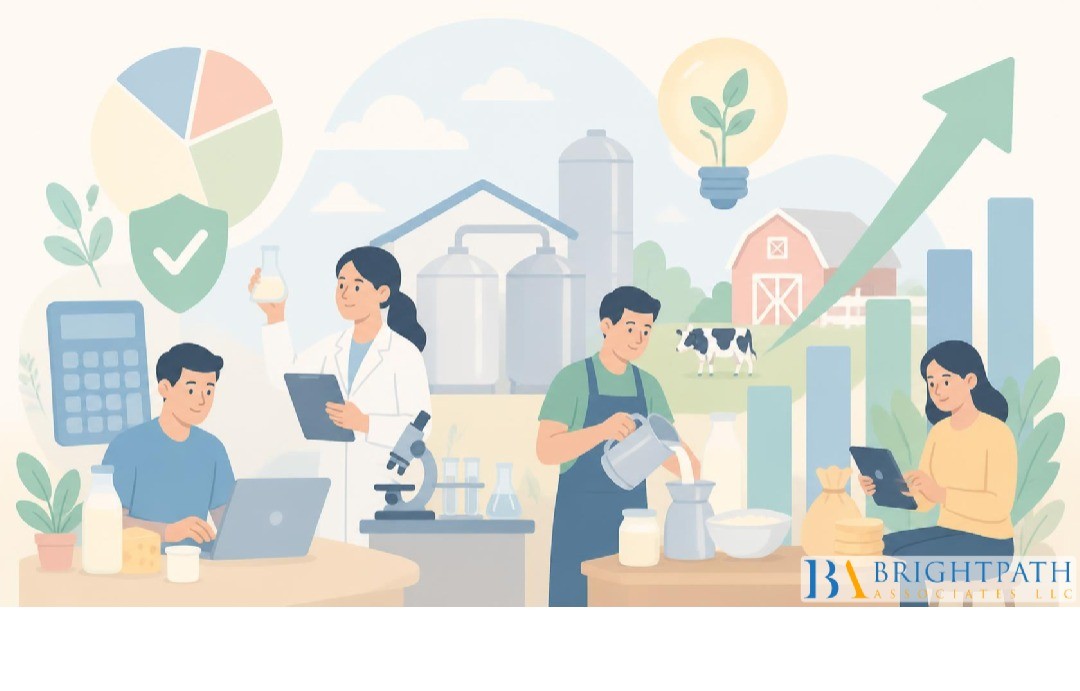
Innovation has become one of the strongest competitive advantages for dairy businesses operating in today's evolving marketplace. Consumer preferences continue to shift toward healthier products, sustainable production methods, and greater transparency throughout the food supply chain. At the same time, dairy processors face rising production costs, labor shortages, increasing energy expenses, and stricter regulatory expectations. These challenges require businesses to think beyond traditional operational improvements and invest in technologies that improve efficiency, product quality, and long-term profitability. One important factor that can influence these investment decisions is the availability of tax incentives designed to encourage innovation, capital improvements, sustainability initiatives, and business expansion.
For many entrepreneurial proprietors, tax incentives are often viewed simply as opportunities to reduce annual tax liabilities. However, their true value extends much further. Properly utilized incentives can improve cash flow, reduce the effective cost of modernization projects, encourage research and development, and accelerate investments that might otherwise be postponed. Instead of treating tax planning as a year-end activity, successful dairy businesses increasingly incorporate available incentives into their broader strategic planning process.
Innovation within the dairy industry takes many forms. Some organizations invest in automated processing equipment to improve production efficiency and product consistency. Others focus on energy-efficient refrigeration systems, advanced packaging technologies, digital quality control platforms, wastewater treatment improvements, or data-driven production management. Many companies are also investing in product research to develop value-added dairy products that address changing consumer preferences, including high-protein foods, lactose-free products, functional beverages, and specialty cheeses. Each of these initiatives has the potential to improve competitiveness while supporting sustainable business growth.
Modern production technology plays a central role in helping dairy businesses remain competitive. Automation reduces repetitive manual tasks while improving production accuracy and food safety. Robotics can assist with packaging, palletizing, inspection, and material handling, allowing employees to focus on higher-value responsibilities. Smart sensors monitor equipment performance, production temperatures, and processing conditions in real time, helping organizations identify operational issues before they affect product quality. Digital technologies also provide valuable production data that supports continuous improvement and better business decision-making.
Energy efficiency has become another major area of innovation. Dairy processing facilities consume significant amounts of electricity, water, steam, and refrigeration capacity throughout daily operations. Investments in high-efficiency motors, heat recovery systems, renewable energy solutions, improved insulation, LED lighting, and intelligent energy management systems can reduce operating costs while supporting environmental objectives. Lower energy consumption not only strengthens financial performance but also improves resilience against fluctuating utility prices and future sustainability requirements.
Research and product development remain equally important for organizations seeking long-term market growth. Consumer expectations continue evolving, creating opportunities for businesses that develop differentiated products with improved nutritional profiles, enhanced convenience, or sustainable packaging solutions. Companies that invest in research, testing, formulation improvements, and process optimization often strengthen their market position while creating new revenue opportunities. Innovation supports customer loyalty by enabling organizations to respond more quickly to changing market demand.
Digital transformation is also reshaping dairy operations. Cloud-based enterprise resource planning systems, production planning software, inventory management platforms, predictive maintenance technologies, and advanced analytics provide greater visibility across manufacturing operations. Managers can monitor production performance, equipment utilization, inventory levels, supplier activity, and customer demand through integrated dashboards that support faster and more informed decision-making. Better operational visibility enables organizations to improve efficiency while reducing waste and unnecessary costs.
Environmental sustainability has become another important driver of innovation. Dairy processors are increasingly implementing water conservation initiatives, waste reduction programs, recycling systems, and circular economy strategies that convert by-products into valuable commercial resources. These investments can improve operational efficiency while strengthening relationships with customers, regulators, and investors who increasingly prioritize environmental responsibility. Sustainable business practices often generate both financial and reputational benefits over the long term.
Successful innovation requires more than financial investment alone. Organizations must also build capable leadership teams that can guide change, implement new technologies, and continuously improve business processes. Engineers, operations managers, maintenance specialists, quality professionals, supply chain leaders, and finance executives all contribute to successful modernization efforts. Cross-functional collaboration ensures that technology investments deliver measurable operational improvements rather than simply introducing new equipment into existing processes.
Workforce development is equally critical. As manufacturing technologies become more sophisticated, dairy businesses require employees with expertise in automation, digital systems, quality assurance, food safety, maintenance, and process optimization. Investing in employee training allows organizations to maximize the value of new technologies while improving productivity, retention, and operational flexibility. Skilled professionals remain one of the most valuable assets supporting innovation across the Dairy industry.
Strategic planning also helps organizations prioritize investments that generate the greatest return. Rather than pursuing every available technology, successful businesses evaluate projects based on operational needs, customer expectations, financial performance, scalability, and long-term competitive advantage. Careful planning allows organizations to balance short-term improvements with broader transformation initiatives that support sustainable growth.
As innovation becomes a defining characteristic of successful dairy businesses, the competition for experienced leadership and technical talent continues to increase. Organizations require professionals capable of managing modernization projects, improving production efficiency, leading digital transformation, maintaining regulatory compliance, and developing future-ready business strategies. Recruiting individuals with expertise across engineering, operations, food safety, sustainability, finance, and executive leadership has become increasingly important for companies pursuing long-term growth.
BrightPath Associates partners with small and mid-sized organizations throughout the dairy sector to identify exceptional professionals who help businesses improve operational performance, implement innovation initiatives, and build resilient leadership teams. Business leaders interested in additional perspectives on innovation, investment planning, and emerging trends within the dairy sector can also explore Tax Incentives for Dairy Innovation as another industry resource.
The future of the dairy industry will belong to organizations that combine innovation with sound financial planning, operational excellence, and strong leadership. Businesses that evaluate investment opportunities strategically, improve efficiency through technology, strengthen sustainability initiatives, and build highly skilled teams will be better positioned to navigate changing market conditions and capitalize on emerging opportunities. While tax incentives may help reduce the cost of modernization, lasting success ultimately comes from thoughtful planning, continuous improvement, and a commitment to innovation that delivers value for customers, employees, and stakeholders alike.
