Tankless Hot Water Heating vs Traditional Water Heaters
Author : David Thompson | Published On : 03 Jun 2026
As energy prices continue to fluctuate across the UK, many homeowners, landlords, facilities managers and business owners are asking the same question: is it time to replace a traditional storage water heater with a tankless hot water heating system?
The answer depends on your property, usage requirements and long-term goals. Understanding the differences between these systems can help you make a smarter investment that delivers both performance and savings.
How Traditional Water Heaters Work
Traditional water heaters use a storage tank that continuously heats and stores water until it is needed. The tank maintains a set temperature throughout the day, even when nobody is using hot water.
While this technology has been widely used for decades, it comes with some disadvantages. Heat is constantly lost through the tank walls, requiring the system to reheat water repeatedly. This process consumes energy even during periods of low demand.
For larger households and commercial premises with fluctuating usage patterns, this can result in unnecessary energy costs throughout the year.
What Is Tankless Hot Water Heating?
A tankless hot water heating system works differently. Rather than storing hot water, it heats water instantly as it flows through the unit.
When a tap, shower or appliance requires hot water, the system activates and heats the water on demand. Once the demand stops, the heater switches off.
This approach eliminates standby heat losses and ensures hot water is available when required without storing large volumes of heated water.
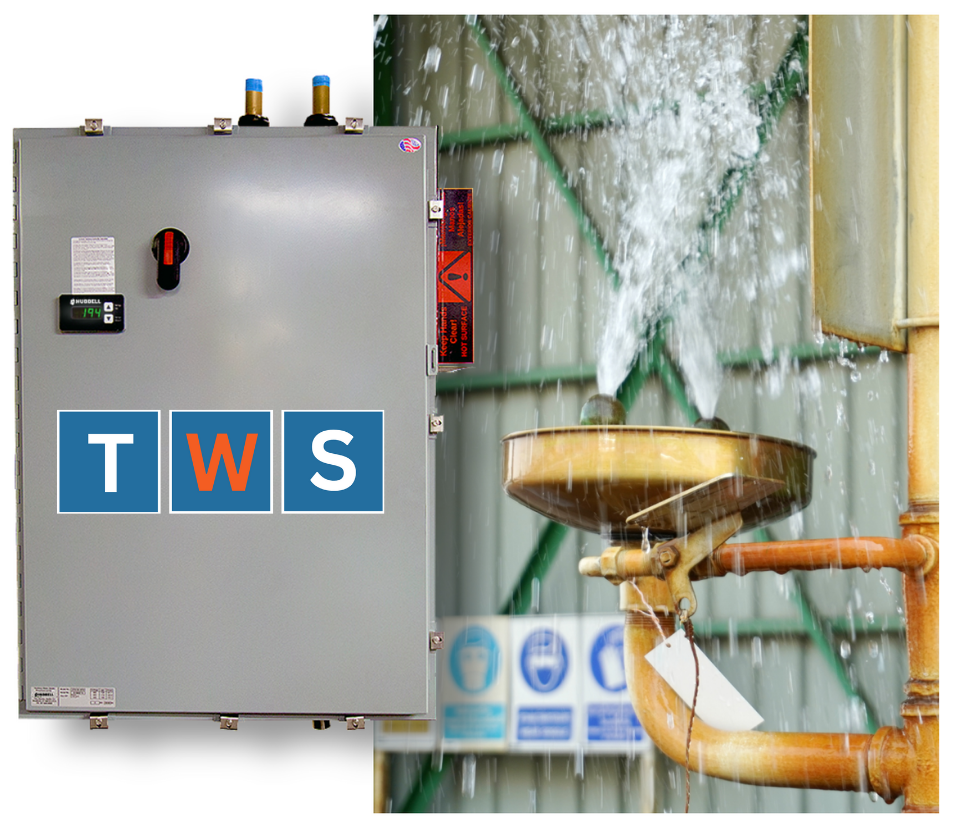
Tankless Water Solutions, based in Cheshire, specialises in supplying advanced tankless heating systems for residential, commercial, industrial, marine, catering and specialist applications. The company is supported by technical expertise developed through more than 20 years in the heating and renewable energy sectors. Their range includes solutions for homes, salons, food service operations, emergency shower systems, industrial facilities and marine environments.
Comparing Running Costs
One of the biggest reasons property owners switch to tankless systems is energy efficiency.
Traditional tanks continually consume energy to keep stored water hot. Even when a property is empty, energy is still being used.
By contrast, a hot water heater tankless system only operates when hot water is needed. This reduces wasted energy and can lower running costs over time.
For example:
- A rental property with intermittent occupancy can avoid paying to keep water heated around the clock.
- A salon with multiple wash stations can benefit from continuous hot water without maintaining a large storage tank.
- Hotels and catering businesses can reduce energy waste during quieter periods.
While actual savings depend on usage patterns, many property owners find the reduction in standby energy consumption attractive, particularly as utility costs remain a major concern.
Installation Costs: The Initial Investment
It is true that tankless systems often have a higher upfront purchase and installation cost than conventional storage heaters.
However, focusing only on the purchase price can be misleading.
When evaluating lifetime costs, it is important to consider:
- Reduced energy consumption
- Lower maintenance requirements
- Longer operational lifespan
- Reduced risk of tank leaks
- Space-saving benefits
For many commercial and residential users, the long-term savings help offset the higher initial investment.
Space-Saving Advantages
Space is valuable, particularly in modern homes, apartment developments and commercial environments.
Traditional water heaters require a sizeable storage tank, often occupying cupboards, utility rooms or plant areas.
A hot water heater tankless unit is significantly more compact and can often be wall-mounted. This makes it especially useful for:
- New build developments
- Flats and apartments
- Hair and beauty salons
- Restaurants and cafés
- Marine applications
- Industrial facilities with limited plant room space
The smaller footprint provides greater flexibility during property design and refurbishment projects.
Hot Water Performance
One common frustration with traditional tanks is running out of hot water during periods of high demand.
Once the stored hot water has been used, occupants must wait for the tank to reheat.
Tankless systems provide hot water on demand, which helps maintain a consistent supply when correctly sized for the application.
This is particularly beneficial for:
- Busy family homes
- Hotels and guest accommodation
- Catering facilities
- Sports and leisure centres
- Multi-occupancy rental properties
The ability to access hot water continuously can improve comfort and operational efficiency.
Lifespan and Maintenance
Another important factor is longevity.
Storage tank systems are vulnerable to corrosion, sediment build-up and tank deterioration over time.
Tankless systems generally contain fewer components exposed to standing water, reducing some of these issues.
Many property owners find that modern tankless units deliver a longer service life when properly maintained.
For landlords and facilities managers responsible for multiple properties, this can translate into fewer replacement costs and less disruption.
Environmental Benefits
Sustainability is becoming increasingly important across the UK property sector.
By reducing unnecessary energy consumption, tankless hot water heating systems can help lower overall carbon emissions.
This aligns with growing efforts by homeowners, developers and commercial property operators to improve energy efficiency and meet environmental targets.
For businesses seeking greener operations, upgrading hot water systems can be a practical step towards reducing energy waste.
Which System Is Right for You?
A traditional water heater may still suit some properties with low installation budgets and predictable usage patterns.
However, if you're looking for:
- Better energy efficiency
- Long-term cost savings
- Continuous hot water
- Reduced space requirements
- Modern heating technology
Then a tankless hot water heating system is often the stronger long-term investment.
This is especially true for commercial properties, landlords, hotels, salons, catering businesses, industrial facilities and homeowners seeking greater efficiency from their heating infrastructure.
Frequently Asked Questions
Is tankless hot water heating suitable for UK homes?
Yes. Modern electric tankless systems are increasingly being installed across UK homes, flats and new-build developments due to their efficiency and space-saving design.
How much money can a tankless water heater save?
Savings vary depending on property size, hot water usage and existing equipment. Properties with inconsistent hot water demand often see the greatest benefit from reduced standby energy losses.
Can a tankless system provide enough hot water for multiple users?
Yes, provided the unit is correctly sized. Professional system selection is important to ensure the heater can meet peak demand requirements.
Are tankless water heaters good for commercial properties?
Absolutely. Hotels, restaurants, salons, industrial facilities and commercial buildings often benefit from continuous hot water availability and lower operating costs.
How long does a tankless water heater last?
A well-maintained tankless system can often outlast a conventional storage water heater, making it an attractive long-term investment for both residential and commercial users.
Author Bio
David Thompson is a heating technology writer specialising in energy-efficient water heating solutions across the UK. Working closely with industry manufacturers, installers and technical engineers, he produces practical guidance for homeowners, landlords, facilities managers and commercial property owners seeking reliable and cost-effective hot water systems. His research focuses on tankless heating technology, commercial water heating applications and sustainable energy solutions.
