Talent War: Incentivizing Skilled Labor in Automation-Heavy World
Author : Alex Turner | Published On : 18 Sep 2026
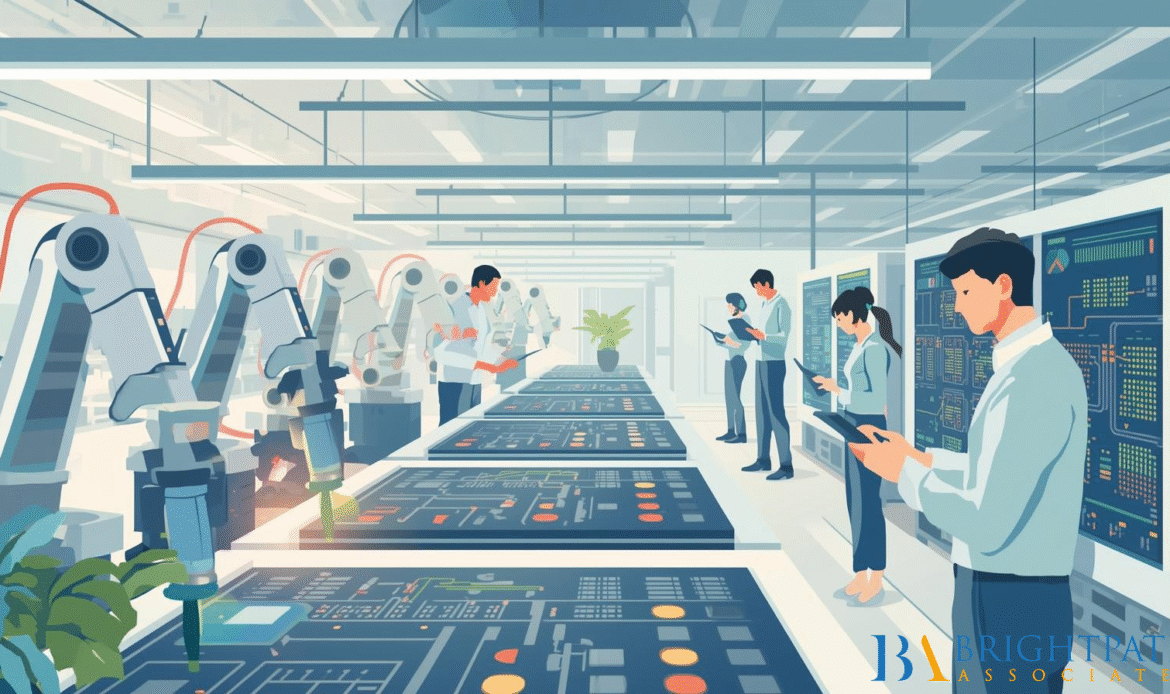
Agriculture is entering an era in which technology is transforming nearly every stage of food production. Autonomous machinery, artificial intelligence, sensors, robotics, drones, data analytics, and connected farm equipment are changing how farms operate and how agricultural decisions are made. Yet as automation expands, one challenge remains remarkably human: finding people with the skills required to operate, manage, and improve these technologies.
For small and mid-sized farming businesses, this creates a new kind of talent war. The competition is no longer only for experienced farmhands, agronomists, mechanics, or operations managers. Agricultural companies increasingly need professionals who can combine traditional farming knowledge with technological, analytical, and business capabilities.
The question for agricultural leaders is becoming more strategic: how can farms attract skilled professionals when technology is simultaneously changing the nature of agricultural work?
Automation Is Changing Agricultural Jobs, Not Eliminating Talent Needs
Automation is often associated with reducing labor requirements. In farming, however, its more significant effect may be the transformation of existing roles. This means agricultural technology can increase the value of certain employees rather than simply eliminating jobs.
A modern agricultural operation may use automated tractors, GPS-guided equipment, robotic systems, remote sensors, automated irrigation, satellite imagery, and predictive analytics. These systems can reduce repetitive work and improve operational consistency, but they still require people to configure equipment, interpret information, troubleshoot problems, maintain systems, and make decisions when conditions fall outside normal parameters.
A farm equipment technician, for example, may increasingly need knowledge of electronics, software, sensors, and automated controls. An operations manager may need to understand data generated by multiple production systems. An agronomist may use digital information to make more precise recommendations about soil, water, nutrients, and crop health.
The New Agricultural Skill Set
The traditional boundaries between agriculture and technology are becoming less distinct.
Precision agriculture demonstrates this transformation particularly well. GPS-based equipment, variable-rate applications, remote sensing, yield monitoring, and data analytics allow producers to make decisions at a much more detailed level.
Digital farming extends this capability by connecting field information, machinery, weather conditions, production records, and financial information. Farm management software can provide a centralized view of operational performance and help managers coordinate increasingly complex activities.
The emerging agricultural professional may therefore need a combination of agronomy, technology, data interpretation, equipment knowledge, and management skills. For smaller farms, finding candidates with this combination can be particularly difficult because they often need employees capable of handling multiple responsibilities.
Why Salary Alone May Not Win the Talent Competition
Competitive compensation remains essential, but agricultural employers increasingly need to think beyond salary when designing an employee value proposition. A farm that communicates this purpose effectively can differentiate itself from employers competing for the same technical talent.
A technology-oriented professional can potentially find opportunities in agriculture, manufacturing, logistics, energy, technology, and other industries. Farming businesses therefore need to communicate why their organization offers an attractive long-term career.
Modern agriculture is addressing some of the world's most significant challenges, including food security, resource efficiency, climate resilience, soil health, and agricultural sustainability. Employees who want their technical expertise to contribute to meaningful outcomes may find these challenges highly motivating.
Creating a Stronger Talent Proposition for the Modern Farm
Winning skilled employees requires agricultural companies to think about the entire employee experience. The organizations that communicate these advantages effectively can strengthen their ability to attract professionals who want both career growth and meaningful work.
Competitive compensation matters, but so do career development, modern technology, leadership access, workplace culture, meaningful responsibilities, training, and opportunities to participate in innovation.
A smaller agricultural business may not be able to match the resources of a large corporation, but it can offer employees greater responsibility, closer relationships with leadership, and the ability to see the direct results of their work.
The Future of Farming Will Be Human and Digital
The future of farming will not be defined by automation alone. It will be defined by how effectively people and technology work together. That is why the agricultural talent war deserves the same strategic attention as technology investment.
Agricultural technology can improve efficiency. Precision agriculture can improve resource allocation. Digital farming can improve visibility. Farm management software can strengthen operational coordination. Sustainable farming can improve long-term resilience. But skilled professionals are needed to connect all these capabilities into a coherent business strategy.
For small and mid-sized agricultural businesses, the next competitive advantage may not come from owning the most advanced equipment. It may come from attracting and retaining the people capable of turning that equipment, data, and technology into better decisions.
BrightPath Associates supports organizations across the Farming Industry with executive and specialized recruitment aligned with evolving agricultural workforce requirements. For a deeper discussion of the changing relationship between automation and skilled agricultural labor, explore BrightPath Associates' original analysis, Talent War Incentivizing Skilled Labor in an Automation-Heavy World.
