Talent Retention in High-Security Sectors: Post-Remote Hybrid Blueprint
Author : Alyssa Miller | Published On : 29 Jul 2026
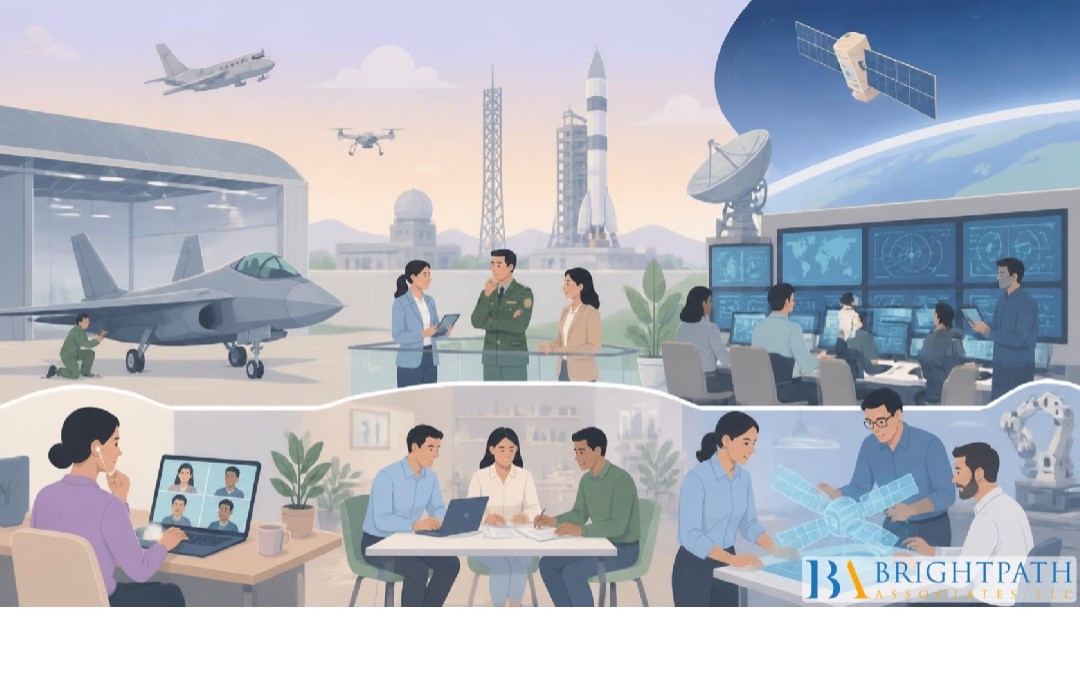
The Defense and Space industry has always operated under unique workforce challenges. Unlike many commercial sectors, organizations working in high-security environments require professionals with specialized technical expertise, security clearances, regulatory knowledge, and deep mission understanding. Retaining these highly skilled employees has become increasingly critical as competition for engineering, cybersecurity, advanced manufacturing, artificial intelligence, and aerospace talent continues to intensify. Industry leaders increasingly identify workforce shortages and competition from commercial technology sectors as major barriers to growth.
The shift toward remote and hybrid work models has further transformed employee expectations. While defense organizations must maintain strict security protocols and operational requirements, the post-remote era has created new questions around flexibility, workplace culture, employee engagement, and long-term retention. Companies that successfully balance security requirements with modern workforce expectations will be better positioned to attract and retain the professionals needed to drive innovation.
For small and mid-sized defense and space companies, talent retention is not simply an HR challenge—it is a strategic business priority. Losing experienced engineers, programme managers, cybersecurity specialists, or technical leaders can result in project delays, knowledge gaps, increased recruitment costs, and reduced competitiveness. Developing a comprehensive retention strategy allows organizations to protect institutional knowledge while creating an environment where employees remain committed to long-term growth.
Understanding the New Workforce Expectations in Defense and Space
The workforce landscape has changed significantly over the last few years. Professionals entering and advancing within the defense sector increasingly evaluate employers based on more than compensation. Career development opportunities, workplace flexibility, meaningful projects, leadership quality, and organisational culture now influence employee decisions.
The Defense and Space industry faces additional pressure because many of its most valuable employees possess skills that are highly transferable to commercial technology sectors. Software engineers, cybersecurity experts, robotics specialists, artificial intelligence professionals, and systems engineers can often choose from opportunities across multiple industries. Research indicates that aerospace and defense organizations continue to face significant talent attraction and retention challenges, particularly in technical and engineering roles.
Leveraging Technology to Improve Workforce Experience
Digital transformation is not only changing defense products and operations—it is also changing how organizations manage their workforce. Modern collaboration platforms, analytics tools, artificial intelligence applications, and digital learning systems can improve employee experiences while maintaining security standards.
Companies can use workforce analytics to identify retention risks, understand employee engagement trends, and develop targeted interventions. Emerging AI-driven talent management tools are increasingly being explored to support workforce planning, engagement, and retention strategies.
Technology should support human decision-making rather than replace leadership involvement. The most successful organizations combine digital tools with strong management practices.
The Importance of Strategic Talent Acquisition
Retention begins before an employee joins an organization. Hiring professionals who align with company values, mission objectives, and workplace expectations improves long-term retention outcomes.
Defense and Space companies require specialized talent who understand technical requirements, security environments, and industry regulations. Partnering with experienced recruitment specialists can help organizations identify candidates who are not only technically qualified but also culturally aligned.
Companies seeking specialized professionals within the Defense and Space sector can explore BrightPath Associates’ expertise through the Defense and Space Industry. BrightPath Associates helps small and mid-sized organizations connect with exceptional professionals capable of supporting innovation, operational excellence, and sustainable growth.
Preparing for the Future of Defense Workforce Management
The future of Defense and Space workforce strategy will require organizations to balance three critical priorities: security, innovation, and employee expectations. Companies that rely solely on traditional workforce models may struggle to compete for highly skilled professionals.
A modern retention strategy requires flexible thinking, strong leadership, continuous learning opportunities, and a workplace culture built around trust and purpose. For additional insights into retaining specialized talent in high-security environments, explore BrightPath Associates’ article Talent Retention in High-Security Sectors.
As defense and space organizations continue navigating technological advancement and workforce competition, those that prioritize employee engagement and strategic talent management will be better positioned for long-term success.
