Sustainable Finance in Textiles: Investing in Greener Future
Author : Ayesha Diaz | Published On : 06 May 2026
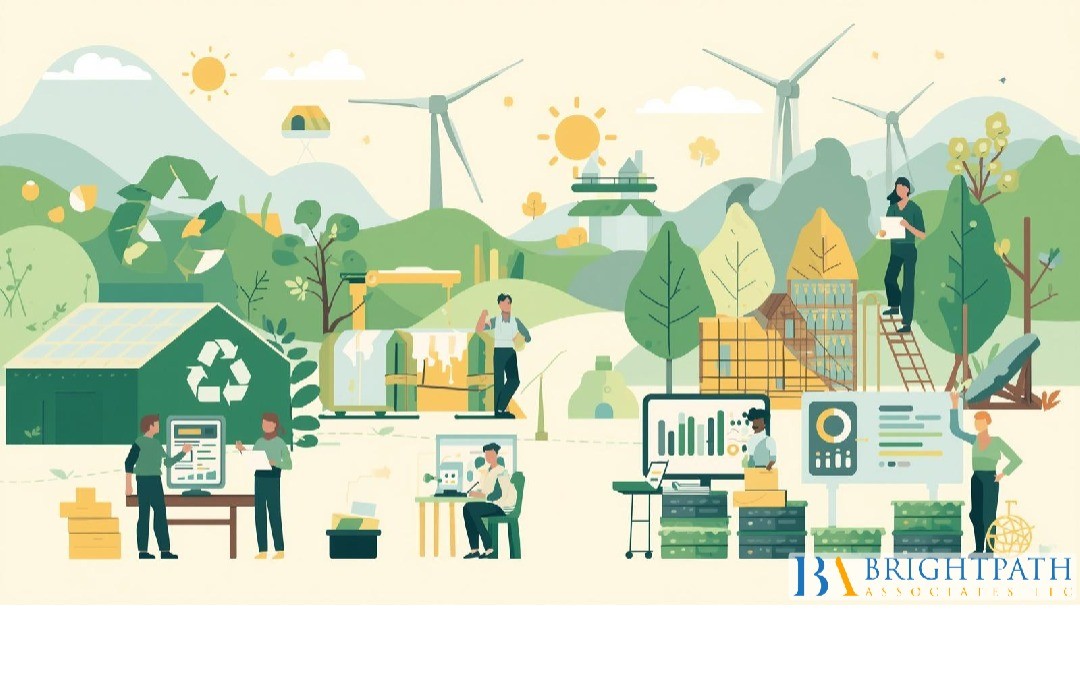
The textile industry is undergoing a profound transformation, where sustainability is no longer a peripheral concern but a central pillar of business strategy. For small to mid-sized textile companies across the United States, the shift toward sustainable finance is redefining how growth, investment, and long-term value are approached. As environmental pressures intensify and global stakeholders demand greater accountability, financial decisions are increasingly being evaluated through the lens of sustainability. This evolution is not just about compliance—it is about unlocking new opportunities for innovation, resilience, and competitive advantage in a rapidly changing marketplace.
At its core, sustainable finance in textiles refers to the integration of environmental, social, and governance (ESG) factors into financial decision-making. This includes investments in eco-friendly technologies, sustainable raw materials, circular production models, and ethical supply chains. The textile sector, traditionally known for its resource-intensive processes, is now under significant pressure to reduce its environmental footprint. From water-intensive dyeing processes to high energy consumption and waste generation, the industry faces mounting scrutiny from regulators, investors, and consumers alike. As a result, companies are increasingly turning to sustainable finance mechanisms such as green bonds, sustainability-linked loans, and ESG-focused investment strategies to support their transition.
One of the primary drivers behind this shift is the growing demand for sustainable products and transparent supply chains. Consumers today are more informed and conscious about the environmental and social impact of their purchasing decisions. This shift in consumer behavior is forcing textile companies to rethink their production processes and invest in sustainable alternatives. Innovations such as water recycling, eco-friendly materials, and digital manufacturing technologies are becoming essential components of modern textile operations. These advancements not only reduce environmental impact but also enhance operational efficiency and brand reputation, making sustainability a win-win proposition for businesses.
In parallel, investors are increasingly prioritizing sustainability as a key criterion for funding decisions. Financial institutions and investment firms are recognizing that companies with strong ESG performance are better positioned to manage risks and deliver long-term returns. Sustainable finance is therefore becoming a critical enabler of growth, providing textile companies with access to capital that supports environmentally responsible initiatives. Governments and regulatory bodies are also playing a significant role by introducing policies and incentives that encourage sustainable practices. For example, initiatives such as green credit systems and unified financing platforms are helping textile businesses access funding for eco-friendly operations more easily.
Another important aspect of sustainable finance is the transition toward a circular economy. The traditional linear model of “produce, use, and dispose” is being replaced by circular approaches that emphasize reuse, recycling, and resource efficiency. This shift is particularly important in the textile industry, where waste generation is a major concern. With global textile waste projected to reach alarming levels in the coming years, companies are under pressure to adopt sustainable practices that minimize environmental impact. Circular strategies such as textile recycling, upcycling, and closed-loop production systems are gaining traction, supported by financial models that incentivize sustainability and innovation.
However, the journey toward sustainable finance is not without challenges. Many textile companies, particularly small to mid-sized enterprises, face barriers such as high initial investment costs, limited access to sustainable financing options, and a lack of expertise in implementing ESG strategies. Additionally, the complexity of global supply chains makes it difficult to ensure transparency and compliance across all stages of production. Despite these challenges, the long-term benefits of sustainable finance far outweigh the short-term hurdles. Companies that invest in sustainability are better equipped to navigate regulatory changes, mitigate risks, and build stronger relationships with stakeholders.
This is where leadership and strategic talent play a crucial role. Successfully integrating sustainable finance into business operations requires visionary leaders who can align financial strategies with sustainability goals. These leaders must possess a deep understanding of both industry dynamics and emerging trends, enabling them to make informed decisions that drive growth and innovation. For small to mid-sized textile companies, attracting and retaining such talent can be a significant challenge, particularly in a competitive hiring landscape.
Partnering with a specialized executive recruitment firm can provide a strategic advantage in this context. Organizations like BrightPath Associates LLC help businesses identify and secure leadership talent that is equipped to navigate the complexities of sustainable finance and drive organizational transformation. By leveraging industry expertise and extensive networks, such firms enable companies to build leadership teams that align with their strategic objectives and support long-term success.
For companies seeking deeper insights into industry trends, talent strategies, and sustainable growth opportunities, exploring the dedicated textile industry page can provide valuable guidance. This resource highlights the evolving dynamics of the textile industry and underscores the importance of aligning financial strategies with sustainability goals.
Looking ahead, the future of the textile industry will be defined by its ability to embrace sustainability as a core business principle. Sustainable finance will continue to play a pivotal role in enabling this transition, providing the capital and frameworks needed to support innovation and growth. As technologies evolve and consumer expectations continue to rise, companies that adopt a proactive approach to sustainability will be better positioned to thrive in an increasingly competitive market. The integration of digital technologies, advanced materials, and sustainable practices will create new opportunities for value creation, while also addressing some of the most pressing environmental challenges facing the industry.
For a more comprehensive understanding of the strategies and insights shaping sustainable finance in textiles, you can explore the full blog here: Sustainable Finance in Textiles. The detailed analysis provides actionable guidance for leaders looking to navigate this complex and rapidly evolving landscape.
Ultimately, the question for textile industry leaders is not whether sustainability should be a priority, but how effectively it can be integrated into financial and operational strategies. Are you leveraging sustainable finance to drive innovation and growth? Do you have the leadership in place to execute your sustainability vision? Are your investments aligned with the expectations of modern consumers and investors? These are the questions that will define success in the textile industry’s next chapter. If you are ready to position your organization for a greener, more profitable future, now is the time to act.
