Sustainable Farming: Leading the Charge for Environmental Stewardship
Author : Alex Turner | Published On : 02 Apr 2026
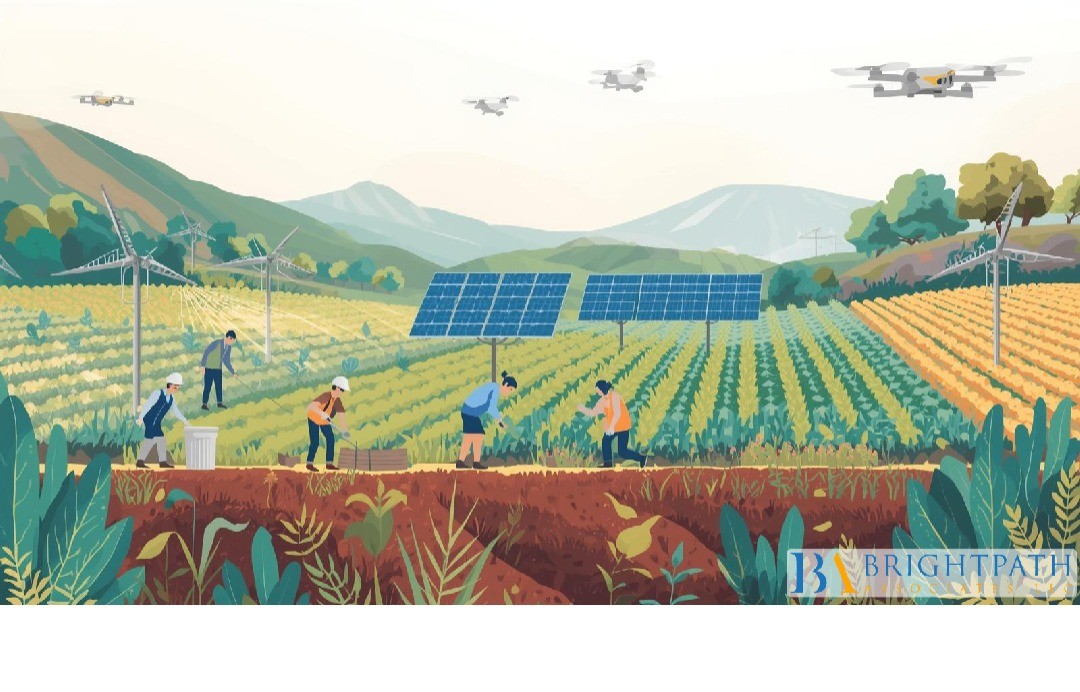
Sustainable farming is no longer a niche concept—it has become a strategic necessity for the future of agriculture. As environmental concerns, climate change, and resource scarcity continue to reshape the global landscape, small to mid-sized farming enterprises across the United States are under increasing pressure to evolve. For C-suite leaders and agribusiness owners, the question is no longer whether to adopt sustainable practices, but how quickly and effectively they can integrate them into their operations. Sustainable farming represents a powerful intersection of environmental stewardship, economic viability, and long-term resilience, making it one of the most critical strategic priorities in modern agriculture.
At its core, sustainable farming is about creating a balance between productivity and environmental responsibility. It focuses on preserving natural resources such as soil, water, and biodiversity while ensuring consistent agricultural output. According to the United States Environmental Protection Agency, sustainability in agriculture is essential for maintaining the conditions that allow both humans and nature to thrive together over time. This principle is particularly important as the agricultural sector faces increasing demand for food production alongside the need to reduce environmental impact. Sustainable farming practices aim to protect ecosystems, improve soil health, and ensure that future generations have access to the same resources that farmers rely on today.
One of the most significant benefits of sustainable farming is its impact on soil health. Healthy soil is the foundation of agricultural productivity, and practices such as crop rotation, reduced tillage, and organic fertilization play a crucial role in maintaining its fertility. Research highlights that sustainable farming practices are essential for preserving soil integrity and ensuring long-term food security. By improving soil structure and nutrient content, these practices not only enhance crop yields but also reduce the need for synthetic inputs, leading to cost savings and improved environmental outcomes.
Water management is another critical aspect of sustainable agriculture. Efficient irrigation systems, water conservation techniques, and improved soil moisture retention help farmers reduce water usage while maintaining productivity. In regions where water scarcity is a growing concern, these practices are not just beneficial—they are essential for survival. Sustainable farming also reduces pollution by minimizing the use of chemical fertilizers and pesticides, which can contaminate water sources and harm ecosystems. This shift toward environmentally friendly inputs is helping to create a more balanced and sustainable agricultural system.
Despite its clear advantages, the adoption of sustainable farming practices is not without challenges. While awareness is high—nearly 90% of farmers are familiar with sustainable methods—full-scale adoption remains limited due to financial, operational, and technological barriers. Many farmers are hesitant to invest in new practices without clear evidence of return on investment, particularly when initial costs can be higher. Additionally, smaller farms often face resource constraints that make it difficult to implement large-scale changes. These challenges highlight the need for strategic planning, financial incentives, and access to the right expertise to support the transition.
Technology is playing a transformative role in accelerating the adoption of sustainable farming. Innovations such as precision agriculture, data analytics, and smart irrigation systems are enabling farmers to optimize resource use and improve efficiency. These technologies allow for real-time monitoring of soil conditions, weather patterns, and crop health, helping farmers make informed decisions that enhance productivity while minimizing environmental impact. The integration of technology into agriculture is not just improving efficiency—it is redefining the way farming is conducted, making sustainability more achievable and scalable.
Another emerging trend in sustainable agriculture is the concept of regenerative farming. This approach goes beyond sustainability by actively restoring and enhancing ecosystems. Practices such as cover cropping, agroforestry, and integrated livestock management are helping to rebuild soil health, increase biodiversity, and improve resilience to climate change. Studies have shown that diversified farming systems can significantly enhance profitability, biodiversity, and ecosystem services over time, demonstrating that environmental stewardship and economic success are not mutually exclusive. This shift toward regenerative practices reflects a broader recognition that agriculture must play a proactive role in addressing environmental challenges.
However, sustainable farming is not just about environmental benefits—it is also a powerful driver of economic growth and competitive advantage. Consumers are increasingly demanding sustainably produced food, creating new market opportunities for farmers who adopt eco-friendly practices. Companies that align their operations with sustainability trends are better positioned to meet these demands and differentiate themselves in the market. Furthermore, sustainable practices often lead to long-term cost savings through reduced input usage, improved efficiency, and enhanced resilience to external shocks.
For organizations operating in the farming industry, the role of talent cannot be overlooked. Implementing sustainable practices requires skilled professionals who understand both agricultural operations and emerging technologies. From agronomists and sustainability experts to operations leaders and supply chain strategists, the right talent is essential for driving innovation and ensuring successful implementation. Farming Industry provides valuable insights into how companies can align their workforce strategies with the evolving demands of the agricultural sector, ensuring they have the expertise needed to lead in a rapidly changing environment.
Ultimately, the transition to sustainable farming is not a one-time initiative—it is an ongoing journey that requires continuous improvement and adaptation. Companies must be willing to invest in research, embrace new technologies, and collaborate with industry partners to achieve their sustainability goals. For a deeper understanding of how sustainable farming is shaping the future of agriculture and what strategies can be implemented today, Charge for Environmental Stewardship offers a comprehensive perspective on the opportunities and challenges within this space.
As the agricultural landscape continues to evolve, leaders must ask themselves a critical question: are they prepared to lead the shift toward sustainability, or will they struggle to keep pace with industry change? Sustainable farming is not just about compliance or environmental responsibility—it is about building a resilient, future-ready business that can thrive in an increasingly complex world. The organizations that take action today will not only contribute to environmental stewardship but will also position themselves as leaders in the next era of agriculture.
The path forward is clear. By embracing sustainable practices, investing in the right talent, and aligning strategies with long-term environmental and economic goals, farming enterprises can transform challenges into opportunities. Now is the time to act, innovate, and lead.
